

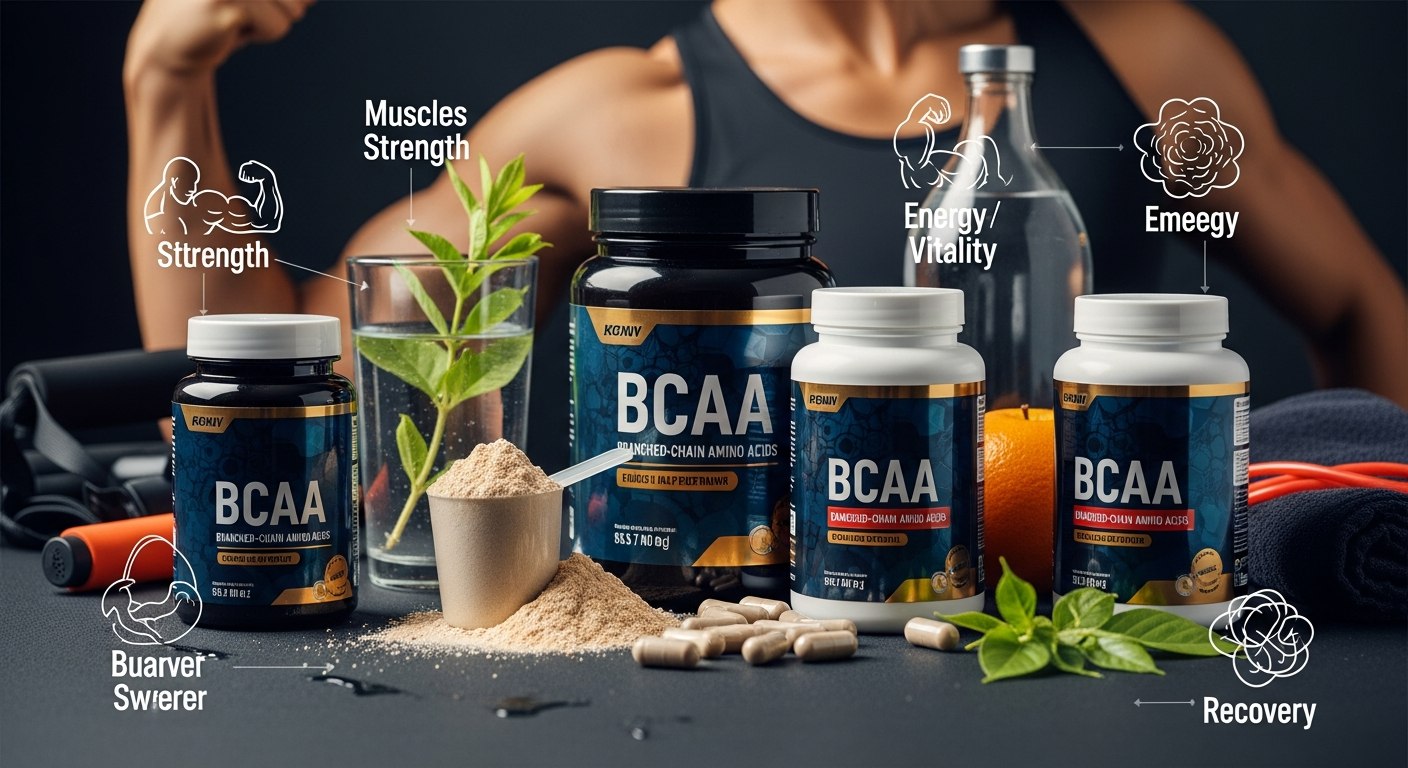
BCAAs, or branched chain amino acids, are a unique set of essential amino acids: leucine, isoleucine, and valine that are all 3 critical for muscle recovery and muscle gain. BCAAs are indispensable to athletes, fitness enthusiasts, and countless individuals seeking improvement in their performance. The benefits of BCAAs don't stop at muscle recovery; they also help with energy, reduce soreness, and help with fat loss.
BCAAs can be utilized and metabolized actively within your muscles, which is why they can have profound benefits when consumed prior to, or during, your workout. When BCAAs are consumed prior to working out, they can help reduce fatigue and enhance your endurance during exercise. When BCAAs are consumed during your workout, they can help prevent muscle breakdown and provide greater recovery times, so you are ready to train again. Plus, for those who are looking to improve body composition and lose body fat while preserving lean muscle mass, the benefits of BCAAs will help lose fat with less risk of loss of muscle. Whether you are looking to improve your performance in your workouts, or your recovery time, BCAAs can profoundly impact your health and wellness journey.
What Are BCAAs? An Essential Introduction
BCAAs, which are known as Branched-Chain Amino Acids, are a collection of three essential amino acids that include leucine, isoleucine, and valine. Often referred to as branched-chain amino acids, they are called this because of the slightly unusual structure of each amino acid which includes a branch in their molecular chain. Unlike most amino acids which are metabolized in the liver, BCAAs are metabolized in the muscles. This is why they are such a popular supplement in the fitness community among athletes and those engaged in exercise.
Essential amino acids are those that the body cannot synthesize on its own, meaning we must obtain them from the diet or supplements. BCAAs are very important for various functions within the body, especially muscle repair and muscle growth, which is why many individuals supplement with BCAAs to enhance their fitness journey. BCAAs can provide benefit to those trying to build muscle, enhance endurance, and even recovery from intense workouts.
What Are Branched-Chain Amino Acids?
Leucine, Isoleucine, and Valine, also known as branched-chain amino acids (BCAAs), are three specific kinds of amino acids. These amino acids collaborate and work together to create muscle and repair muscle tissue and assist with overall performance during and after exercise. They are also known for their role in reducing muscle breakdown during exercise, which is important for an athlete or fitness enthusiast to maintain their lean muscle mass.
Leucine: Leucine is the most powerful of the BCAAs and is mainly responsible for stimulating muscle protein synthesis (the process the body builds muscle tissue).
Isoleucine: Isoleucine helps increase endurance and supports blood sugar levels during exercise. It is an important BCAA for muscle recovery and combating extreme muscle breakdown.
Valine: Valine improves mental focus and endurance during exercise, and is a wonderful addition to your workout.

Leucine, Isoleucine, and Valine Explained
The three BCAAs—Leucine, Isoleucine, and Valine—are essential for muscle health and energy production. Let's take a closer look at each:
Leucine: Leucine is often viewed as the most significant BCAA in muscle building because it activates the mTOR pathway (mechanistic target of rapamycin) which plays a crucial role in the regulation of muscle protein synthesis. Leucine is the main driver behind recovery and muscle growth after a tough workout.
Isoleucine: Isoleucine is regarded primarily as being beneficial for increasing your endurance while performing physical activity. In addition, Isoleucine has been shown to help stabilize your blood sugar levels to promote energy and endurance, especially during prolonged exercise. It is also beneficial for muscle repair and, along with other BCAAs, reduces muscle damage associated with strenuous physical activity.
Valine: Valine is supportive of creating energy and recovery. When your body uses up blood sugar to fuel exercise, valine helps to stabilize your blood sugar thereby slowing fatigue while also promoting mental acuity which can be useful during periods of high intensity training.
Essential Amino Acids for Muscle Growth
Branched chain amino acids (BCAAs) such as leucine, isoleucine, and valine, play an important role in muscle growth because they directly stimulate protein synthesis. Protein synthesis is the mechanism by which muscle fibers are repaired and built back up after exercise. Among the BCAAs, leucine has the most significant effect on activating protein synthesis and therefore is important for athletes and bodybuilders hoping to gain muscle mass.
BCAAs can also help protect against muscle breakdown by stimulating a positive nitrogen balance in the body, providing an important anabolic (muscle-developing) environment. A positive nitrogen balance is especially important for someone actively exercising or experiencing caloric restriction. Additionally, BCAA supplementation has benefits on delayed onset muscle soreness (DOMS) and enhanced recovery time between workouts, both of which allow an athlete to train harder and more consistently.
Adding BCAAs into your training regimen ensures that your body is getting the most important nutrient factor in order to grow, and repair, and recover, while mitigating muscle loss during fat loss, caloric weight loss, or following a rigorous exercise regimen.

The Science Behind the Benefits of BCAAs
Branched-Chain Amino Acids (BCAAs) consist of three essential amino acids: leucine, isoleucine, and valine. BCAAs are very important for muscle metabolism, muscle recovery, and athletic performance. BCAAs provide advantages beyond muscle building; they are important for energy production while exercising, preventing muscle breakdown, and supporting recovery in general.
BCAAs are unique because they are mostly taken through muscle metabolism, not liver metabolism. This ability of BCAAs provides immediate advantages whether you are exercising or just recovering. Because of their unique ability to influence muscle protein synthesis, BCAAs are considered a cornerstone of muscle growth and recovery. BCAAs can keep a positive nitrogen balance in the body, a major factor in muscle recovery for serious athletes and in helping to reduce the chances of muscle loss.
How BCAAs Support Muscle Protein Synthesis
One of the primary functions of BCAAs is to stimulate muscle protein synthesis (MPS), an important process involved in muscle repair and growth. Leucine is the most crucial of the BCAAs in this physiological process. It activates the mTOR (mechanistic target of rapamycin) pathway, responsible for initiating protein synthesis in muscle tissue. This is why leucine is often considered the most important of the three BCAAs for muscle development.
BCAAs are used as a pre-workout or intra-workout supplement because they will signal the body to repair and build muscle tissue immediately after consuming, thus facilitating muscle recovery. This mechanism is why BCAAs are especially beneficial for athletes or bodybuilders, as they allow for muscle growth in a post-exercise anabolic environment after a workout. While the benefits of BCAAs for muscle protein synthesis are well documented in many studies, the overall benefits are likely intuitive, as BCAAs help the body repair or grow muscle tissue
BCAA Metabolism and Its Impact on Muscle Recovery

BCAAs, or branched-chain amino acids, have a unique characteristic that sets them apart from other amino acids: they are metabolized in the muscle, enabling a prompt effect on muscle stress during and after exercise. This metabolism process aids muscle recovery by positively influencing and decreasing catabolism via muscle breakdown while also increasing protein synthesis.
The body's metabolic response to intense exercise includes breakdown of muscle tissue to feed the energy demands. Because they are utilized directly in the muscle, BCAAs will make an immediate supply of energy to your muscles while preventing fatigue and conserving muscle tissue. Faster recovery is facilitated by BCAAs being beneficial to energy availability and preserving lean body mass when considering protein synthesis.
The metabolism of BCAAs in the muscle will allow for replenishment and muscle repair quickly in the post workout window. BCAAs may have a greater effect on those interested in faster recovery and improving performance in subsequent workouts.
Why BCAAs Prevent Muscle Breakdown During Workouts
BCAAs are extremely useful in mitigating muscle breakdown during workouts; this is referred to as exercise-related muscle catabolism. Muscle tissue can be broken down by the body for energy during exercise, especially during prolonged exercise or high-intensity-training. By taking BCAAs before or throughout a workout, you are providing your muscles with a continuous supply of these important amino acids and decreasing the need for your body to resort to its own muscle tissue for fuel.
The amino acid, leucine, has a critical role in this process. Leucine is effective in regulating muscle protein breakdown by inhibiting the action of enzymes that lead to muscle breakdown. Inhibiting the effects of these enzymes can promote the maintenance of lean muscle mass in extremely taxing conditions. Furthermore, BCAAs encourage the combination of insulin production and muscle growth and recovery by decreasing the chances of muscle loss as a metabolic outcome.

If you incorporate BCAAs in your fitness program it could help reduce the risk of muscle breakdown even faster, and initiate recovery as soon as you consume it. This is one of the reasons BCAA have been recommended for individuals engaged in strenuous exercise sessions, or for individuals participating in prolonged physical activity, to make sure..
Key Benefits of BCAAs for Muscle Growth and Recovery
Branched-Chain Amino Acids (BCAAs) are some of the most effective supplements to help you gain muscle and recover. These three essential amino acids (leucine, isoleucine and valine) are all vital in muscle building and muscle repair. By supplementing with BCAAs, an individual can gain many of the various benefits that are vital to anyone who participates in high-intensity physical activity or strength training.
Stimulating Muscle Protein Synthesis:
Leucine, the most effective of the three BCAAs, stimulates muscle protein synthesis, an important process in muscle growth of the muscles and repairing the muscles after exercise. Muscle protein synthesis leads to increased production of new muscle and decreased breakdown of muscle, resulting in better muscle mass and strength gain.
Prevention of Muscle Catabolism:
One of the main benefits of BCAAs is that they help prevent muscle breakdown (catabolism). If you partake in exercise that is high intensity, your body will eventually enter a catabolic state, where it will breakdown muscle tissue in order to use it as energy. BCAAs bypass this process by being metabolized directly in the muscles to prevent muscle breakdown by the body because they provide readily available fuel for your muscles to maintain their integrity.
Support Faster Recovery:
The benefits of BCAAs with faster recovery is apparent by the way they decrease the time it takes to be able to participate intense exercise again.
How BCAAs Aid in Muscle Recovery After Exercise
After a strenuous workout, the muscle fibers endure micro-tears and it is vital to have protein synthesis for muscle repair. BCAAs enhance protein synthesis, which supports the process of reconstructing broken-down muscle fibers from exercise. Here are three ways that BCAAs promote muscle recovery more rapidly:

Faster Healing with BCAAs
BCAAs influence the recovery process directly to help speed the body's own healing process for muscle tissues. When a person completes an intense workout, the muscle fibers may have sustained some micro-tear to the tissue that needs to heal. Supplementing with BCAAs provides the muscle tissue with some necessary amino acids to assist with the healing process.
Here is how BCAAs assist with the body healing faster:
Limiting Muscle Damage:
Numerous studies show that supplementing BCAAs prior to exercise, or after is beneficial in lowering muscle damage. This can help reduce next day soreness and will aid in curing damaged muscle tissue.
Reduced Recovery Time:
Because BCAAs have been shown to reduce muscle damage, their use shortens recovery time, allowing the athlete to return to training sooner with less muscle soreness and fatigue. BCAA is especially helpful for athletes that train with high volume or athletes who are doing strenuous resistance training.
Lowering Inflammation
BCAAs benefits are illustrated by the anti-inflammatory aspect of its effects, decreasing the inflammatory response and swelling around tissue that was just injured, which enables faster healing response. Less inflammation will also decrease soreness of damaged muscle tissue allowing the athlete to safely resume regular activities.
Reduced Muscle Soreness (DOMS) with BCAAs
Delayed Onset Muscle Soreness (DOMS) is a common occurrence for individuals participating in strenuous levels of fitness activity or exercise. DOMS typically appears within the 12-48 hours following exercise. It leads to stiffness in the muscles, discomfort, and muscle fatigue. BCAAs are important for alleviating DOMS, in turn allowing athletes to recuperate more quickly and return to regular training. Here's how:
Decreasing Muscle Fatigue:
BCAAs help to limit the onset of muscle fatigue when encountering exercise as they rebuild muscle energy stores and limit the metabolic breakdown of protein. This leads to a decrease in soreness the following days and allows for a quicker return to regular physical activity.
Reducing Muscle Inflammation:
As BCAAs comprise anti-inflammatory effects, it also helps reduce muscle swelling, one of the primary contributors to soreness. The reduction of muscle swelling leads to recovery and less soreness.
Boosting Endurance:
BCAA supplement benefits will reduce the accumulation of lactic acid and other chemicals that induce fatigue in skeletal muscle and allow for a longer and more strenuous workout, leading to less likelihood of DOMS and increased athleticism capacity over time.

BCAAs and Exercise Performance: Do They Really Boost Endurance?
BCAAs (Branched-Chain Amino Acids)—leucine, isoleucine, and valine—are crucial nutrients for serious strength athletes, strength athletes, and any person looking to improve their exercise performance. Strength athletes and fitness enthusiasts often utilize BCAA supplements to increase endurance, mitigate fatigue, and improve overall exercise performance. But, are they really a benefit in endurance? Let's take a more in-depth look at what BCAAs do during intense exercise that is meaningful.
Enhancing Workout Endurance with BCAAs
One of the main advantages of BCAAs is their effectiveness at improving endurance during prolonged or strenuous exercise. When we exercise, we use stored carbohydrates or glycogen for energy. When we deplete our glycogen stores, the body begins using muscle protein to fuel exercise. BCAAs can help delay the breakdown of muscle while providing another energy source, delaying muscle fatigue, and allowing for longer exercise sessions. For these reasons, BCAAs are an essential component of limiting muscle breakdown and helping with the maintenance of muscle mass during intense and long-duration training sessions.
BCAAs absorb rapidly into muscles, where they are then metabolized in order for them to be utilized to create energy. Their role as an energy source allows for you to delay fatigue and allow athletes to remain in peak performance for longer periods of time. Research has shown that BCAA supplementation increases endurance during aerobic exercises (like long-distance running, cycling, etc.) as well as anaerobic exercises like weightlifting and HIIT.

Reducing Fatigue and Improving Performance
One of the most prominent effects of taking BCAA supplements is reducing fatigue during exercise. While fatigue can have many causes, one of the main culprits is the buildup of serotonin in the brain. This neurotransmitter can stimulate feelings of fatigue. During vigorous exercise, BCAAs can lower the levels of serotonin in the body and, thus, lower perceived levels of fatigue so it is easier to work through the rest of the workout without feeling quite as tired.
Moreover, BCAAs minimize the rate of muscle breakdown during exercise, which is crucial for overall strength and performance. When you take BCAAs, the body doesn't go into a catabolic (muscle breakdown) state as easily, allowing muscle mass to be spared and feeding energy to the working muscle.
Athletes regularly report feeling less tired after taking a BCAA supplement prior to or during exercise, and there is some evidence that BCAA supplementation can improve overall performance, especially when training intensifies. BCAAs also allow athletes and exercisers to keep their muscles fed while minimizing fatigue, thus allowing people to perform at a higher level for a longer duration.
How BCAAs Help Athletes Train Harder
For athletes involved in endurance sport or high-intensity training, BCAAs can be a complete game changer. During intense exercise, we are putting the body under oxidative stress and causing muscle damage. It is during this time, as exercise is happening, that BCAA intake becomes critical for minimizing muscle damage due to their role in muscle repair and recovery. In practical terms, BCAAs give athletes the ability to train harder, more often and with a lower risk of injury and overtraining.
Additionally, BCAAs are helpful in enhancing mental acuity and delaying feelings of fatigue while athletes are attempting to remain focused and engaged in their performance. When properly hydrated and fed, athletes may maximize their ability to perform boundary-pushing workouts, while reducing the chance they will fail due to a loss of strength or stamina.

While BCAAs are beneficial to strength athletes or bodybuilders, they are also important for endurance athletes, such as marathon runners or cyclists. The positive effect BCAAs can have on stamina, endurance, and strength allows athletes to push themselves and maximize their training efforts.
Weight Loss Support: How BCAAs Can Help You Shed Fat While Preserving Muscle
BCAAs (Branched-Chain Amino Acids) are not only an essential part of muscle recovery, but BCAAs also provide several important benefits related to fat loss. When you're trying to lose weight, it's common for your body to breakdown muscle tissue during a caloric deficit, but getting BCAAs can help you maintain lean muscle as you lose fat. BCAAs work by keeping muscle tissue intact in caloric deficit situations and during heavy training sessions.
Here's a run down of all the BCAA benefits for weight loss:
Maintaining Lean Muscle Mass During a Caloric Deficit
When you restrict your caloric intake your body uses stored energy, both fat and muscle tissue. The BCAA supplement benefits can help prevent breakdown of muscle by delivering essential amino acids to maintain muscle mass. Leucine from BCAAs is critical for protein synthesis and helps in maintaining muscle mass despite losing fat.
Reducing Muscle Catabolism
During a weight loss phase, muscle catabolism (muscle tissue breakdown) can happen when losing muscle mass. BCAAs help to counteract this process by giving your body the building blocks to prevent muscle breakdown even when dieting.
BCAAs and Fat Loss Benefits
BCAAs provide several advantages when it comes to fat loss. Their primary function in fat loss is to ensure that you lose fat without losing muscle. Here's how they work:

Maintaining Lean Muscle During a Calorie Deficit
A Key challenge a person encounters while losing weight is making sure muscle mass is maintained while the body is burning fat. In a calorie deficit, the body may begin to break down muscle tissue to meet the energy demands of the individual. This is where the benefits of BCAA supplements come into play. Providing the amino acids necessary for muscle protein synthesis will result in a reduction in muscle loss while a person loses weight. While all three BCAAs are necessary, leucine is the most important of the three as it activates pathways involved in building and repairing; this is especially important during calorie restriction.
BCAAs also improve muscle recovery by lowering the severity of delayed onset muscle soreness (DOMS). Being sore limits your ability to train regularly and excessively which is an important component in maintaining muscle mass while losing weight.
How BCAAs Boost Metabolism and Weight Management
BCAAs can have a considerable influence on your metabolism which is key for effective weight management. BCAAs, by assisting with lean muscle mass, will raise your basal metabolic rate (BMR). Muscle uses more energy to maintain than fat, so more muscle equals more calories burned daily simply by being alive and doing nothing.
BCAAs can also increase insulin sensitivity, which will better help your body handle and store nutrients, including fats. Better insulin sensitivity means your body will use energy more effectively from food, resulting in less food energy being stored as fat, and more energy being utilized for daily activity.
Putting BCAA supplement benefits into your weight loss plan can keep you on track to your fitness goals by facilitating fat burning while protecting muscle mass. So whether your goal is weight loss, maintaining lean muscle or performance improving – BCAAs definitely have advantages.
The Role of BCAAs in Reducing Muscle Soreness and Preventing Fatigue
Muscle soreness and fatigue can inhibit performance and recovery when engaging in vigorous exercise. Branched-Chain Amino Acids (BCAAs) which consist of leucine, isoleucine, and valine, can play a key role in preventing muscle soreness and reducing fatigue, making BCAAs a great supplement option for active people.
Preventing Delayed Onset Muscle Soreness (DOMS)
Delayed onset muscle soreness (DOMS) is the pain and tightness in your muscles that occurs 24-48 hours post intense exercise. This typically occurs when micro-tears occur in the muscle fibers due to heavy exercise. BCAAs can diminish your experience of DOMS primarily by mitigating muscle damage and enhancing muscle repair. Various studies will show that taking BCAAs before or after exercise can significantly reduce your scale of DOMS.

The Anti-Fatigue Effects of BCAAs
Anti-Fatigue Benefits of BCAAs
Muscle fatigue is defined as the inability to maintain a level of performance when exercising for extended periods. To fight fatigue, BCAAs help lower serotonin levels in the brain since serotonin is the neurotransmitter associated with the feeling of fatigue. Therefore, by decreasing the levels of serotonin, BCAAs will allow you to continue exercising without feeling as fatigued.
- BCAAs and energy usage: Isoleucine and valine provide energy for muscles during workouts to limit early fatigue for greater endurance.
- Benefits of BCAA supplementation regarding fatigue: Enhanced workout duration with lower mental and physical fatigue while exercising.
Improving Workout Recovery with BCAAs
BCAAs help not only speed up muscle recovery but also alleviate soreness. BCAAs are also known to improve protein synthesis, which is vital for muscle recovery. After a difficult workout, taking BCAAs gives those muscles the nutrients needed to recover quickly, reduce the inflammation response, and be prepared for the next workout.
- How BCAAs improve recovery: While BCAAs do competitive recovery in regards to protein synthesis, it will replenish glycogen stores and help repair muscle tissue after intense workouts.
- BCAA benefits regarding recovery: Less muscle damage, faster recovery, and less downtime between workouts.

How to Take BCAAs: Dosage Recommendations and Best Practices
To maximize the beneficial effects of BCAAs, it is important to know what time and how to take BCAAs. If you are prioritizing muscle recovery, performance, and fat loss, taking BCAAs at the appropriate times will significantly enhance overall fitness results.
Whether using BCAAs in powder or capsule forms, knowing when and how BCAAs should be dosed can significantly enhance your awareness and understanding of BCAA-related supplement benefits. Pick one version based on your preference and the dose that meets your specific goals. You’ll notice changes in recovery, strength, and performance sooner.
Best Time to Take BCAAs: Pre-, Intra-, or Post-Workout
The specific time BCAAs should be taken greatly affects their function. When it comes to BCAAs, based on what you are trying to accomplish and the kind of exercise you are doing, the right time to take them is different:

- Before Your workout: Taking BCAAs before your workout minimizes muscle breakdown, helps ensure you have the nutrients you need to perform at your best, and fuels endurance when working out. This is especially important when engaging in long bouts of training or multi-movements that are high-intensity.
- During your workout: During workouts BCAAs can be ingested to- -help to energize and prolong your fatigue and assist with your stamina. If you are lifting weights or doing an endurance run the BCAAs will keep your muscles fueled without burning up your protein stores.
- After Your workout: After your workout is a good time to take BCAAs; shortly after your workout BCAAs help to stimulate protein synthesis and help with recovery. BCAAs can also help to decrease delayed onset muscle soreness (DOMS) and help you recover in a timely manner.
Optimal Dosage of BCAAs for Maximum Results
Dosage is important for optimal benefits of BCAAs. While specific dosage is an individual variation and depends on goals, weight, and intensity of exercise the following is a general guide:

For General Fitness: If you are a recreationally active individual or simply trying to maintain muscle mass 5-10 grams of BCAAs is a sufficient dose to rest and protect muscle from breakdown.
For Endurance Athletes: For trained athletes that participate in longer duration activities like running or cycling, higher doses of BCAAs of 10-15 grams can maintain energy levels, improve fatigue resistance, and minimize muscle breakdown during long training sessions.
For Bodybuilding and Intense Training: If you are a bodybuilder or doing intensive strength training, you may want to dose at 10-20 grams of BCAAs to assure maximum muscle synthesis, recovery, and muscle growth.
BCAA Supplement Forms: Powder vs. Capsules
BCAAs can be consumed in a few different forms, each with its benefits:

Powder - BCAA powders are often thought to be the most common form of supplementation. Typically, they are absorbed quicker than capsules, which make them great to use right before, during or after workouts. Additionally, the powder can be mixed into water, a smoothie, or a shake, which makes it versatile. Finally, it is also much easier to adjust the amount of powder you consume based on your needs.
Capsules - If you’re always on the run or you simply prefer a more efficient form of supplementation, BCAA capsules are the most suitable option. This option provides you pre-measured amounts, and you won't need to mix or measure anything. It takes a bit longer for the body to metabolize capsules than in powder form, however capsules are great for general muscle maintenance or recovery.
Are There Any Side Effects or Risks Associated with Taking BCAAs?
BCAAs (Branched-Chain Amino Acids) are typically safe within prescribed dosages, but a few negative side effects can also arise. Most individuals tolerate BCAAs well, yet it is pertinent to observe your dosage, as overuse could increase unwanted side effects. Also, BCAAs, like any supplement, cannot be assumed to be right for everyone. From an athlete, and especially a sports dietitian's perspective, BCAAs have numerous benefits, especially with greater muscle recovery, less fatigue, and greater exercise performance. But it is also necessary to balance their use and be aware of the risks, if any, when incorporating BCAAs into your daily supplementation style.
Safety Profile of BCAAs
BCAAs are among the most sought after amino acids in the world of fitness and wellness. They are valued in particular for muscle growth, recovery, and fat loss. Most importantly, they should be enjoyed responsibly, as with any supplement, to receive BCAA supplement benefits, while not over-consuming BCAAs.
Generally Safe: For healthy adults, BCAAs can generally be consumed within their recommended dosage (5-20 grams daily) and feel unsafe. Research suggests that BCAAs, when consumed in moderation, are safe for most people's needs.
Important for Muscles: BCAAs are important for stimulating muscle protein synthesis and reducing muscle breakdown so they are an important aspect for those needing strength and performance.

Potential Side Effects of Excessive BCAA Intake
As with any supplement, taking too many BCAAs can result in a few possible side effects. These generally arise when someone takes an excessive dose, or is sensitive to a high intake of amino acids.

Imbalance of Amino Acids: The presence of BCAAs in high doses can disrupt the balance of other amino acids in the body, since all amino acids compete for absorption. Taking too many BCAAs can lead to a deficiency in non-BCAA amino acids and subsequently a deficiency in protein synthesis in general.
Digestive Issues: Taking BCAAs in excess, in particular larger doses (greater than 20 grams) can lead to digestive upset - including nausea, bloating, or diarrhea. A person's experience with these digestive upset effects may increase with sensitivity to amino acids in general and if they already have a gastrointestinal health concern.
Compromised Blood Sugar Control: Compromised blood sugar regulation has been suggested in some literature related to excessive BCAA use. Blood sugar control may affect people that have diabetes or experience insulin resistance - likely fluctuations in blood sugar will occur.
Possible Alteration of Kidney Function: Long-term excessive intake of BCAAs may place a strain on kidney function when used by individuals who already have preexisting kidney issues. It is highly recommended to see a doctor if any kidney issues exist prior to BCAA use.
Who Should Avoid BCAA Supplements?
Although BCAAs boast a lot of BCAA benefits, they are not for everyone. Certain people should avoid or use BCAAs with caution. Here are some people who should stay away or consult with a doctor before using BCAAs:

Anyone with Liver Disease: If you have liver disease-- such as cirrhosis or hepatitis, you should avoid supplementation with BCAAs. The liver is involved in amino acid metabolism, and high intakes of amino acids might exacerbate liver disease.
Anyone with Kidney Disease or Problems: BCAAs are metabolized through the kidneys, and anyone with kidney disease should consult a doctor before beginning BCAAs. A high intake of BCAAs could add more strain to compromised kidneys.
Pregnant or Nursing Women: There is not enough evidence to show that BCAAs are unsafe during pregnancy and nursing, but when in these stages of life, it is always best to consult a doctor before supplementation.
Anyone with Some Conditions: If you have any metabolic disorder or take medications that affect metabolism of amino acids and protein (such as some medications for diabetes), you should consult your doctor before taking BCAAs.
Anyone with Allergies or Sensitivities: You should avoid any BCAAs if you have allergies or sensitivities to BCAA ingredient
FAQs
Q1 What are the main benefits of BCAAs?
BCAAs help reduce muscle breakdown, promote muscle growth, enhance recovery, and improve exercise performance and endurance.
Q2 How do BCAAs help with muscle recovery?
BCAAs support muscle repair by stimulating protein synthesis and reducing muscle soreness after intense workouts.
Q3 Can BCAAs increase workout performance and endurance?
Yes, BCAAs reduce fatigue, improve stamina, and enhance endurance during prolonged or intense exercise sessions.
Q4 Are BCAAs helpful for weight loss and fat burning?
BCAAs help preserve lean muscle mass during weight loss and can support fat-burning by maintaining metabolism.
Q5 How much BCAAs should I take daily?
The recommended daily intake of BCAAs ranges from 5-20 grams, depending on your training intensity and fitness goals.
Q6 Are there any risks associated with taking BCAAs?
Excessive BCAA intake can cause digestive issues, amino acid imbalance, and may stress the kidneys or liver in individuals with existing conditions.
Q7 What is the best time to consume BCAAs for maximum benefit?
For optimal results, consume BCAAs pre-, intra-, or post-workout to support energy, reduce fatigue, and enhance recovery.
Conclusion: Maximize Your Results by Harnessing the Benefits of BCAAs Today!
Incorporating BCAAs into your fitness routine can significantly enhance your muscle growth, recovery, and overall performance. With their unique ability to stimulate muscle protein synthesis and prevent muscle breakdown, BCAAs are essential for anyone looking to improve strength, reduce fatigue, and accelerate recovery after intense workouts. Whether you're an athlete aiming to boost endurance or someone looking to preserve lean muscle while cutting fat, BCAA supplement benefits can help you achieve your fitness goals more efficiently and effectively.
However, it's important to use BCAAs responsibly to maximize their potential without overdoing it. Following recommended dosages and timing—such as consuming them before, during, or after workouts—ensures you get the most out of your BCAA supplementation. By making BCAAs a part of your daily routine, you'll not only enhance your performance but also support faster recovery and reduced muscle soreness, helping you stay on track toward reaching your fitness goals.


 +91 63528 07487

 225, Orchid Plaza, Sama-Savli Rd,
behind mc donald's, Vemali,
Vadodara, Gujarat, India 390008
225, Orchid Plaza, Sama-Savli Rd,
behind mc donald's, Vemali,
Vadodara, Gujarat, India 390008