

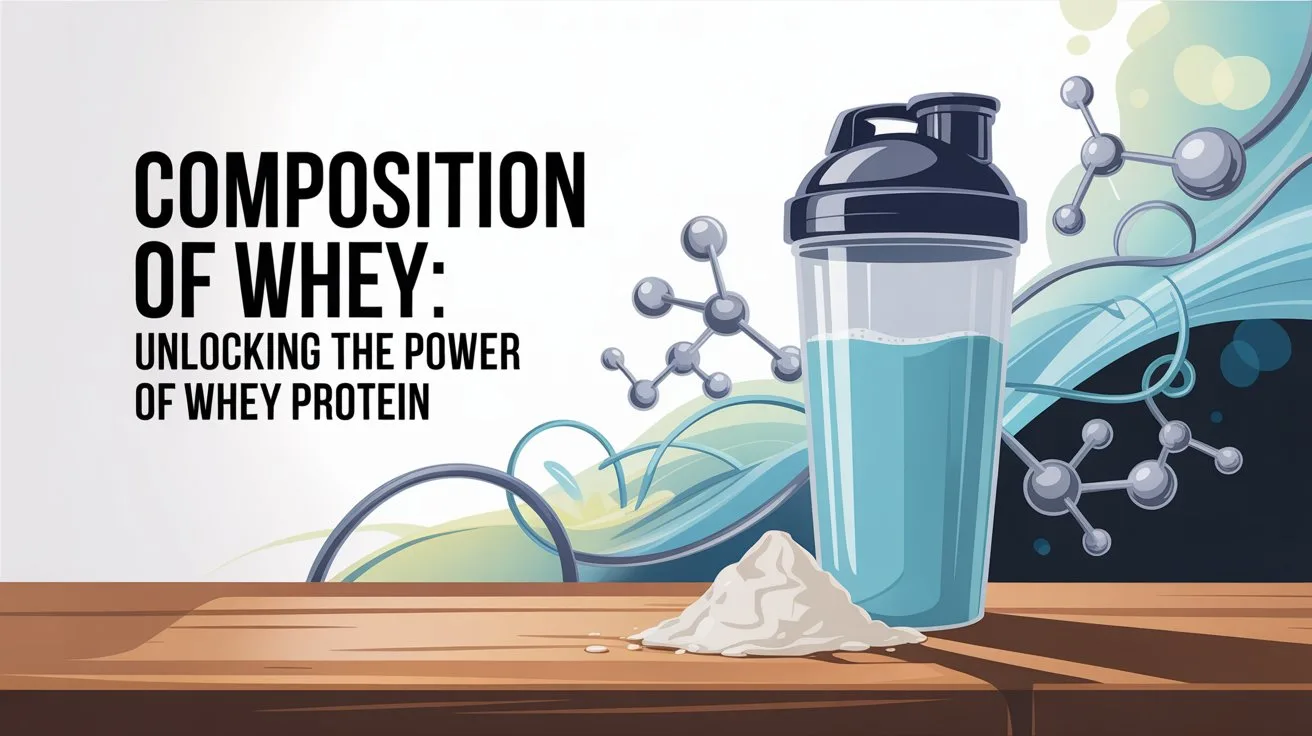
Whey protein is a dairy product formed during the cheese-making process, and it is a high-quality protein and a complete source of protein with all nine essential amino acids. It is especially beneficial for building and maintaining muscles and is good for health. Whey protein contains beta-lactoglobulin, alpha-lactalbumin, and immunoglobulins, which aid muscle recovery, immune function, and overall healing.
Whey protein is available in the form of powder which is a supplement. It is processed to contain more protein and reduce the amount of fats and carbohydrates. Whey protein powder contains 70 to 80 percent protein with a certain amount of fat, lactose, and minerals. It is available in different forms, as a concentrate, isolate, or hydrolysate which is why the amounts of fat, lactose, and minerals vary. This product is a good source of protein for those who want to gain muscle, control weight, or improve their health.
Whey is known for some of the bioactive compounds it contains which have the ability to protect cells from damage as well as the ability to improve the body’s defenses. Along with these compounds, the high amino acid profile aids muscle building, weight loss, and improving overall health.
Introduction to the Composition of Whey Protein
Amid athletes and fitness lovers, supplements are a common and famous addition to their regular diet. One of the most loved supplements containing milk is Whey Protein, known to be a complete source of dietary protein made during the cheese-making process of milk. Muscle development, healing and overall body maintenance require a good source of protein and whey contains all nine essential amino acids. Aside from being highly regarded as a supplement, its composition helps to significantly elevate protein intake. More than just a dietary supplement, whey contains health boosting properties. This supplement is a must for anyone looking to enhance their overall health and fitness. This article features the composition of whey protein, its nutritional profile and the role of bioactive compounds.
What is composition of whey protein powder?
The composition of whey protein is primarily made up of proteins, but it also contains small amounts of fats, carbohydrates and atleast a gram of dairy minerals. The type of whey protein concentrates, isolates and hydrolysate, differ with each containing a differing protein content.

- Whey Protein Concentrate: One of the first and most common forms of whey supplements being extremely popular and widely consumed. It is known to contain about 70-80% protein along with fats and carbohydrates which within contain lactose.
- Whey Protein Isolate: Also known for containing very low levels of lactose and fat and being over 90% protein.
- Whey Protein Hydrolysate: Possesses unique properties which contain being pre digested along with low carb and fat levels. This means it is broken to a form which is easier to absorb.
Whey proteins are made of beta-lactoglobulin, alpha-lactalbumin, and some immunoglobulins. They play an important role in muscle recovery, strengthening the immune system, and maintaining good health.
Understanding the Nutritional Profile of Whey Protein
Whey protein is beneficial when used as a supplement because its nutritional profile is extremely beneficial. It is a great source of protein while being low in fat and carbohydrates. Here is a breakdown of the nutritional profile of whey protein and its important components.
- Whey protein is a complete protein as it contains all the essential amino acids. It is high in branched chain amino acids (BCAAs), and in particular, leucine, which is important for muscle repair and growth.
- Some products, like whey protein concentrates, do contain lactose (a form of milk sugar), while others like whey protein isolates and hydrolysates, do not contain lactose. For those who are lactose intolerant, whey protein isolates and hydrolysates are good options.
- Whey protein, and in particular whey protein concentrates, do contain a small amount of fat. A small amount of fat, like omega 3 and omega 6, is beneficial for overall health.
- As with all protein supplements, whey protein is able to be used as a supplement for muscle building and general wellness. It is a good source of vitamins, in particular, B 12, calcium, and phosphorus which are important for metabolism, and bone health.
- World health organization recommends the use of whey as protein supplement for developing countries for the balanced protein, fat, and carbohydrate profile.
The Role of Bioactive Compounds in Whey Protein
Along with its macro and micronutrients, whey protein also has bioactive compounds that add to its health benefits. These compounds are bioactive compounds in whey protein which are good for muscle repair, immune booster, and improve health benefits.

- Lactoferrin: It has an antimicrobial effect and also helps with immune functions.
- Immunoglobulins: Help fight infection and aid with the immune system.
- Glycomacropeptide (GMP): Helps in the body’s digestion system and is good for gut health.
- Beta-lactoglobulin and Alpha-lactalbumin: Help with muscle protein sythesis and and have anti-oxidant effect.
Due to the bioactive compounds in whey protein, lactoferrin, and its beta-lactoglobulin and alpha-lactalbumin whey is also an immune booster and enhances overall blood health.
The Main Components of Whey Protein and Their Benefits
Whey protein is an example of a complete protein containing healthy fats and carbohydrates along with essential amino acids. It is derived from milk with diverse benefits. These benefits include muscle growth, muscle recovery, and overall health. It can be used with Whey protein supplements in diet and understanding the components can maximize its benefits. We will explore the effectiveness of each component of whey protein.
Protein: The Building Blocks of Whey
Protein is the most important part of whey protein powder, and its most important function is muscle building. One of the benefits of whey protein is the high bioavailability. This is the case because whey protein is easily digested and used by the body. It has all nine essential amino acids, hence a complete protein. Of those amino acids, BCAAs, especially Leucine, are important in muscle recovery and synthesis.

- Leucine: This amino is well known to stimulate the mtOR pathway. This pathway is important because it activates muscle protein synthesis and assists muscle recovery after intense exercise.
- Beta-lactoglobulin: protein found in whey in the highest quantities and it serves in alignment with goals to support the growth and preservation of lean muscle mass.
- Alpha-lactalbumin: Also promotes general health and serves as an immune system booster.
The amino acid profile of whey protein is one of the whey protein is great for muscle building, recovery, as it promotes muscle growth.
Carbohydrates and Fats in Whey Protein
We understand that protein is the main selling point of whey protein, but it does contain essential micronutrients such as carbohydrates and fats as well. Though they serve as secondary bakeries, these supplements support overall health while providing useful energy.

- Carbohydrates: Whey protein does contain a natural sugar source, lactose, which gives protein its carbohydrates. People who are lactose intolerant are better suited with whey protein isolate, as it has little to no lactose content. The carbohydrates provided through lactose are beneficial to athletes as it helps replenish glycogen stores post workout.
- Fats: The healthy fats whey protein does contain, omega-3 and omega-6, fatty acids, are essential to heart health and fighting inflammation. Those who are looking to better gain weight, or need to accommodate to a better balanced diet, are suited with whey protein concentrate as it has a higher fat content, as opposed to whey protein isolate which is much lower in fat.
By and large the fats and carbohydrates provided, whey protein acts as a useful supplement alongside a balanced diet for energy, muscle maintenance, and muscle recovery.
The Importance of Lactose and Digestion in Whey Protein
Lactose, the sugar in milk, can be found in whey protein, especially in whey protein concentrate. It helps in the digestion of nutrients, especially calcium and magnesium. Lactose is easily digestible for most people, although a few may be intolerant.
- Lactose in Whey Protein: Concentrates of Whey protein contains a higher amount of lactose as compared to whey isolate. Whey protein isolate is better for people suffering from lactose intolerance as whey protein concentrate contains a higher amount of lactose. Whey protein hydrolysate is processed even further and is lactose free and the best for the intolerants.
- Health Digestion: The presence of lactose in whey protein is complimented by bioactive ingredients like lactoferrin and glycomacropeptide. Protein whey enhances the absorption of nutrients into the body while improving the gut health, supporting the immune system.
Combined with protein, Lactose provides extra advantages to the health for those who can handle it.
FAQs
Q1. What is whey protein composition?
Whey protein composition refers to the different components found in whey protein powder, including proteins, fats, carbohydrates, lactose, and bioactive compounds. These components work together to support muscle growth, recovery, and overall health.
Q2. How does whey protein help with muscle growth?
Whey protein is rich in essential amino acids, particularly BCAAs (Branched-Chain Amino Acids), that promote muscle protein synthesis, helping repair and build muscle after workouts. This makes it an ideal protein source for muscle recovery and growth.
Q3. How does the fat content in whey protein support my diet?
The fat content in whey protein provides essential fatty acids, like omega-3 and omega-6, which support heart health, reduce inflammation, and contribute to balanced energy levels. Whey protein isolates have lower fat content compared to concentrates, making it easier to tailor your intake based on your goals.
Q4. What are the bioactive compounds in whey protein?
Bioactive compounds in whey protein include lactoferrin, immunoglobulins, and glycomacropeptide. These compounds help boost immunity, improve gut health, and provide antioxidant benefits, making whey protein beneficial beyond just muscle gain.
Q5. Is whey protein good for weight management?
Yes, whey protein can aid weight management by promoting satiety, boosting metabolism, and helping preserve lean muscle mass. Its high protein content supports muscle maintenance while being low in calories, making it an excellent choice for those looking to lose or maintain weight.
Q6. How much lactose is in whey protein?
The lactose content in whey protein varies depending on the type. Whey protein concentrate has a higher lactose content, while whey protein isolate contains minimal to no lactose. People with lactose intolerance may prefer isolates to avoid digestive discomfort.
Q7. Can whey protein support overall health, or is it just for muscle gain?
Whey protein supports overall health by boosting immune function, improving digestion, and providing essential nutrients. While it is well-known for muscle gain, the composition of whey offers a wide range of benefits for general health, including weight management and immune support.
Conclusion: Unlock the Full Potential of Whey Protein by Understanding Its Composition
Whey protein is more than just a muscle-building supplement. By understanding the composition of whey, you can fully appreciate its wide array of health benefits. From its rich protein content to the essential amino acids, bioactive compounds, and healthy fats, whey protein offers a comprehensive nutritional profile that supports muscle growth, recovery, and overall well-being.
By incorporating whey protein powder into your daily routine, you not only aid in muscle repair and maintenance but also support immune function, digestive health, and weight management. Its balanced combination of fast-digesting proteins, essential amino acids, and bioactive compounds can significantly enhance your fitness goals and health objectives.
Whether you're looking to improve workout recovery, boost your immune system, or achieve your weight management goals, understanding the whey protein composition helps you make the most of this powerhouse supplement. Embrace whey protein as a core part of your diet to unlock its full potential and experience optimal health and fitness results.


 +91 63528 07487

 225, Orchid Plaza, Sama-Savli Rd,
behind mc donald's, Vemali,
Vadodara, Gujarat, India 390008
225, Orchid Plaza, Sama-Savli Rd,
behind mc donald's, Vemali,
Vadodara, Gujarat, India 390008