

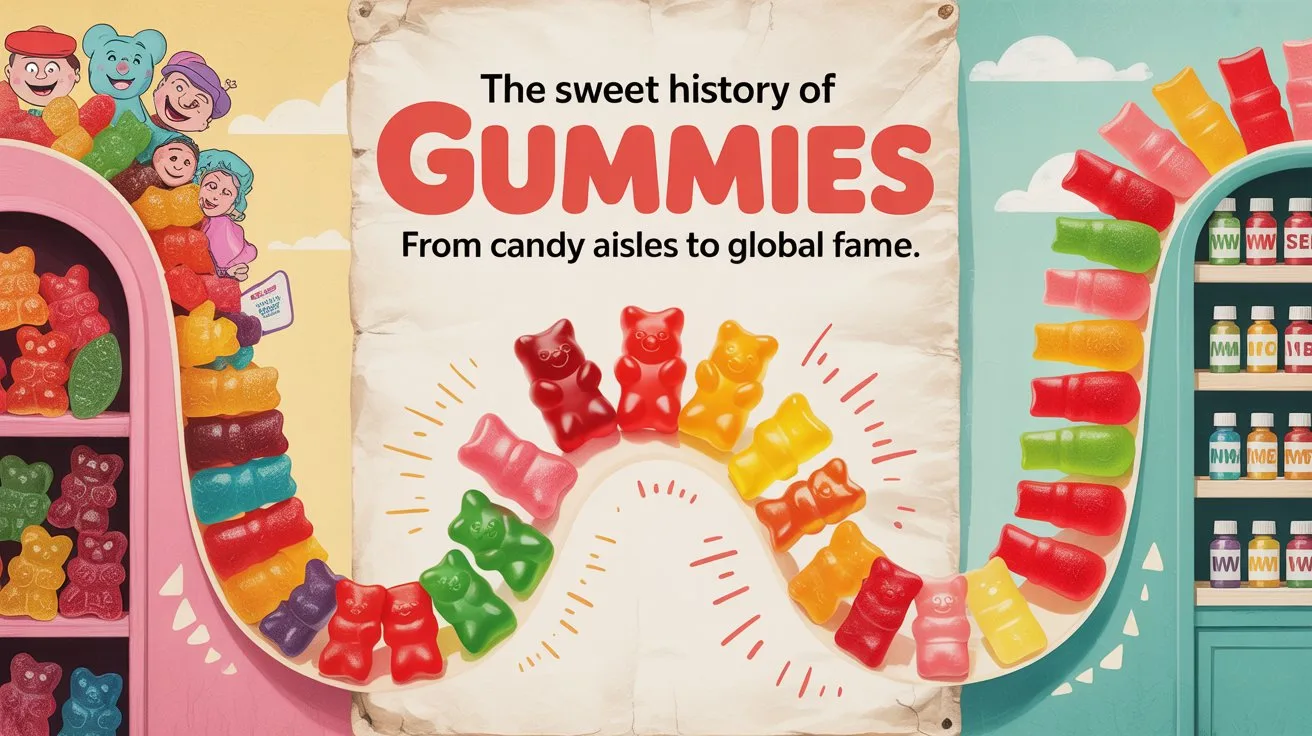
Gummies have a historical origin that traces back to Germany via the first gummy bear created by Hans Riegel of Haribo in the early 20th century. Gummy bears made candy fun and filled with chewy texture and fruity flavors. It wasn’t long before gummy as a candy expanded far beyond bears – it took the forms of worms, rings, and vitamins with the gummy texture becoming indispensable in both candy shops and health aisles.
As much as gummies might feel like candy, today, gummies are everyday wellness products. The process gummy goes through, whether it be with gelatin or pectin, from a gummy into infused gummies and supplements embodies creativity, development, and innovation.
While kids love gummies, adults do too and the category is adopted by the generations and geographies and puts a smile in the mouths of every chocolate.
The Origins of Gummies: Where the Sweet Story Begins
Gummies didn’t begin as a trendy health food they started as a fun spin on candy making. They were invented in 1922 in Bonn, Germany, when Hans Riegel, the founder of Haribo, invented the first chewy bear-shaped candy.
This original gummy candy was popular with children and adults alike for the soft texture and fruity flavor because it was a welcome change from hard-boiled candies. The uniqueness of gummies was the use of gelatin because it offered bounce, chew, and charm to candy consumption.
Over the years, gummy candies made the leap from bear shape to worms, rings, fruit, and eventually to functional gummies like vitamin gummies and gummy probiotics.
At the present time, gummies are an international sensation, combining confectionery delight with nutritional innovation.
The First Gummy Candies: German Roots of a Global Trend
- Gummy candies originated in Germany in the 1920s, when Hans Riegel of Haribo created the original gummy bear, or Gummibärchen.
- He was inspired by the trained dancing bears he watched at festivals, and the chewy candy created a global obsession.
Fun Fact: "Haribo" is an acronym that combines the name of the founder and his hometown, HAns RIegel BOnn.
How Gummy Candy Was Invented and Why It Stuck
- Originally gummy candy consisted of gelatin, sugar, fruit flavor, and the chewy texture was pleasing in contrast to harder candies.
- Gummy candy has lasted because it has flavor, fun, and form and is loved by children and nostalgic adults.
Why Gummies Are So Popular:

The Role of Traditional Confectioners in Creating Gummies
European candy brands like Haribo, Trolli, and Katjes were leading innovators in variety of gummy shaped candy, textures, and flavors.
- The legacy of introduced items now, turned area specialty candy items into nationally recognized brands.
Let’s look at some of the pivotal contributors below to the history of gummy candy:
- Haribo – invented gummy bear
- Trolli – help to popularize gummy worms
- Katjes – created vegeterian and plant-based gummy candy options
The Gummy Bear Phenomenon: How One Shape Conquered the World

There haven't been many candies that take a foothold in the pop culture landscape, and not only the pop culture, but also lifestyle and indulgences, then the gummy bear. Starting in a German kitchen and now lined on almost all of the grocery store shelves on every continent, Its shape instantly brings feelings of warmth, nostalgia, and joy.
Haribo’s Invention and the Rise of the Gummy Bear
In 1922, German candy maker Hans Riegel made the first gummy bear candy originally titled "Gummibärchen." Haribo, the company Riegel started, turned gummy bears and gummy candy into a world-wide phenomenon by the mid-20th century.
What had started as gelatin candy shaped by inspiration of trained circus bears led the way for a candy empire. Haribo has either become part of some area communities or households in over 100 countries.
The Evolution of Gummy Bear Flavors and Textures
- Though gummy bears initially came strawberry-flavored, they now offer a plethora of flavor options: cherry, orange, raspberry, apple, and now cola!
- Recent developments within food science and classification allowed for a vegan alternative to gummy bears made with pectin instead of gelatin.
Simply put, gummy bears have evolved along with changing consumer tastes to offer sugary-free, organic, and vitamin-enriched options, all while keeping their traditional appeal.
Gummy Bears Around the World: A Global Candy Icon
- Of course, gummy bears are a uniquely U.S. icon project that led to the entire sub-genre of gummies- worms, sharks, and whatever else can be imagined.
- In Asia, gummy bears are a bit different with exotic fruits flavors like lychee or mango.
Today gummy bears are more than just candy- they're global, Gummy Bears are much even more than candy- from school snacks to fancy desserts.
Shaping the Candy World: Diversity in Gummy Flavors and Forms
Gummy bears and gummy candies have come a long way, offering variety through innovation in flavor and texture. Today they are a fun and creative way for candies to showcase their playful and imaginative aspects and indulgences.
From Bears to Worms: Exploring Gummy Shapes

- Classic Shapes: Gummy bears led the way, but gummy worms quickly gained popularity, especially with kids.
- Novelty Forms: Today’s gummies take the shape of sharks, pizza slices, cola bottles, unicorns, and even sushi rolls.
- Seasonal & Themed: Holidays inspire themed gummies—hearts for Valentine’s, pumpkins for Halloween, and stars for Eid or Christmas.
These fun shapes make gummies a treat for the eyes as much as the tongue, adding whimsy to every bite.
Sour, Fruity, and Fizzy: The Expansion of Flavors
- Fruity Classics: Orange, lemon, strawberry, raspberry, and apple remain favorites.
- Sour Sensations: Sour gummies—often dusted with citric acid—provide a tangy twist to traditional sweetness.
- Fizzy Gummies: Inspired by soda flavors like cola, root beer, or lemonade, fizzy gummies add a gentle pop on the palate.
Flavor diversity allows gummies to appeal to all age groups, from nostalgic adults to adventurous kids.
Innovation in Texture: Marshmallow, Juicy, or Sugar-Coated?
- Chewy & Dense: Traditional gummies are firm and bounce back.
- Juicy Fillings: Some gummies feature liquid centers—bursting with fruit-flavored syrup or vitamin gel.
- Foam Base & Coatings: Marshmallow bottoms, sugar dustings, or chocolate coatings offer multisensory experiences.
These evolving textures reflect the creativity of modern candy-making, where every bite is a new experience.
How Gummies Are Made: A Peek Into Candy Science
From chewy candy treats to wellness supplements, gummies combine culinary art and food science. Understanding how gummies are made gives insight into the precision and care behind every bite.
Key Ingredients: Gelatin, Pectin, and Natural Flavors
- Gelatin: Traditionally used for its elastic texture, gelatin is a protein derived from animal collagen.
- Pectin: A plant-based alternative made from fruit skins—ideal for vegan or gelatin-free gummies.
- Flavors & Colors: Natural fruit extracts, essential oils, and plant-based coloring are used to keep gummies both flavorful and clean-label.
Whether it's classic gelatin or a pectin-based blend, these ingredients shape a gummy’s texture, taste, and chewiness.
Gummy Manufacturing Process: From Mixing to Molding

- Mixing: Sugar, glucose syrup, water, and gelling agents are blended at controlled temperatures.
- Flavoring & Coloring: Added just before setting to preserve aroma and hue.
- Molding: Liquid gummy mix is poured into starch molds shaped like bears, worms, or supplements.
- Cooling & Demolding: Gummies are left to set before being removed, coated (if needed), and packaged.
Each batch follows a meticulous sequence to ensure texture consistency and flavor balance.
Quality and Safety Standards in Gummy Production
- GMP (Good Manufacturing Practice): Ensures hygienic and precise handling of ingredients.
- Testing for Consistency: Weight, size, and nutrient levels are tested to match the label.
- Certifications: Halal, Kosher, Vegan, or Organic—depending on the formula and brand promise.
Whether candy or supplement, gummies undergo rigorous checks to meet safety, nutritional, and quality standards.
Looking Ahead: The Future of Gummies and What’s Next
As consumer demands evolve, so does the gummy industry. No longer just a sugary treat, gummies are transforming into personalized, functional, and tech-powered supplements and confections.
Rise of Vegan and Sugar-Free Gummies
Modern consumers are more health- and ethically-conscious than ever. This is pushing gummy brands to innovate:
- Vegan Alternatives: Pectin, agar-agar, and starch-based gelling agents replace animal gelatin.
- Sugar-Free Options: Natural sweeteners like stevia, monk fruit, and erythritol are now widely used.
- Allergen-Free Formulas: Gluten-free, dairy-free, and soy-free variants are becoming standard.
Vegan and sugar-free gummies offer inclusivity without compromising on taste or texture.
Functional Gummies with Nutritional Value
Gummies are no longer just for kids or candy aisles—they’re a growing category in wellness:
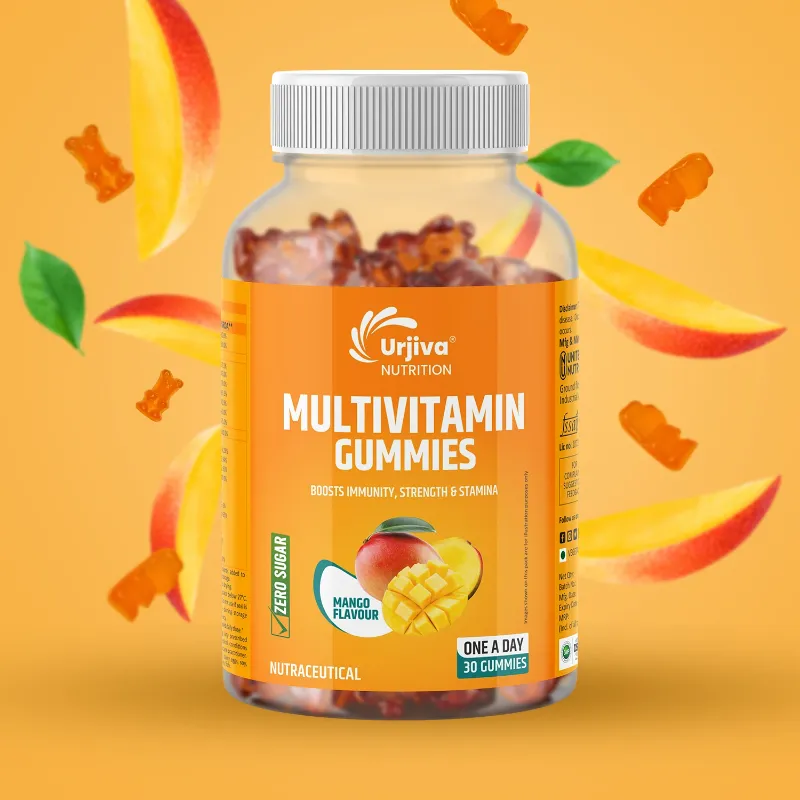
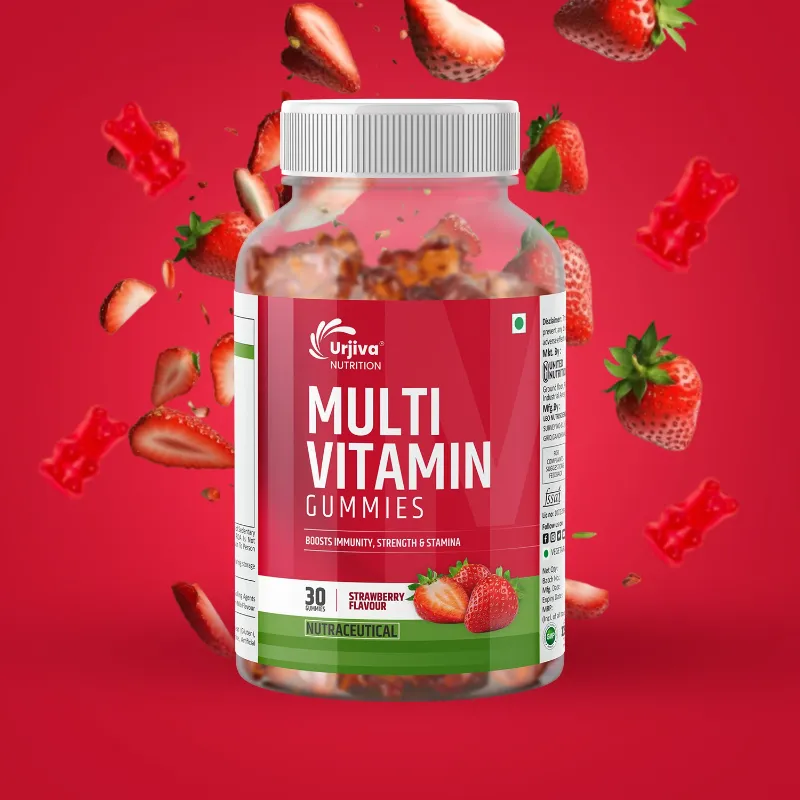
- Multivitamin Gummies: Daily nutrient needs in a chewable format.
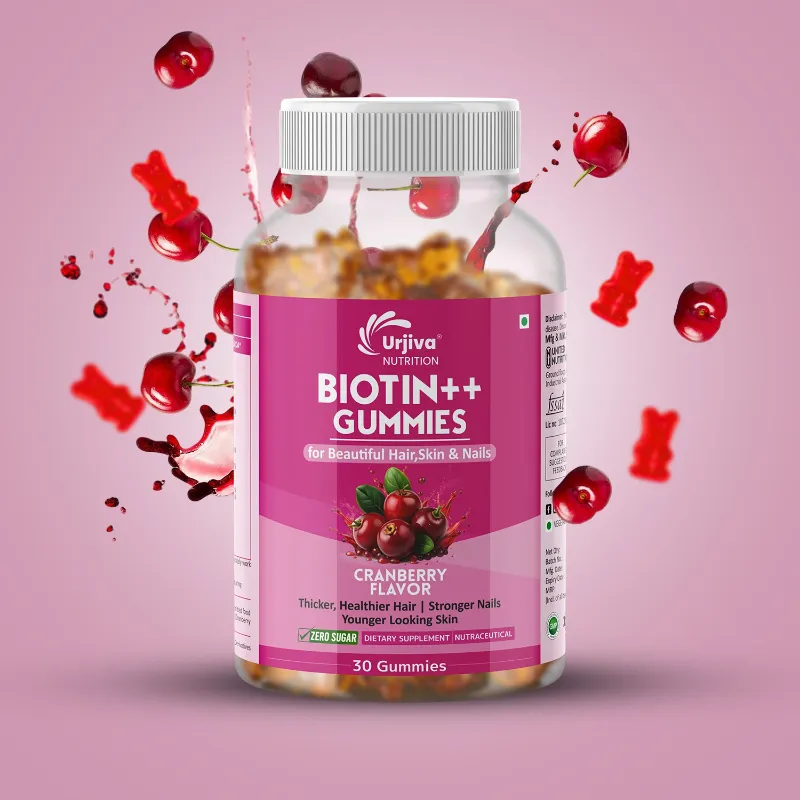
- Targeted Supplements: From melatonin for sleep to collagen for skin, each gummy serves a purpose.
- Adaptogen & Herbal Blends: Ashwagandha, elderberry, and turmeric are making their way into chewy formats.
Functional gummies bridge the gap between convenience, taste, and health benefits.
Tech Meets Candy: 3D Printed and Custom Gummies
Technology is reshaping gummy production:
- 3D Printed Gummies: Tailor-made shapes, dosages, and flavors on demand.
- Personalized Nutrition: DNA-based or lifestyle assessments generate customized gummy blends.
- Smart Packaging: QR codes on gummy packs now link to nutrient profiles and suggested regimens.
Tomorrow’s gummies will be smarter, personalized, and even more fun to chew.
FAQs
Q1 Where were gummy candies invented?
Gummy candies were invented in Germany by Hans Riegel, founder of Haribo, in the 1920s. He created the first gummy candy known as "gummy bears."
Q2 Who invented the gummy bear?
The gummy bear was invented by Hans Riegel of Haribo in 1922. Inspired by dancing bears in a parade, he created the first bear-shaped gummy candy.
Q3 Are all gummy candies made with gelatin?
No, not all gummy candies are made with gelatin. While traditional gummy candies use gelatin as a gelling agent, there are vegan alternatives that use pectin, agar-agar, or starch.
Q4 Why are gummies so popular today?
Gummies have become popular due to their fun shapes, variety of flavors, and the ease with which they can be incorporated into daily routines, especially as vitamin supplements. Their taste and convenience make them a preferred choice for both kids and adults.
Q5 Have gummies always been used as supplements?
No, gummies were originally created as candy treats. It wasn’t until the 1990s that gummy vitamins and supplements became popular as a more enjoyable alternative to pills and capsules.
Conclusion – From German Candy to Global Delight: The Gummy Legacy
Gummies have come a long way since their humble beginnings in Germany, evolving from a simple candy treat to an internationally beloved snack and supplement. Today, gummies are enjoyed by people of all ages, whether as a delicious candy or a convenient, nutritious supplement.
More Than Just a Treat: Gummies Shaped a Candy Generation
Gummies have not only shaped the candy industry but have also become a part of cultural history. From the invention of gummy bears to the creation of gummy vitamins, they've redefined how we consume supplements and sweets alike. Their playful shapes, chewy texture, and vibrant flavors have made them a lasting favorite in households around the world.
Whether for Health or Happiness, Gummies Are Here to Stay
Gummies have proven their staying power by evolving to meet the changing needs of consumers. Whether used for health benefits like multivitamins and immune support or simply for enjoyment as candy, they offer both convenience and taste. As new innovations continue, such as vegan and sugar-free options, the gummy legacy is sure to thrive, maintaining its place as a beloved treat for generations to come.


 +91 63528 07487

 225, Orchid Plaza, Sama-Savli Rd,
behind mc donald's, Vemali,
Vadodara, Gujarat, India 390008
225, Orchid Plaza, Sama-Savli Rd,
behind mc donald's, Vemali,
Vadodara, Gujarat, India 390008