

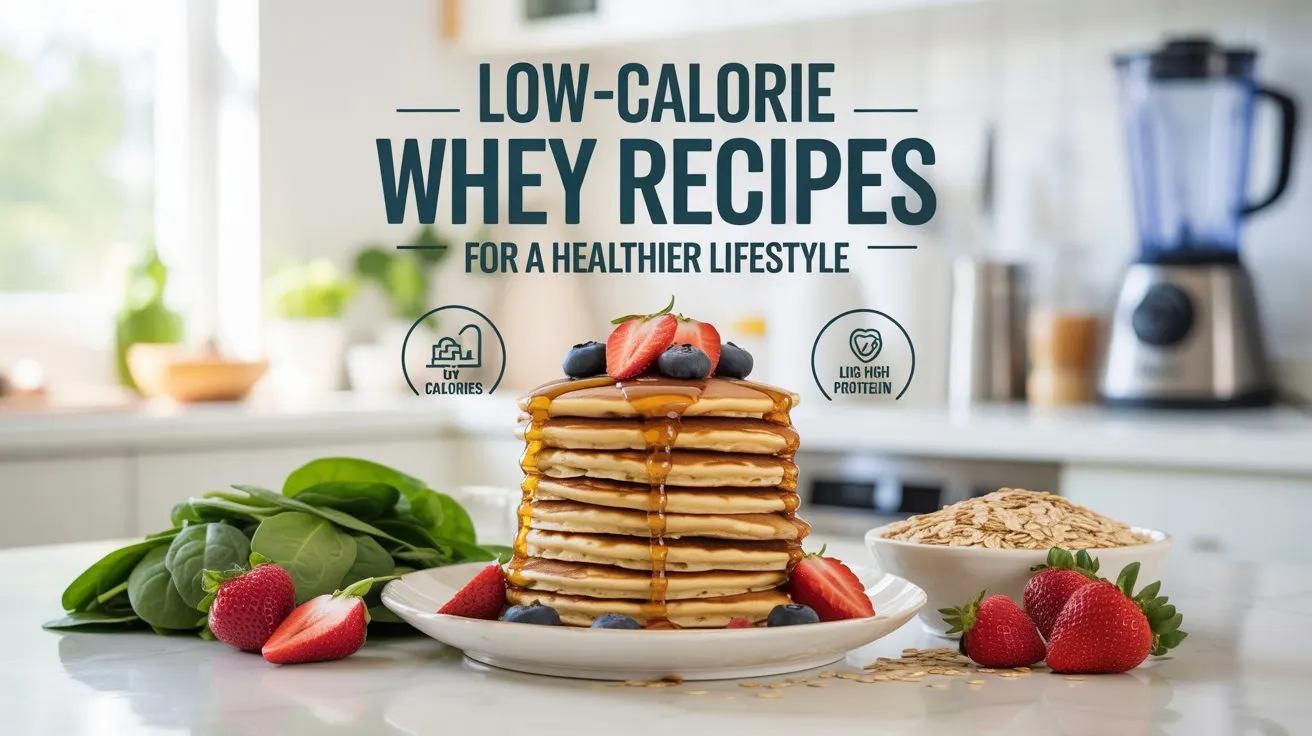
Recipes using low-calorie whey are a great way to add an excellent source of protein to your diet while keeping an eye on how many calories you are eating. Whey protein is a so-called 'high quality' protein that can be easily mixed into various meals and snacks, providing your body with the nutrients to do muscle recovery and weight management without the calories. Whether you are using it to build a smoothie with protein in it or using it for treats or baking, low-fat whey protein should allow you to get the full advantages of whey protein without compromising taste.
Adding low-calorie whey recipes into your routine gives you more than just limited calories in an otherwise nutritious recipe - it will help you grow muscle and repair muscle tissue and support overall health. Whey is high in essential amino acids, particularly BCAAs necessary for muscle maintenance and recovery. Lower-calorie whey recipes allow you to have great "guilt-free" treats (such as protein bars or a smoothie) that help to support your level of fitness while enabling your daily meals to be as nutritious as possible, satisfying and low in calories.
Low Fat Whey Protein: A Healthier Protein Choice
Low-fat whey protein is a fantastic option when you're looking for all of the benefits of whey protein without the calories from the fat content. Whey protein is naturally high in essential amino acids, and as a source of protein, it is the best quality source for muscle growth, muscle recovery, and, in general, health. Therefore, you can use low-fat whey protein to get all of the muscle-building benefits of whey protein but limit the amount of fat in your diet, which may help you manage your overall body weight.
What is Low-Fat Whey Protein?
Low-fat whey protein is nothing more than whey protein that has been processed and stripped of much of its fat content. Whey protein is a product of milk and contains all of the essential amino acids' the body needs for various protein sources, but it has substantially less fat than regular whey protein. Whey protein helps concentrate the protein and surplus fat and leaves you with a protein powder that you can easily add to smoothies, shakes or use recipes to create a healthy protein meal snack.
Why Choose Low-Fat Whey Protein?
- Reduced Caloric Intake: By choosing low-fat whey protein, you are reducing your caloric intake while still getting the protein. This is beneficial especially to those who are managing their weight and seeking alternatives to higher caloric, protein sources.
- Lean Muscle Maintenance: Low-fat whey protein builds muscle repair and muscle growth, and it does that without extra fat. This is useful for those who want to build lean muscle mass.
- Ability to Use in Recipes: Low-fat whey protein has the ability to add to a variety of recipes, such as smoothies, pancakes, protein bars, etc. By using low-fat whey protein, you can have a healthy eating routine without sacrificing taste.
How Low-Fat Whey Protein Supports Weight Management
Low-fat whey protein can contribute significantly to weight maintenance for several reasons:

- Increased Satisfaction: Whey protein helps you feel full longer, and reduces cravings which helps satisfy the physiological need for food to help promote adherence to a calorie restriction diet.
- Aids in Fat Loss: When combined with a solid training program, low-fat whey protein can assist in fat loss while maintaining lean muscle mass. Whey protein also helps assist in maintaining metabolic rate which assists with burning calories more efficiently.
- Muscle Preservation: When in the weight loss process, preserving muscle is key to maintaining metabolism. Low-fat whey protein can be an important source of protein to consume when pursuing muscle preservation, which is vital to long-term weight management.
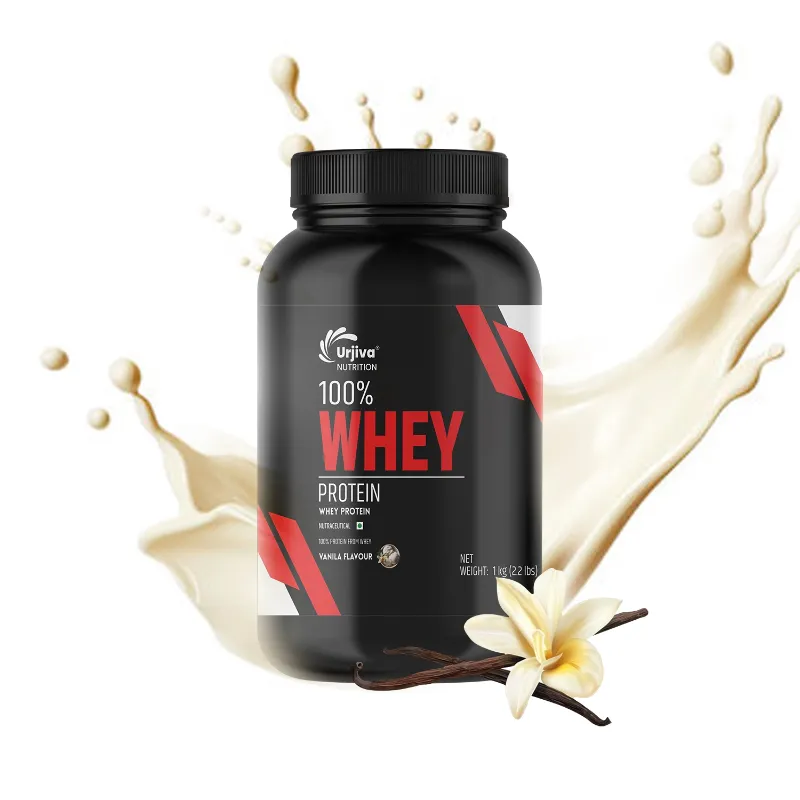
100% Whey Protein (Vanilla Flavour) - 1Kg
Product Description:Step into the world of classic flavour and premium nutrition with Urjiva Nu...
₹3,400.00
Buy NowWhey Protein: The Ultimate Protein for Your Healthy Diet
Whey protein is among the most common and efficient sources of protein for anyone looking to optimize their health, performance, and recovery. Derived from milk, whey protein contains essential amino acids, which may be useful for virtually any dietary need. It is an excellent option to build lean muscle, lose weight, or generally improve health and wellness! Overall, whey protein is versatile and packed with nutrients that will enhance your diet.
Nutritional Benefits of Whey Protein

- Excellent Source of Protein: Whey protein is a complete protein (meaning that it has all 9 essential amino acids that your body can't produce), so it will fill any muscle repair or growth needs and protein intake overall.
- High in BCAAs: Whey protein is also high in branched-chain amino acids (BCAAs), which are essential with building muscle and for post workout recovery, so it will promote muscle protein synthesis and increased strength and muscle mass.
- Easily Digestible: Whey protein is easily absorbed by the body and relatively quickly, so it is beneficial immediately post workout or as a snack. Rapid absorption means that a fast delivery of essential nutrients to your muscles right after you train will help you recover faster.
- Supports Immune Health: Whey Protein contains (immunoglobulins and lactoferrin), and Whey can help to increase your immune system function, in addition to adding to your overall health and wellness, dive fat-in moderation; it can help you to fight off infections and have a solid immune defense.
Why Whey Protein is Perfect for Weight Loss
Whey protein is very useful for weight loss because it helps facilitate the burning of fat while preserving lean body mass. Here are several ways whey protein can help with weight control:
- Appetite Control: Whey protein can help with reduced hunger levels as it increases satiety and fullness levels making it easier to adhere to caloric restriction thus eliminating the chance of overeating.
- Increased Thermogenesis: Adding whey protein to your diet increases thermogenesis, which can increase your overall energy expenditure (or metabolism). This is especially useful if you are seeking weight loss or maintenance.
- Muscle Preservation: When you are losing fat, you want to maintain the amount of muscle mass you have. Whey protein provides the essential amino acids you need to avoid losing muscle mass during a caloric-restricted diet. That way, the weight loss you achieve primarily will be from fat.
Incorporating Whey Protein in Your Diet
- Smoothies and Shakes: Probably the most common and easiest way to add some whey protein into your ingredient list is to add it to smoothies or shakes! You can add whey protein to your blender with fruit, vegetables, and other healthy ingredients to create a great tasting protein pack meal or snack.
- Baking and Cooking: You can add whey protein to pretty much any recipe, such as pancakes or protein bars. If you use a low-fat whey protein mix or whey protein powder it won't add any more calories! This is a great way to add extra protein to baked items you use to get through the day.
- Meal Replacement: Whey protein shakes can also be used as a meal replacement, especially if you're on the go. If you combine whey protein with all low-calorie options you can create an effective meal replacement shake that provided fullness and nutritious fuel to your body.
- For Recovery After Workouts: You sure can't go wrong with a whey protein shake right after a workout! Consuming whey protein right after your workout is optimal for repair. You'll want to get calcium, protein, and carbohydrates into your system as quickly as possible. Whey is a perfect protein for getting your body what it needs in an efficient amount of time. Proteins can take a very long time to be absorbed by the body! Whey is an excellent and fast absorbing protein!
Easy and Delicious Low-Calorie Whey Recipes
Low-calorie whey recipes are an excellent way to enjoy nutritious meals while keeping your calorie intake in check. Whey protein offers a host of benefits, including muscle recovery, improved metabolism, and enhanced satiety. By incorporating whey protein into your meals, you can create delicious, high-protein options that promote a healthier lifestyle without sacrificing taste. Below, we'll explore some of the best low-calorie whey recipes that are perfect for your daily routine.
Whey Protein Smoothies for a Low-Calorie Boost
Whey protein smoothies are simple and refreshing and a low-calorie, high protein breakfast. Whey protein smoothies are fast to put together and you can personalize the flavor to your liking. Ingredients: 1 scoop of low fat whey protein

- 1 cup unsweetened almond milk (or low-calorie milk substitute)
- 1/2 cup mixed berries (strawberries, blueberries etc.)
- 1 tablespoon chia seeds or flax seed for added fiber
Low-Calorie Whey Pancakes for Breakfast
Pancakes can feel heavy and cumbersome on an empty stomach first thing in the morning. The good solution to this is light, low-calorie whey pancakes with plenty of protein and fiber. In the end, you will have had a justified breakfast that won't weigh you down with calories. Ingredients: 1 scoop whey protein powder (low fat variety)

- 1/2 cup oats (blend to flour)
- 1/4 cup unsweetened almond milk
- 1 egg
- 1 teaspoon baking powder
- A sprinkle of cinnamon for taste
Guilt-Free Whey Protein Muffins
For those who enjoy a sweet treat, these whey protein muffins are a healthier alternative to traditional muffins. They are light, nutritious, and packed with protein to keep you satisfied.
Ingredients:
- 1 scoop low fat whey protein
- 1 cup almond flour
- 1/4 cup unsweetened applesauce (for moisture)
- 2 tablespoons honey or stevia
- 1/2 teaspoon baking soda
- 1/4 cup unsweetened almond milk
FAQs:
Q1. What is the best way to use low-calorie whey protein in my diet?
There are multiple ways to incorporate whey protein such as adding it to smoothies, pancakes, and baking. Whey can also be easily included in a protein shake, snack, or meal replacement.
Q2. Is whey protein helpful for weight loss?
Whey protein supports weight loss by improving satiety, increasing metabolism, and promoting fat loss while preserving muscle mass.
Q3. Can I replace a meal with a low-calorie whey protein shake?
Yes, low-calorie whey protein can be effectively used as a meal replacement. This is especially so if you include fruits or vegetables to add fiber and nutrients to the shake.
Q4. How much low-fat whey protein should I consume daily?
The recommended daily use of low-fat whey protein is 20-40 grams each day depending on an individual’s activity level and protein requirements.
Q5. Are low-calorie whey protein recipes good for muscle recovery?
Yes, low-calorie whey protein recipes are ideal for muscle recovery after workouts because it includes the essential amino acids from whey that stimulates muscle repair and muscle growth.
Q6. Can I use low-fat whey protein in my desserts?
Yes, for a quick and easy source of protein, low-fat whey protein can be incorporated into dessert items such as muffins, brownies, and smoothies as a creative way to enjoy a protein-rich snack that includes fewer calories than high calorie sources of protein.
Q7. Is low-calorie whey protein suitable for vegetarians?
While whey protein is derived from milk, it is considered suitable for lacto-vegetarians. However, it is not vegan, as it is an animal-based protein source.
Conclusion: Embrace the Power of Low-Calorie Whey Recipes for a Healthier Lifestyle
Including low-calorie whey recipes into your every day life could just be a great addition to your health and fitness goals. Whey protein is a nutrient that is rich in protein and helps to contribute to muscle recovery, as well as weight loss, and aids in general well-being. Whey is a versatile ingredient that can be easily added to any meal. Whey can make smoothies or pancakes or even a delicious guilt-free muffin or shake. Low-calorie whey recipes are a great nutritional option for getting back on the healthy track.
When you add whey recipes into your regular diet, you will get to nourish your body with what it needs to function optimally while still controlling your overall caloric intake. So why wait? Start adding low-calorie whey recipes to your diet today, and start to live a happier and healthier lifestyle!


 +91 63528 07487

 225, Orchid Plaza, Sama-Savli Rd,
behind mc donald's, Vemali,
Vadodara, Gujarat, India 390008
225, Orchid Plaza, Sama-Savli Rd,
behind mc donald's, Vemali,
Vadodara, Gujarat, India 390008