

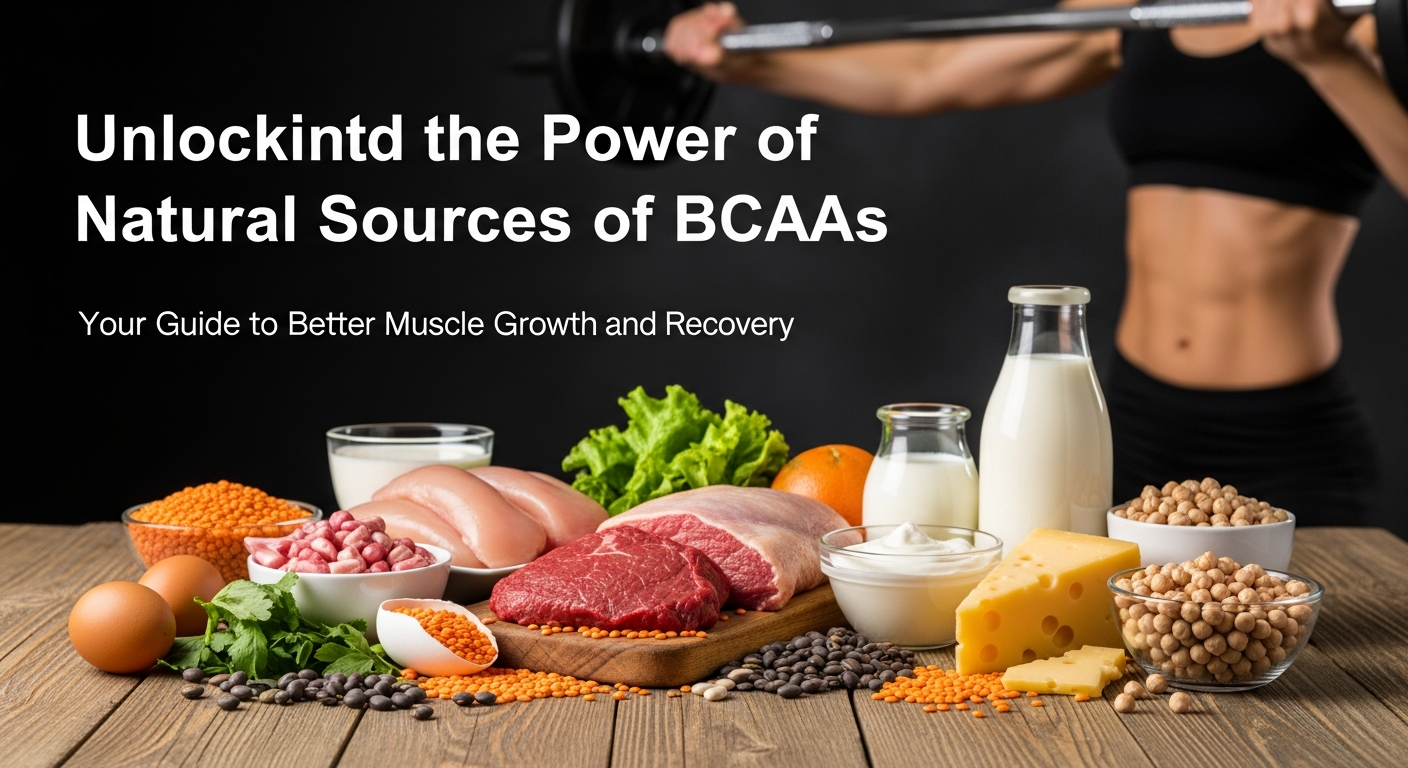
BCAAs (Branched Chain Amino Acids) are important nutrients that support muscle growth, strength and recovery, especially for those people who are physically active or who compete as athletes. However, compared to synthetic supplements, BCAA natural sources are whole foods that your body can readily absorb and process.
Examples of foods that will provide you with a high concentration of BCAAs are high-protein foods (dairy, nuts, seeds), legumes and grains. Whole food sources of BCAAs will contain leucine, isoleucine and valine, which are three essential branched chain amino acids that help repair muscle tissue, lower fatigue, and improve exercise performance.
In addition to providing your body with BCAAs from natural sources, you will also receive additional nutrients (vitamins, minerals, fibre), which means that these foods will have a substantial effect on overall health as well as muscle recovery. This is one of the reasons why food sources of BCAAs from natural sources are so gentle on our digestive systems and can be consumed on a regular basis as part of a healthy diet.
Natural sources of BCAAs, whether they come from plant proteins or traditional sources of protein, will provide you with the nutrients you need to sustain you during your workouts, help you recover more quickly from your workouts, provide you with increased stamina, and support your long-term health of your muscle tissue.
Understanding BCAAs: What Are They and Why Are They Essential?
Branched-Chain Amino Acids (BCAAs) are an essential group of amino acids that cannot be synthesized in the body and must be obtained through diet. BCAAs are particularly beneficial for individuals engaged in regular exercise because they promote muscle growth & development; decrease the chances of fatigue; and improve post-exercise recovery. Eating whole food sources of BCAAs, in addition to providing fuel (calories) for the body, supply other nutrient components, including vitamins, minerals and a source of sustained energy.
The body utilizes the nutrients derived from whole food sources of BCAAs more effectively than isolated BCAA supplements. In addition to helping maintain muscle mass, they also provide support for endurance, and provide a foundation for maintaining overall metabolic health. BCAAs are necessary for any person who wants to remain healthy, strong and active, regardless of whether they participate in high levels of athletic activity.
What Are Branched-Chain Amino Acids (BCAAs)?
Branched Chain Amino Acids (BCAAs) are a group of 3 essential amino acids with a unique chemical structure that is branched. BCAAs are metabolized directly by your muscles, rather than being processed in the liver. Therefore, BCAAs can supply your body with energy quickly during physical activity.
There are several benefits of taking BCAAs:
- Excellent source of nutrients to aid in the repair and recovery of muscle tissue.
- Decrease muscle soreness after exercising.
- Assist in the prevention of muscle wasting.
- Increase endurance through longer, more intense workouts.
BCAAs can be found in many natural foods, such as dairy, legumes, whole grains, nuts, seeds, and most plant foods. BCAAs are easy to add to the diet by using food sources found in most people's everyday diets.
Leucine, Isoleucine, and Valine Explained
Each BCAA plays a specific and important role in the body. Together, they work as a team to support muscle and energy needs.

Role of BCAAs in Muscle Protein Synthesis
After a workout, the body goes to work repairing and developing new muscles. BCAAs are amino acids, and they are most effective at promoting muscle growth through their action on muscle protein synthesis directly after exercising.
BCAAs, particularly leucine, have different functions related to muscle growth:
- Promote muscle development where it occurred after training
- Prevents muscles from degrading while someone is doing hard training
- Assist with recovery and reducing soreness
- Allows for greater strength gains over time
Incorporating BCAAs into your diet via food and natural sources without relying solely upon supplementation can help provide your body with a continuous supply of the nutrients your muscles need for proper recovery, and support ongoing fitness because of the benefits associated with consuming whole foods.
The Science-Backed Benefits of Consuming BCAAs Naturally
The branched-chain amino acids (BCAAs) are key components of muscle health, energy production and muscle recovery. By consuming BCAAs through natural food sources rather than supplements, you also receive many other nutrients (such as fibre, vitamins and minerals) which support the absorption of BCAA's into the body and provide additional health benefits. The use of BCAA's from food is a natural and safer way to achieve your long-term fitness and healthy living goals than through synthetic supplements.
There is scientific evidence that naturally sourced BCAA's reduce muscle breakdown, assist with maintaining a lean body mass and improve your exercise performance. BCAA's are a good option for athletes and also for individuals who regularly exercise or consume a reduced calorie diet or utilize intermittent fasting.
Natural BCAAs for Muscle Growth and Recovery
Development and recovery occur in response to the breakdown of muscle tissue due to physical activity. The primary amino acid responsible for stimulating this process is Leucine.
Natural Sources of BCAAs
- Promotes Muscle Development After Training
- Reduces Soreness After Training
- Assists in Development of Lean Tissue
- Shortens Recovery Time
Natural Sources of BCAAs (Dairy Products, Lentils, Beans, Whole Grains, Nuts, Seeds, & Traditional Plant Proteins): Because these foods are digested slowly, they provide a constant and optimum release of BCAAs to allow muscle tissue to recover naturally and optimally.
Energy, Endurance, and Fat Loss Support
BCAAs provide energy, extend your workout capacity and maintain your fat loss program throughout your journey.During intense workouts, this supplement will replace the lost stores of glycogen and help you extend your workouts by delaying fatigue and increasing stamina.
BCAAs will help the following ways to help energy and fat loss.
- Will provide energy rapidly throughout prolonged exercise.
- Will decrease Foggy Brain Syndrome by decreasing tryptophan absorption in the body at the time of exercise.
- Will support the metabolism of fat while preserving muscle mass.
- Will enhance work-out endurance and mental focus.

Muscle Preservation During Training and Fasting
The body can lose muscle during stressful periods (including prolonged calories and high-intensity exercise) by pulling energy from muscle tissue. BCAA's will supply enough energy to the muscles that are required during these times to preserve the muscle tissue from being broken down into energy (catabolic).
Why BCAA's from food sources:
- Prevent muscle breakdown (catabolic) during Fasting and Intense Exercise
- Support muscle growth and maintenance with lower calorie intake
- Prevent Muscle Loss during Weight Loss (generally)
- Aid in recovery without stomach upset/gastrointestinal issues.
The natural BCAA-rich foods support the integrity of the muscle and, by using them through structured diet/training plans, the consumers can expect to receive all of the benefits from taking BCAA.
The Top Natural Food Sources of BCAAs
Whole food sources of branched-chain amino acids (BCAAs) provide nutrients for the body, including leucine, isoleucine, and valine and other vitamins and minerals that work in conjunction with BCAAs. In addition to supporting muscle growth, faster recovery, and sustained energy, using whole food sources of BCAAs means using a clean, natural approach and having a better chance of meeting your daily requirements of BCAAs.
BCAAs are present in many regular foods we eat every day, so you can meet your daily needs through food and not just rely on synthetic supplements.
High-Protein Foods Rich in BCAAs
Here are some of the best foods that are high in protein and contain a high concentration of BCAAs to assist with muscle repair and building strength:
- Dairy products (milk, curds, paneer, yoghurt).
- Eggs and egg-based meals.
- Legumes (lentils, chickpeas, beans).
- Nuts and seeds (peanuts, almonds, pumpkin seeds).
- Whole grains (millets, oats, quinoa).
These sources of dietary BCAAs have the ability to release amino acids gradually into the blood, helping to prevent muscle disintegration during training and promoting the long-term maintenance of your muscles.
Animal-Based vs Plant-Based Sources
Both animal-based and plant-based foods offer valuable BCAAs, but they differ in digestion speed and nutrient profile.

Whole Foods vs Processed Protein Products
Natural, whole foods outdo processed protein products from a long-term health and nutrient absorption perspective. BCAAs from whole food source(s) will be released more gradually, reducing digestive stress and optimizing utilization.
The benefits of whole food BCAAs compared with processed, include:
- Free of artificial additives and sweeteners
- Nutrient synergy is optimized
- Gut Health improved
- Optimum recovery and sustainable energy source

Animal-Based Foods Packed with BCAAs
Animal-based foods are considered to be the most concentrated, natural source of BCAAs because they contain complete proteins with a very high degree of availability and they provide high levels of leucine, isoleucine, and valine in an ideal ratio for muscle building, recovery and strength development. Therefore, by eating a combination of animal-based sources of BCAAs-including leucine, isoleucine, and valine-as part of a well-balanced diet an active person is able to effectively meet his or her daily amino acid requirements.
Furthermore, compared to a variety of plant-based foods, animal protein is digested more quickly by our bodies and provides BCAAs directly to the muscles to help support recovery and minimize muscle damage after an intense workout or an active period of time.
Chicken, Eggs, and Dairy Products
Poultry, eggs, and dairy comprise a growing base of the natural food sources of Branched Chain Amino Acids (BCAAs). They can be consumed daily and are easy to digest; poultry, eggs and dairy are versatile foods.
The following are the benefits of eating chicken, eggs and dairy foods:
- Chicken is lean and is a rich source of leucine (BCAA), which is essential for muscle growth and development
- Eggs contain all of the essential amino acids required to promote muscle recovery and repair
- Dairy products (i.e., milk, yogurt, curds, paneer) contain calcium, which helps build strong bones as well as providing BCAAs.

Beef, Fish, and Seafood Options
Beef, fish and seafood provide an incredibly valuable natural source of Branched Chain Amino Acids (BCAAs) which support both those who are focused on building muscle as well as someone who is doing any kind of strength-based and endurance activity.
What Makes Them Different From Each Other?
- Beef has High Levels of Leucine & Iron That Can Support Building Muscle Strength.
- Certain types of Fish such as Salmon or Tuna not only provide BCAAs but also Omega 3 Fatty Acids.
- Seafood Is A Useful Source In The Process Of Muscle Recovery And Will Help Improve Your Heart And Joint Health.

Benefits of Animal Protein for BCAA Intake
Animal based proteins are viewed as the best source of bcaa because they contain all of the essential amino acids and absorb quickly into the body, which is beneficial during periods of intense training, calorie restriction, or recovery.
Benefits of Animal Protein - BCAA Intake:
- Faster rate of muscle Protein synthesis
- Less muscle Proteolysis
- Increased strength Endurance
- Improved Post workout recovery

Plant-Based Options: Harnessing Veggie Power for Your Amino Acids
The amino acids found in the branched-chain (BCAA) are an important aspect of a vegetarian or vegan diet and should be one of your key sources for these essential amino acids. Although plant sources of protein typically take longer to digest than animal-based sources, they offer sustained energy, improved gut health, and prolonged muscle support through regular intake of vegetables.
In addition to amino acids provided by consuming vegetarian and vegan foods, plant-based sources also contain dietary fiber, numerous antioxidants, and other beneficial compounds known as phytonutrients. Alternate plant-based sources for BCAAs also contain fiber, antioxidants, and phytonutrients that support your overall health, as well as improve recovery from muscle soreness.When using the right combination of plant-based foods to meet your daily BCAA requirements sustainably and naturally, you’ll find it is easy.
MLentils, Beans, and Legumes
Many plant-based diets feature lentils, beans, and legumes among their many cheap and easily available sources of branched chain amino acids (BCAAs). In addition to protein, these foods offer complex carbs and fiber which supply sustained energy as well as build and repair muscle tissues.
Some of the major benefits include:
- Providing natural sources of leucine, isoleucine, and valine (the three primary BCAA's).
- Helping recovery from exercise and developing strength.
- Improving digestive and intestinal health.
- Assisting in blood sugar regulation.

Tofu, Tempeh, and Edamame
Edamame, Tempeh, and Tofu are sources of BCAA's and are considered to be one of the highest sources of plant-based protein. Soybean products contain all of the essential amino acids and are considered "complete" proteins.
Why soybean products are unique:
- The quality of Soybean Protein (plant-based protein), is superior due to their superior amino acid profiles.
- They have a high digestibility rate and add versatility to your meals.
- Soybean products aid muscle recovery and muscle growth.
- Soybean products are the preferred choice of athletes and individuals who exercise regularly.

Quinoa and Other Complete Plant Proteins
Although classified as a cereal grain, quinoa has been used for thousands of years to provide complete proteins with branched-chain amino acids (BCAAs). In addition to quinoa, other complete protein sources include buckwheat and amaranth.
Complete plant proteins are beneficial because:
- They contain every amino acid needed by our bodies
- They're involved in helping to rebuild and provide our muscles with energy
- They're relatively simple to digest compared to processed grains
- They contain minerals such as magnesium (Mg) and iron (Fe).

How to Incorporate More Natural Sources of BCAAs Into Your Diet
Incorporating BCAAs into your dietary regimen need not involve adverse impacts on your health; gaining access to these muscle-building amino acids through natural food sources may require making some dietary adjustments, but a little forethought and preparation of your meals will ensure that your body continuously receives these essential amino acids Leucine, Isoleucine and Valine. BCAAs from natural food sources also provide superior absorption, nutrition balance and muscle sustenance over the long term compared to supplementation only.
Be it a vegetarian or non-vegetarian way of life, incorporating these BCAAs into your regular diet is manageable.
Meal Planning With High-BCAA Foods
Meal planning is important for spreading out BCAAs evenly through the day. This allows for more muscle recovery and increased energy.
High-BCAA meal planning:
- Include protein-rich foods in each of the main meals.
- Prioritizing whole food sources (e.g. eggs, dairy products, legumes, and grains).
- Add nuts/seeds to your snacks to boost your amino acid intake.
- Use minimally processed foods whenever possible.

Combining Plant and Animal Proteins
Combining plant proteins with animal proteins is beneficial to the overall amino acid profile of meals. This method guarantees a consistent and full supply of BCAAs, as well as nutrient absorption.
Some of the benefits of combining proteins are:
- A well-balanced supply of essential amino acids
- Improved recovery of muscle tissue
- Better digestion and gut health
- More dietary diversity
Smart options for combination include:
- Rice or millet with lentils
- Eggs and whole grains
- Dairy products with nuts and/or seeds
By mixing and matching these combinations, it makes it much easier to achieve the required intake of the natural source of BCAAs without becoming overly dependent on any one group of foods.
Daily Intake Recommendations From Food
While a daily recommendation for BCAA intake has not been established, the typical person's requirement can easily be met through adequate protein intake through foods.
General recommendations on consuming protein as food include:
- Distributing protein evenly throughout daily meals.
- Choose whole food sources over supplementation.
- Choose natural food sources of BCAAs (these are the best way to achieve long-term gains).
Consuming the BCAA-rich foods consistently from different food sources is the best way to maintain muscle health, energy, and recovery. This method is both safe, effective, and nutritionally balanced.

Natural vs Supplemental BCAAs: Which Is Right for You?
While your body will respond differently when consuming BCAA (Branched Chain Amino Acids) through a whole food source versus a supplemental product, both types offer benefits. Whole food sources containing BCAA's will contain other nutrients that aid both in the absorption process and the digestive process, along with providing much needed vitamins and minerals, which give your body the total package for optimal health.
On the other hand, when taking BCAA supplements, you are typically receiving isolated forms of these nutrients which will generally be delivered quicker to your body. However, you will miss out on all of the additional benefits found in a complete food source.
Natural Food vs Supplements
Whole foods and supplements both supply BCAAs, but they vary significantly in nutrition quality and long-term impact.

Advantages of Whole-Food Nutrition
The naturally occurring sources of branch chain amino acids (BCAAs) in whole foods complement nutrients in whole foods, allowing better use of amino acids for muscle recovery and energy.
Major Health Benefits of Whole Foods Include:
►Increase in Muscle Protein Synthesis over Time
►Decreased Nutrient Imbalance Risk
►Increased Digestive Health and Gut Health
►Increased Health Benefits from Fiber and Antioxidants
BCAAs from Whole Foods are Released Over Longer Periods of Time to Maintain Muscle Mass and Energy Levels Throughout the Day, Without Overburdening the Digestive System.
When Supplements May Be Helpful
While it is best to get nutrients from whole foods, BCAAs can provide benefits when specific conditions exist.
In cases where...
- Training is at a high level of intensity,
- You skip meals or get a reduced amount of protein in your diet,
- You need immediate access to amino acids after exercising (e.g., within 30 minutes) and
- During prolonged endurance events.

FAQs
Q1. What are the best natural sources of BCAAs?
The best natural sources of BCAAs include dairy products, eggs, meat, fish, lentils, beans, soy foods, nuts, seeds, and whole grains.
Q2. Are natural sources of BCAAs better than supplements?
Yes, BCAAs natural sources are generally better because they provide complete nutrition, better absorption, and long-term health benefits.
Q3. Can vegetarians get enough BCAAs from food?
Absolutely—vegetarians can meet their BCAAs needs through lentils, beans, tofu, tempeh, quinoa, nuts, and seeds.
Q4. Do athletes need BCAA supplements if they eat high-protein foods?
Usually no; athletes who consume enough protein from natural sources of BCAAs often don’t need supplements.
Q5. Are BCAAs from food safer than supplements?
Yes, BCAAs from whole foods are safer, easier to digest, and less likely to cause side effects than supplements.
Conclusion: Make the Switch—Prioritize Natural Sources of BCAAs for Optimal Health & Performance!
Natural Sources Of Bcaa Have Been Proven To Be One Of The Most Helpful Ways To Develop Muscle Growth, Recovery, And Mental Wellness. Whole Foods Provide The Most Balanced, Bioavailable Form Of Bcaa And Also Supply The Body With Vital Nutrients Such As Vitamins, Minerals, Fiber And Antioxidants. The Synergism Of These Nutrients Allows For More Efficient Absorption And Utilization Of Amino Acids. It Also Aids In Digestion, Energy Levels, And Overall Long-Term Health.
While Isolated Supplementation Provides An Inconsistent Supply Of Nutrition To The Body All Day Long; Natural Sources Of Bcaa Provide Consistent Nutrition To The Body Over Time, Reducing Muscle Degradation, Improving Endurance And Supporting Lean Muscle Mass. Whether You Are An Athlete, Fitness Enthusiast, Or Just Trying To Remain Active And Healthy, Food-Based Bcaa Provide A Much Safer And More Sustainable Approach To Performance Nutrition.
By Considering Natural Sources Of Bcaa—From Plant-Based Proteins And Whole Grains To Dairy And Lean Animal Proteins—You Build A Strong Foundation For Optimal Health And Supporting Long-Term Performance, Strength, Recovery And Vitality Through Clean, Balanced And Natural Means.


 +91 63528 07487

 225, Orchid Plaza, Sama-Savli Rd,
behind mc donald's, Vemali,
Vadodara, Gujarat, India 390008
225, Orchid Plaza, Sama-Savli Rd,
behind mc donald's, Vemali,
Vadodara, Gujarat, India 390008