
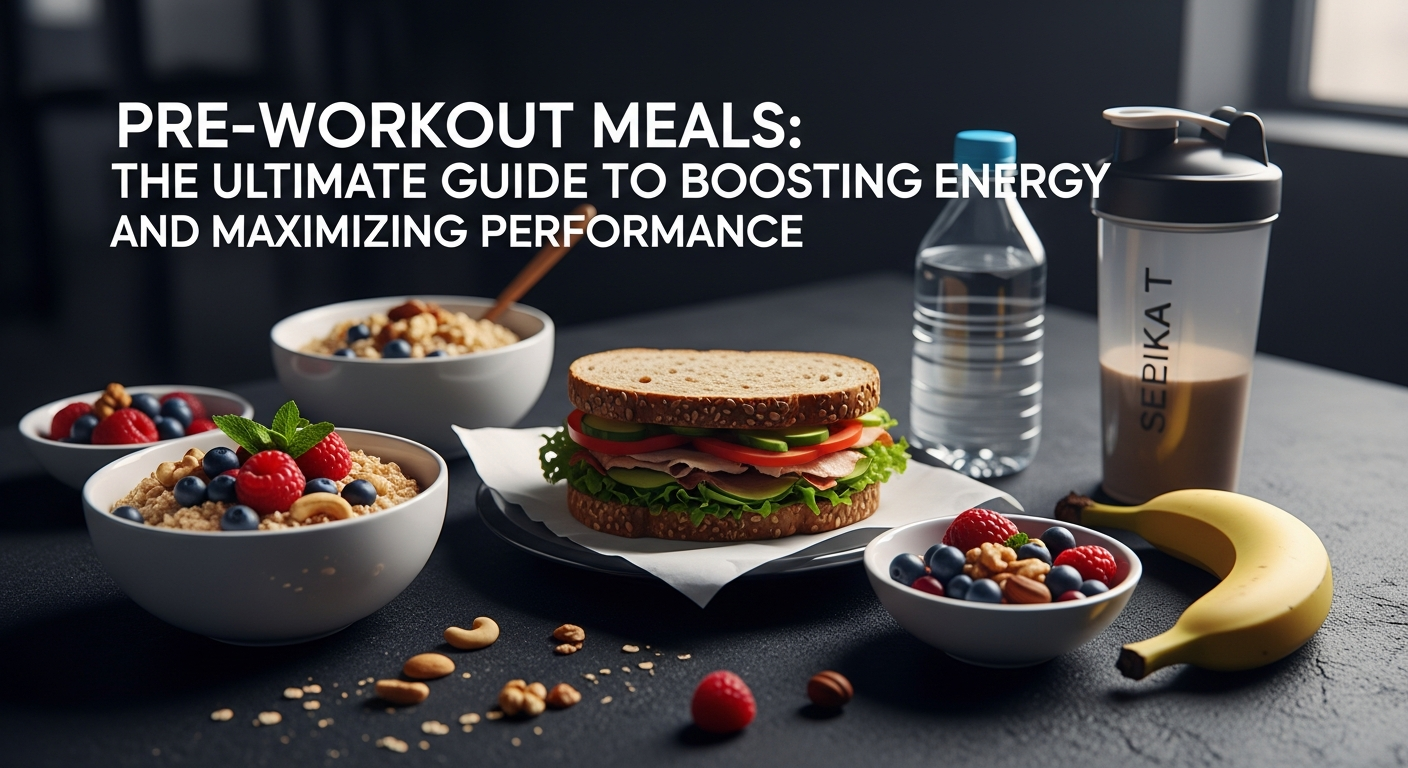
The foods you eat before exercising provide the necessary energy and nutrients needed to prepare you physically for your workout. Foods such as grains (i.e., wheat, rice) are a source of healthy energy for many cultures throughout history, and they are a significant part of most people's diets today. In addition to carbohydrates, proteins, and healthy fats, pre-workout nutrition is also important for the digestion process. These nutrients provide a slow release of energy into the blood, which is critical for maintaining consistent levels of activity in your body during exercise. Pre-workout nutritional options range from simple, easy-to-digest foods like bananas and oatmeal (perfect morning snacks) to more elaborate combinations of proteins and carbs, such as egg dishes on whole-grain bread or yogurt covered in fruits, all of which offer various ways of maximizing your workout!
Why Pre-Workout Nutrition Matters for Your Fitness Goals
There are different types of nutrition for a pre-workout meal, and they can all contribute significantly to maximum performance of the body during exercise. Meal preparation assists in preparing the muscles for the type of workout you will be doing, stabilising energy to maintain high levels of focus during your workout session, and enhancing the efficiency of your exercise program overall. Different types of pre-workout meals additionally support different fitness goals, whether it be endurance, building muscle mass, losing fat, or recovering from previous workouts.
Importance of Eating Before Exercise
Fuel your body prior to working out by providing it with fuel to fuel your body during the workout.
- Carbohydrates = quick energy
- Proteins = muscle performance
- Healthy Fats = sustain stamina.
A good pre-exercise meal (the morning of) will help reduce dizziness, fatigue, and sudden drops in performance. It will also prevent you from drawing energy from the muscles and keep you active and focused throughout your training session. Foods that are smooth and easily digestible, such as bananas, oats, yogurt, and smoothies are ideal, as they will not impede your performance.
How Pre-Workout Meals Improve Energy Levels
Nutrients consumed before exercising provide energy from carbohydrates and protein, as well as keep the body hydrated.
- By increasing glycogen stores in the body, carbohydrates provide a source of fuel during a workout.
- Protein helps keep muscles healthy and minimizes the onset of fatigue during exercise.
- Vitamins and minerals help keep the body supplied with fluids and provide energy over time.
Digestion of all these nutrients occurs quickly and evenly, allowing the body to generate more power while exercisingBetter endurance, continuous training without experiencing fatigue, and increased efficiency while exercising will result.
Why Fueling Your Workout Enhances Performance
Eating food before working out can have a great effect on how well you move your body with your mind:
- Increase your physical strength and endurance
- Improve the efficiency of how you move
- Stimulate the mind to remain focused and encourage participant motivation to complete their workout
The Science Behind Effective Pre-Workout Meals
There are various types of Pre-Workout Nutrition (PWN), and each has specific roles in preparing the body for different types of physical activity. The objective of pre-workout meals is to provide nutrients to the body at specific times so the body can fully benefit from those nutrients, as well as to help the athlete reach his/her maximum performance capacity. Macronutrients such as fast-digesting carbohydrates and strength-building proteins all work together to prepare the body for optimal performance.
Role of Carbohydrates for Workout Fuel
Carbohydrates are the body's primary energy source for using muscles during physical activity.
- Provide immediate and consistent energy to the muscles
- Avoids exhaustion when performing at high levels
- Aid both endurance and strength programs
Due to its ease of digestion, carbohydrates are often viewed as the most important component of a pre-workout meal. Oatmeal, bananas, rice cakes, or fresh fruits provide quick-release energy for effective workouts or for early-morning pre-workout nutrient
Protein Intake for Muscle Performance
Protein helps build, repair and support muscles after an exercise session.
- Protein supports recovery.
- Protein decreases muscle soreness post-workout.
- Protein increases muscle strength.
Protein foods such as eggs, Greek yogurt, cottage cheese or whey protein are prior to working out. Protein is quickly digested by our bodies so that our muscles receive the nutrients required for micro-tears and recovery.
Digestion, Timing, and Workout Efficiency
The timing of your meals directly affects how efficiently you perform during your workout.
- If you eat too early, you'll have low energy.
- If you eat too late, you could experience bloating or sluggishness.
- By consuming your meals at the right time, you will be able to train at your best.
- Eating full meals should occur approximately two hours prior to working out.
- Eating a small snack as a pre-workout would occur 30-45 minutes before exercise.
The recommended timing for eating meals prior to working out assures proper digestion, sustained energy levels and peak performance with no adverse side effects.

What to Eat Before a Workout: Key Nutrients and Food Options
If your goal is to improve strength or cardio, or eat prior to performing early morning cardio work (e.g., a long-time cardio workout), then selecting appropriate foods is essential for maintaining stamina and reducing fatigue so that you achieve maximum results. In addition, these nutrients are digested gradually for consistent energy levels; consequently, the combination of these carbohydrates with other nutrients and fluids before exercising provides the best opportunity to improve the effectiveness of your workout.
Best Complex Carbohydrates for Sustained Energy
complex carbohydrates (the basis of pre-Workout Meals) contain a balanced combination of carbohydrates that breaks down gradually, providing energy levels throughout your exercise, allowing you to maintain activity and concentration, and preventing "dips" in your energy.
Sources and Their Uses
- Oats – Have a high fibre content; they provide energy gradually.
- Sweet Potatoes – Contain essential vitamins; they are beneficial when exercising for longer periods.
- Brown Rice – Excellent source of fuel prior to strength exercise; they maintain energy levels at a consistent level.
- Whole Grain Bread – A Good Option To Use For Light Pre-Workout Sandwiches.
Due to their energy maintaining properties, complex carbohydrates are ideal for endurance events (running/cycling)
Lean Protein Choices for Strength & Recovery
Lean proteins are important to your workout preparation, much like pearl is to almonds. They provide sustenance to build and repair muscle fibers and tissues as well as provide sustenance. They help you develop muscular power while working out, and they also help decrease muscle soreness after exercising.
Protein Sources and Their Benefits
- Eggs - Convenient, high-quality protein that can be eaten before strength workouts.
- Greek Yogurt - Contains both protein and carbohydrates; the ideal fuel for early morning workouts.
- Chicken Breast - An excellent protein source for weight-intensive training days.
- Tofu/Paneer - Good vegetarian protein sources.
Protein combined with carbohydrates makes for an ideal pre-workout treat in the morning, providing maximum energy and helping to enhance performance.
Healthy Fats to Support Endurance Training
Healthy fats are nourishing, and provide sustained energy over longer periods of time. During extended endurance training, fats digest much slower than carbohydrates, however, a small amount of healthy fats prior to your training session will aid in maintaining energy level throughout your extended endurance training session.
Examples of Healthy Fats and Their Benefits
- Peanut Butter - An excellent pre-workout snack; handy, delicious, and energy-dense.
- Avocado - Provides a clean source of energy and aids in nutrient absorption.
- Nuts/Seeds - Perfect for a healthy pre-workout snack.
- Olive Oil (small quantities) - Great for salads before endurance training.
Healthy fats help reduce the risk of early fatigue and provide continued energy levels, especially helpful when you have not eaten for several hours.

Top Foods to Include in Your Pre-Workout Meal
There are many types of pre-workout meals; They provide different types of energy, endurance and performance to your workouts. Each type of meal also helps with digestive comfort, works well for several different types of workouts, and is very nourishing during times of physical activity.
Quick Pre-Workout Snacks for Busy Days
Are you pressed for time? These pre-training quick snacks are small, quick to pack, and easily transportable. They will be easily digested, helping to eliminate any fatigue prior to the training.
Energy Bars
A good energy bar made from oats, nuts, or dates is a great source of energy.
When your workout is only 15-20 minutes away, an energy bar can help you fuel your body for performance.
- Handful of Nuts
- Nuts are a healthy source of fats and protein, too.
If you have a very light workout, just a handful or two of nuts will keep you full without slowing down your metabolism.
Fruit Smoothie
A healthy smoothie made from a banana, various berries, and yogurt or protein powder is a great way to get carbs + protein in a quick way.
Great for those early morning workouts or for last minute pre-exercise requirements.
Balanced Full Meal Options for Strength Training
Protein Carbohydrate Fat Meals for Developing Your Strength Training
Developing a Balanced Strength Training Diet by using these meals will give you a combination of complex carbohydrates, proteins, and fats to aid in building muscle strength and developing endurance through workouts.
- 1) Chicken & Rice - Chicken is an excellent source of lean protein for repairing your muscles. Rice is a source of long-term energy. Both chicken and rice have been shown to be an ideal pairing for strength trainers and those who lift weights.
- 2) Paneer + Whole Wheat Roti - Paneer is a good source of vegetarian protein and healthy fats. Whole wheat roti contains carbohydrates that release over the long term making them a great option for a pre-workout meal (balanced) of a vegetarian.
Simple Pre Workout Meal Morning Ideas
Morning Pre-Workout Meals: Quick, Easy-to-Digest Items
A light, easy-to-digest meal in the morning can help kick-start your metabolism and prep your body for an active day.
The following three easy pre-workout meals are perfect for those of us who work out in the morning:
Apple & Peanut Butter
The natural sugar in apples provides you with quick energy, and the healthy fats of peanut butter give you staying power. This is a great option if you're looking for something simple and easy to grab on the way out the door.
Black Coffee + Banana
Caffeine helps focus and energize you, and bananas give you instant carbs. This combo is perfect for anyone who likes a light, energizing pre workout meal.
Overnight Oats
Prepared with milk, chia seeds, and berries, overnight oats are a great combination of fiber, protein, and carbohydrates that digest easily and provide you with steady energy while you work out in the morning.

The Best Timing — When Should You Eat Before Working Out?
In addition to this, eating pre-workout meals has a direct impact on how effectively our body will utilize this nutritional source, providing energy through the duration of your workout, better digestion, and optimizing your workouts. Whether you eat just before you wake up as a simple snack or have a large meal just before you work out, when you eat your meals can have a significant impact on your results.
How Long Before Workout to Eat a Full Meal
As long as you are willing to allow a little time for the body to digest it prior to exercising.
As a rule of thumb, a full meal should be eaten 1.5-2 hours before you go to exercise for
maximum benefit.
- Long Lasting Energy
- Prevention of Distress in the stomach
- Supports serious workouts for either strength or endurance
- Examples of Ideal Foods: Oats, Eggs with Toast, Rice + Chicken, Protein Smoothies
The time it takes to digest each of these foods will allow your body to have a consistent slow burn of fuel needed prior to exercising at an optimal level.
Quick vs. Heavy Meals: What Works Best
Meals prepared quickly Provide a quick source of energy
ideal for times when you don't have enough time to spend in preparation. These meals are most effective when eaten 30-45 minutes before any type of exercise.
These foods are made up of:
- Bananas
- Nuts
- Yogurt
- Dates
Bananas, nuts, yogurt, and dates are also simple to digest and provide an easy way to avoid experiencing sudden fatigue while participating in physical activity. These foods are good choices for breakfast before participating in a light-moderate intensity workout.
Meals prepared with heavier ingredients
Generally speaking, heavier meals are denser; therefore, they are most beneficial when performed during long-duration and strength-building workout sessions when the meals should have been consumed at least 90-120 minutes prior to participating. An example of heavy meal types might include:
- Pasta
- Rice bowls
- Egg omelets
- Sandwiches
Heavier meals tend to be better at providing long-term and sustainable energy; therefore, they can support muscle-building workout sessions. Because heavy meals contain such dense (large) amounts of calories, it generally takes longer to digest
Timing Tips for Morning, Afternoon & Evening Workouts
1. Morning Workouts – Little (Light & Easy)
- - Eat 15-45 minutes prior to Workout Session.
- - Gentle foods are usually best in the morning since the digestive process is slower in the morning.
- - Best choices: banana, oats with honey and peanut butter toast, protein Smoothie.
2. Afternoon Workouts – (Energizing)
- - Eat 1 hour-1.5 hours prior to WorkoutSession.
- - Afternoon is optimal for your body to digest.
- - Both carbohydrate and protein foods should be included.
- - A full meal (rice, eggs, and yogurt bowl) is perfect for optimal energy.
3. Evening Workouts – Sorghum/Jowar (Slow & Steady)
- - Eat 1 hour-2 hours prior to the WorkoutSession.
- - High energy meals are best before an exercise session.
- - Suitable choices: Chicken with rice, paneer Wrap, Smoothie.

Sample Pre-Workout Meal Ideas for Every Fitness Level and Diet Type
Pre-workout meals provide a variety of options with the same results for all fitness levels.
They help to maximize the benefits of working out by providing energy, assisting with muscle gain, improving the body's physical capabilities and performance. Pre-workout meals will give you adequate energy for your daily workouts, are easily digestible by your body, and provide a good balance of nutrients. There are high protein options, as well as vegetarian options and low-fat options; all pre workout meals are filled with "miracle" ingredients that give them a pre workout boost.
High-Protein Gym-Goer Meal Ideas
High protein meals are great for strength trainers, athletes and those looking to build muscle and recover faster from workouts. These high-protein pre workout meals provide amino acids for muscle recovery, provide you with constant energy throughout your workout and give you an enhanced ability to perform while lifting.
Example Meals & Their Benefits
- Eggs & Whole Grain Toast
A good source of protein and stable carbohydrates make this meal an excellent choice for strength trainers.
- Chicken & Sweet Potato
Provides continuous energy for an intense workout due to its slow digesting carb source.
- Greek Yogurt with Honey & Nuts
Easily digested, full of protein, healthy fats, and simple sugars for energy.
- Protein Smoothie (Banana/Whey/Oats)
The best pre workout meal in the morning because it's light, quick, and energizing.
Eating high-protein meals before your workouts will help you build a stronger muscle base, reduce fatigue and sustain your strength.
Vegetarian & Vegan Pre-Workout Meals
Plant-Based (Vegetarian/Vegan) pre-workout meal options provide clean and natural energy for workouts while also providing smooth digestion. Plant-based pre-workout meals provide many beneficial nutrients, including lots of fiber and nutrients for those who prefer vegetarian or vegan-style eating.
Plant-Based Pre-Workout Meal Examples and Benefits
- Oatmeal with Chia Seeds and Fruit
Oatmeal with fruit and chia seeds is a great source of energy over an extended period of time and also provides antioxidants to aid in recovery after your workout.
- Peanut Butter and Banana Sandwich
The peanut butter and banana sandwich is an excellent example of combining fast digesting carbohydrates for energy and healthy fats to control hunger.
- Whole Grain Crackers and Hummus
Hummus and whole grain crackers provide sustained energy for moderate-intensity training.
- Quinoa and Vegetable Bowl
Quinoa and vegetables are both a source of protein and complex carbohydrates which are necessary to fuel an effective workout session.
Plant-based pre-workout meals will help to support digestive comfort, support continuous energy output, and sustain endurance in your workout while being easy to digest.
Weight Loss vs. Muscle Gain Meal Options
Meal sizes and nutrient ratios vary with an individual's fitness goals. The types of pre-workout meals vary greatly based on the fitness goal.
Weight Loss Pre-Workout Meals
Pre-workout meals for weight loss are low calorie, low-fat meals that will prepare you for the workout that will be centered around burning fat.
Some examples of weight loss pre-workout meals include:
- Apple slices topped with peanut butter
- Low-fat yogurt topped with fresh berries
- Hard-boiled egg accompanied by fruit
- Small smoothie consisting of a banana, water and protein
These options will help prevent hunger, provide energy and limit unnecessary calories prior to workout time.
Muscle Gain Pre-Workout Meals
Pre-workout meals designed for muscle gain are higher in calories, protein and carbohydrates. These meals are ideal for building muscle size and strength.
Some examples of muscle gain pre-workout meals include:
- Chicken & pasta bowl
- Rice and paneer bowl
- Protein shake with oats and nuts
- Whole wheat wrap containing tofu or chicken

Avoid These Common Pre-Workout Meal Mistakes
Work outs/ preparation meals can produce totally opposite impacts when done incorrectly. By failing to choose proper foods, timing issues, etc... often leads to fatigue, over-stuffed bellies, and a 'heavy’ feeling on your body while exercising. These 'pre-workout' mistakes are common, but can easily be dealt with once you understand how the different items play a role in your particular body system. With the avoidance of such items you should be able to maintain energy, be comfortable and have your workouts much more productive.
Foods That Cause Bloating or Fatigue
There are many healthy foods that tend to be heavier or slower to digest before you begin exercising. These food types tend to create gas, discomfort and sudden energy drops especially during workouts that involve running, jumping or strength training.
Examples of things not to eat before you workout:
- High fat foods/some fried foods
- Heavy Dairy Products (like dairy products that are heavily filled with cheese. Cream sauces).
- Certain vegetables: tomatoes, broccoli, beans (may produce gas for some people).
- Sugary sweets. (These produce rapid spikes in energy with crashes).
While these types of foods are healthy options, are not the best choice for pre-workout meals, especially during hard sessions. By selecting lighter foods (easy to digest), you will maintain energy levels while achieving optimal performance levels during your workouts.
Overeating Before Exercise
just like workout types change with time and intensity in their needs for nutrition. Overeating and eating poorly before and during a workout can make you feel heavy, sluggish, and drowsy because your body is diverting its energy to digesting food instead of powering muscles.
- - It takes on average 2 to 3 hours for the average person to digest large meals.
- - Large meal portions and heavy food inhibits blood flow to the muscle groups during exercise.
- - Ingesting too much food prior to your workout (especially in the morning) may hinder your ability to perform at optimal levels due to increased risk of cramps/nausea/sluggishness
Ignoring Hydration Before Workout
Hydration is as important to your performance as nutrition is for you to grow tall and strong. There are numerous advantages of staying hydrated while training. Staying hydrated enhances endurance and helps maintain focus, provides necessary hydration for muscles, and enables endurance athletes to execute repeated bouts of high-intensity training.

Your pre-workout routine should include proper hydration to maximize your efforts in workouts. Ensure that you are consuming adequate amounts of water in addition to your pre-workout meal. Consume a minimum of 300 - 500 ml of water 30 - 45 minutes prior to training.
Tailoring Your Pre-Workout Meal Plan to Your Needs and Goals
pre-workout meals required by each athlete. When an individual begins to think about their pre-workout meal, they should first identify their body’s needs based on their athletic training and fitness goals using these characteristics. An athlete's ability to perform during workouts depends on how well they absorb nutrients, fuel usage, and how hard the individual is working in their workout session. Therefore, it is essential that pre-workout meals are formulated with the individual’s specific needs; therefore, pre-workout meals should be tailored specifically to one's nutrition and training regimen to allow athletes to fuel their workout appropriately.
Meal Adjustments for Endurance vs Strength Training
Endurance Training (Aerobic-Running, Cycle, Cardio/Gym) In endurance workouts, what you eat must allow you to digest it easily and provide you with a gradual level of energy.
- -Complex carbohydrates (i.e., oats, bananas, sweet potato scorps?)
- -Light weight proteins (yogurt, hard-boiled egg)
- -Low in fat for easier digestion
These types of food provide a consistent flow of energy during the longer duration of endurance workouts,
- -Strength Training (Weights/HIIT/CrossFit)
- -Strength training requires heavier loads and support for your muscles and power.
- -Carbohydrate & Protein Combos i.e. Eggs with Toast & Chicken with Zero Rice
- -You consume greater amounts of protein to help your muscles recover from being broken down while working out
- -A small amount more fat helps build calorie density.
The foods listed above are the best kinds of food for building strong muscles to maximize human performance output whilst working out.
Portion Control Based on Fitness Goals
Control over the size of your portions is just as important as what you eat, so does the amount of food you eat. If you eat too little (not enough calories) you will become tired; if you eat too much, you will feel very heavy and sluggish during workouts.
Goals for Losing Weight
- Smaller meals (150 to 250 calories)
- Lots of fruits, nuts, Greek yogurt, oats
- Minimum of heavy carbs and/or high-fat foods.
Goals for Building Muscle
- Bigger meals (300 to 500 calories)
- Eat lean meats like chicken, paneer, and eggs.
- Incorporate whole-grain carbs for energy.
Getting Fit
- Moderate portions (200 to 350 calories)
- Macros in balance with carbs + protein + a slight amount of fat.

Tracking Nutrition to Improve Workout Results
Different people respond to different pre-workout meals By tracking what you eat, you will have a better understanding of which foods provide the most energy for your body.
Why Tracking Works
- Tracking allows you to determine which foods will keep you energized.
- Tracking can help you to avoid foods that cause bloating or discomfort.
- Tracking will enable you to create more optimal combinations of pre-workout meals.
- Tracking allows you to examine how the time of your pre-workout meal affects your performance.
What You Should Track
- When to eat (pay special attention to when you eat your pre-workout meal in the morning)
- The ratio of carbohydrates to protein
- How quickly you digest your pre-workout meal
- The energy that you have during your warm-up
- Changes in your ability to lift weights and run speed and endurance.
How to Track What You Eat
- Apps (e.g., MyFitnessPal, HealthifyMe, etc.)
- Use note taking applications on your phone.
- Keep a journal of your food consumption and workout each week.
- Your performance logs/reports include the weights that you lifted or the speed that you ran along with how long you could sustain your level of endurance at the specified speed.
Tracking will help you gradually determine the ideal food-performance equation for you
FAQs
Q1-What are the best pre-workout meals?
The best pre-workout meals contain carbohydrate and protein sources such as oats, eggs with toast, banana with peanut butter or yogurt with fruit. All of these are easy on the stomach,so they will help boost your energy for your workout
Q2-How long before exercise should I eat?
It depends on whether you are eating a full meal or a small snack. If you eat a full meal, you should have it between an hour and a half to two hours before your workout, while if you are eating a small snack, you can eat it about 30-45 minutes before you start working out.
Q3-What is the best pre workout meal morning option?
If you want something for breakfast, there are many types of simple foods to use such as bananas, oatmeal,protein smoothies, etc., because they provide instant energy.
Q4-Should I avoid fats before my pre-workout?
Yes, you want to avoid consuming a lot of heavy fat before your workouts, because heavy fats slow down your digestion. Healthy fats in moderation are fine, but do not eat them before you train.
Q5-Can I work out on an empty stomach?
Yes, you can eat, but you may not perform as well if you do. In fact, it is often helpful to eat something small before training because it can increase your energy levels and improve your focus while training.
Q6-What foods should I not eat before a workout?
Avoid eating fried food, spicy foods, heavy dairy products or large meals before training because they can cause you to feel bloated and sluggish during your workout.
Q7-Do pre-workout meals actually improve performance?
Yes. Foods that provide steady energy help you build strength, build endurance and train harder and more effectively.
Conclusion: Take Charge of Your Workout Success with Smart Pre-Workout Meal Choices!
When you combine carbohydrates, protein, and healthy fats (such as oils), your body's energy level during workouts is increased. Having a meal consisting of oats or a balanced meal before your workout will not only provide you with more endurance and strength, but it will also assist in making each of your workouts more productive.
Eating properly for your workouts not only helps to give you energy and confidence, it also establishes an ongoing habit of training consistently with good energy levels. By providing your body with the nutrition it needs before every workout, you are building upon the previous workout, which is creating your entire fitness journey from meal to meal.


 +91 63528 07487

 225, Orchid Plaza, Sama-Savli Rd,
behind mc donald's, Vemali,
Vadodara, Gujarat, India 390008
225, Orchid Plaza, Sama-Savli Rd,
behind mc donald's, Vemali,
Vadodara, Gujarat, India 390008