

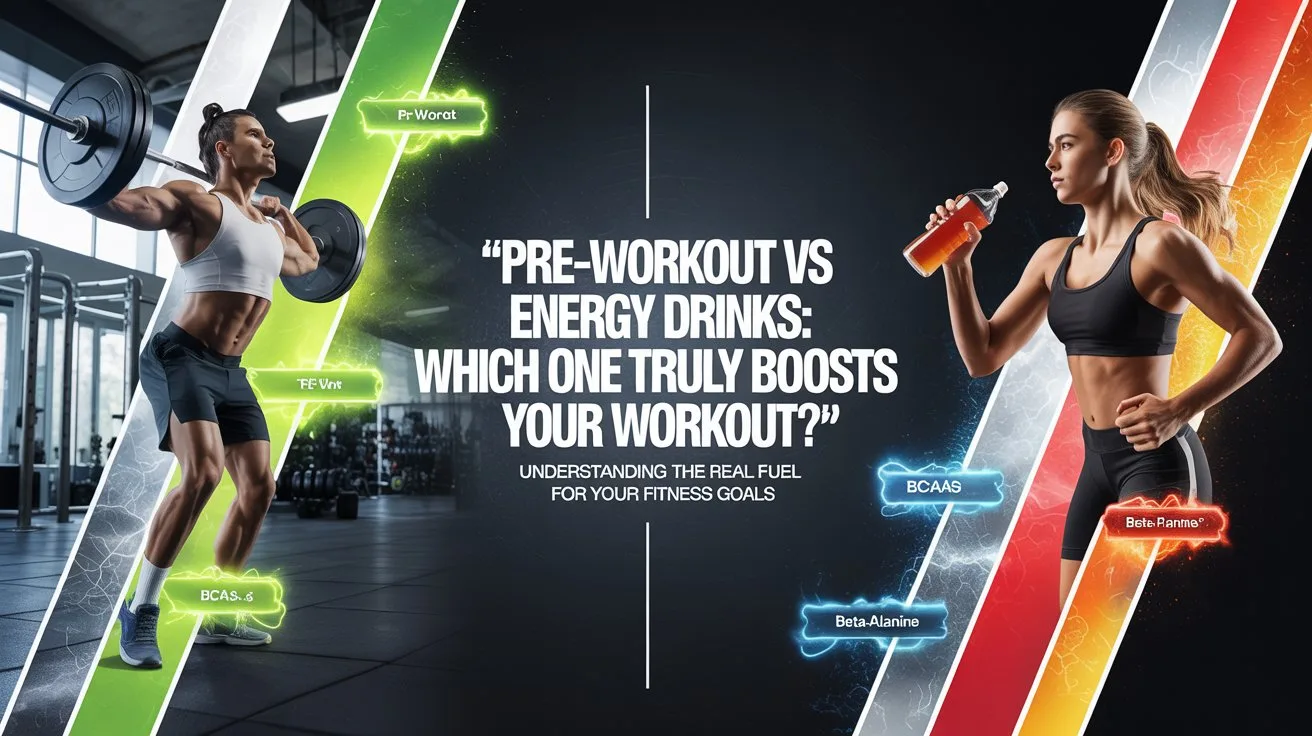
In the world of fitness and endurance training, many people find themselves choosing between pre workout supplements and energy drinks. Both are designed to deliver an energy boost, but the key difference lies in formulation and purpose. Pre workout supplements are specifically created to enhance physical performance, containing ingredients like beta-alanine, creatine, BCAAs, and nitric oxide boosters that directly support strength, endurance, and muscle function. In contrast, energy drinks typically focus on delivering quick energy and mental alertness, relying heavily on caffeine and sugar.
When it comes to pre workout vs energy drinks, it’s important to match the product to your fitness goals. Pre workout supplements are ideal for gym-goers seeking performance benefits like increased stamina, better muscle pumps, and improved recovery. On the other hand, energy drinks might be a convenient option for a general pick-me-up but often fall short when it comes to supporting structured workouts. For serious training and measurable results, pre workout remains the more targeted and effective choice.
Pre Workout vs Energy Drink: Understanding the Basics
Both pre workout supplements and energy drinks are created to provide a boost, but one is designed to help you with one kind of activity while the other is designed for another! The two can look similar, but their ingredients, benefits and uses vary significantly.

What Defines a Pre Workout Supplement?
Pre-workout supplements are specifically designed to improve athletic performance before exercise. They contain certain ingredients, such as caffeine, beta-alanine, creatine, and amino acids, with the main purpose of enhancing endurance, strength and focus when working out.
In training, these products can be taken anywhere from 20 - 30 minutes before training. It is marketed to athletes, fitness enthusiast and body builders wanting to push harder and recover faster.

- Specifically designed to enhance workout performance.
- Contains performance enhancing ingredients such as beta-alanine and creatine.
- May offer stimulant-free options.
- Made for gym-goers and athletes.
What Makes Energy Drinks Different?
Energy drinks, on the contrary, are mainstream beverages aimed at helping you overcome fatigue and enhance mental alertness. Energy drinks can include caffeine, taurine, B-vitamins and high sources of sugar.
Energy drinks are generally not considered with exercise in mind, they are considered more as a quick boost of energy when studying, driving, or working.
- Designed to provide regular alertness and energy.
- Often very high in sugar and artificial stimulants.
- Not formulated for post-exercise recovery or stamina/energy.
- A broad, non-athletic audience.
Key Similarities and Differences at a Glance

Ingredient Analysis: What Fuels Each Option?
When comparing pre workout vs energy drinks, the biggest difference lies in their ingredient profiles. Here's a breakdown of what fuels each option and how those components support (or hinder) performance.
Caffeine Content and Stimulants
Pre workout supplements typically deliver a controlled dose of caffeine (100–300 mg per serving), often blended with stimulants like green tea extract or sasasparilla to enhance alertness during workouts. In contrast, energy drinks may contain similar caffeine levels but often rely on added stimulants like taurine and guarana. However, excessive sugar and synthetic caffeine sources can cause quicker energy spikes—and sharper crashes—making pre workout vs energy drinks a critical comparison for those looking for sustained performance.
Nutrients and Performance Enhancers
Pre workouts are formulated with workout-specific ingredients such as beta-alanine (to reduce fatigue), creatine (for strength and recovery), branch‑chain amino acids (BCAAs for muscle repair), and nitric oxide precursors to enhance blood flow during exercise. Energy drinks rarely go beyond simple B-vitamins or amino acid blends, offering limited performance benefits. This makes pre workout vs energy drink a clear choice for athletes: pre workout provides targeted performance enhancers that support training, whereas energy drinks offer only general alertness.
Additives and Artificial Content
Shoppers need to examine labels closely. Many pre workouts promote clean or natural formulas with transparent ingredient lists and minimal additives. Conversely, many energy drinks contain artificial sweeteners, colorings, and preservatives that may contribute to long-term health concerns. Whether comparing pre workout vs energy drinks or pre workout vs energy drink, being mindful of artificial content helps you choose products that align with your health goals.
Pre Workout vs Energy Drinks for Performance
When evaluating pre workout vs energy drinks, it’s essential to assess how each impacts your workout outcomes. From boosting physical performance to mental clarity and sustained energy, both serve different roles — but not equally.
Physical Output and Muscle Support
Pre workout supplements come with ingredients such as creatine and beta-alanine, that enhance muscular endurance, decrease perception of fatigue, and provide enhanced blood circulation via nitric oxide boosters, which enhance blood flow and vessels to muscles. More reps, better pumps, and faster recovery. Energy drinks usually didn’t contain ingredients focused on performance, rather energy drinks mostly deliver temporary alertness with caffeine and sugar.
Mental Focus and Energy
Both types have an effect on mental performance, pre workouts often contain nootropics too, like tyrosine or alpha-GPC, that can help you focus on your cognitive skills without overstimulation. Energy drinks do deliver a hit of energy with sugar and caffeine, buz typically only stimulates energy without giving a sustained cognitive enhancement.
Timing and Effect Duration
A pre workout is designed to reach its peak effects within 30-45 minutes of consumption, and should last long enough throughout the entire training session. Energy drinks work quicker, due to sugar and the liquid nature of caffeine, however, may cause a crash mid session, especially during longer or intense workouts.
Health Impact and Side Effects
When thinking about pre workout vs energy drinks, its an important element to also consider the health implications, not just the potential benefits to performance, as well as also understanding the potential side effects, and who should be cautious. Just knowing this will help you to make a safer and more informed decision.
Side Effects of Pre Workout vs Energy Drink
Pre workout items typically contain very high amounts of caffeine, beta-alanine, and creatine. Common side effects can include:
- Tingling (due to the beta-alanine)
- Increased heart rate
- Upset stomach
- Insomnia if taken too late
Energy drinks generally mix caffeine with sugar and some kind of artificial ingredients. Side effects may include:
- Sugar crash following the initial spike
- The jitters and anxiety
- Dehydrated
- Heart palpitations due to too much caffeine, sometimes
Who Should Avoid Each Option?

Pre workout should be avoided or used with caution for:
- People with heart problems or high blood pressure
- Those who are sensitive to stimulants
- Pregnant or breastfeeding women (check with your doctor)
Energy drinks should be avoided for:
- Adolescents and children
- Individuals with issues with blood sugar (Like type 1 or type 2 diabetics)
- Anyone with individual risk of sugar crashes or sensitivity to artificial ingredients
Safe Usage Tips for Both
- If you are just starting with either option, start by taking a half dose.
- Stay hydrated before and after using either option to keep dehydration away.
- Avoid taking either option late in the evening so you can actually sleep.
- Check the labels for amounts of stimulants, and try not to mix to other caffeinated products.
FAQs
Q1. Is pre workout better than energy drinks for training?
Yes, in most cases, pre workout is specifically formulated with ingredients that support muscle performance, endurance, and focus, making it generally more effective than energy drinks for training purposes.
Q2. Can I use energy drinks as a pre workout?
You can, but they lack key nutrients like creatine or beta-alanine that true pre workout supplements offer. Energy drinks may give a short-term boost but are not optimized for workout performance.
Q3. Which lasts longer—pre workout or energy drink?
Pre workout typically offers a more sustained energy release due to its complex formulation, while energy drinks may spike and crash quickly due to sugar and fast-acting caffeine.
Q4. Are there sugar-free pre workouts like energy drinks?
Yes, many pre workout formulas now come sugar-free or naturally sweetened, offering clean energy without the sugar spike common in traditional energy drinks.
Q5. Which is more cost-effective long-term?
Pre workout supplements are usually more cost-effective per serving and are specifically tailored for training, whereas energy drinks can be more expensive and less targeted.
Conclusion: Choose Wisely for Your Fitness and Energy Needs
When comparing pre workout vs energy drinks, it is clear that both products can provide an energy boost, but they have different functions, different underlying formulations and they also last in different ways. Pre workout products are designed more towards excercise performance with the addition of ingredients such as beta-alanine, creatine, BCAAs and nitric oxide boosters. These products are specifically designed to aid endurance, focus and strength for you training session. In contrast, energy drinks are typically geared towards alertness, cognative performance or mental wakefulness. Energy drinks, particularly popular brands, often contain higher sources of caffeine and sugar and can lead to crashes or jitteryness and could lack practical nutrient ingredients for serious levels of training.
Regardless of whether you want better pumps, sustained stamina, or clean energy, both products should be chosen based on your individual fitness goals and tolerances. If you were to measure and weigh your performance and progression as a priority, pre workout is usually the best, more practical and sustainable option.


 +91 63528 07487

 225, Orchid Plaza, Sama-Savli Rd,
behind mc donald's, Vemali,
Vadodara, Gujarat, India 390008
225, Orchid Plaza, Sama-Savli Rd,
behind mc donald's, Vemali,
Vadodara, Gujarat, India 390008