

Whey protein is one of the most widely used and effective supplements in fitness and nutrition today. Whey protein is rich in essential amino acids that support muscle development and growth, weight management, and overall health. Just like millets provide many different vitamins and minerals for different requirements, the types of whey protein provide many different benefits for different fitness goals.
Whey protein comes in multiple types, with each type of whey protein being processed differently to fulfill various nutritional needs. Knowing the differences will help you reach your nutrition goals best.
Introduction: Why Understanding Types of Whey Protein Matters
When introducing whey protein recipes - no matter if you're using a simple whey protein smoothie, whipping up a stack of fluffy whey protein pancakes, or indulging in a guilt-free bowl of whey protein ice cream - knowing the types of whey protein matters. Each type serves a different purpose for your particular fitness level, dietary needs, and health objectives. Therefore, being aware of whey protein types, assist your optimal muscle growth, weight management, and overall wellness.
Benefits of Different Types of Whey Protein

Various types of whey protein have different advantages that can help you meet your needs:
- Whey Protein Concentrate: Great for general health, affordable, and a good choice for those who like to make a variety of whey protein recipes at home. It contains some fats and carbohydrates and it's filling.
- Whey Protein Isolate: Highly refined, lower in fat and carbs, a perfect addition to whey protein smoothies or whey protein pancakes if you are looking to build lean muscle or drop body fat.
- Hydrolyzed Whey Protein: Pre-digested for fast absorption, great for post workout recovery. Hydrolyzed whey protein can also be used innovatively to make whey protein ice cream to maintain high protein while enjoying a sweet treat!
By choosing, you will be able to match the protein you eat with your health objectives.
How Choosing the Right Whey Protein Impacts Fitness
The whey protein you use directly impacts your fitness progress:
- Muscle Builders: Isolate and Hydrolyzed Whey proteins quickly absorb, providing your muscles with important amino acids when you need them most.
- Weight Management: Concentrate offers an amount of nutrients that may help to control appetite, allowing you to manage caloric intake easily.
- Recovery: Hydrolyzed whey has the quickest absorption, so it supports faster muscle repair and recovery between workouts.
Getting bent on these whey protein recipes from breakfast smoothies to post-dinner ice cream will keep you honest and on the right path while eating.

100% Whey Protein (Chocolate Flavour) - 1Kg
Product Description:Indulge in rich, creamy decadence with Urjiva Nutrition 100% Whey Protein – Choc...
₹NaN
Buy Now
The Role of Protein Quality in Muscle Growth and Recovery
Protein quality is important, because proteins are not all equal:
- Whey protein is a complete protein meaning it has all 9 essential amino acids, which makes it great for muscle building.
- Thanks to whey protein's high bioavailability, your body will absorb and utilize this protein efficiently, whether you drink a whey protein shake or mix it into your whey protein pancakes.
- Higher protein quality promotes short term recovery and progressive long term muscle gains, so you can consistently get better and get closer to your fitness goals.
By making quality whey a staple in your diet, using various creative ways to make whey protein recipes, you'll set yourself up for continued health and fitness success.
Types of Whey Protein: Key Differences Explained

When you begin to delve into the world of whey protein recipes, whether you are going to be mixing up a creamy whey protein smoothie, flipping fluffy whey protein pancakes, or preparing a nice bowl of whey protein ice cream, knowing the differences in whey protein types is a key factor. Each type has its benefits and will work differently, based on your fitness goals and what nutritional value you need.
Whey Protein Concentrate: The Balanced Choice
Whey protein concentrate is typically classified as the most natural and economical choice. It contains approximately 70-80% protein, and only trace levels of fats and carbohydrates. Whey protein concentrate serves well for those wanting to maintain complete nutrition.
- Flexible for various recipes: Excellent for whey protein pancakes and whey protein smoothie recipes because it is easy to mix and has a good texture.
- Contains advantageous nutrients: Contains bioactive compounds, and nutrients that can assist immunity and digestion.
- Great for entry-level participants: Desirable for individuals who want to increase their protein intake and do not solely focus on strategies for fat loss or building lean muscle.
Whey protein concentrate is also slightly higher in fat and carbohydrates but fits well in recipes alongside other protein forms for daily use and can add flavor along with proper nutrition.
Whey Protein Isolate: The Purest Form for Lean Muscle
Whey protein isolate has the additional benefit of extra filtration to remove nearly all of the fat and carbohydrates, meaning you can get almost 90% protein content or more. This makes it a perfect option for anyone looking to build lean muscle mass or cut fat.
- Great for weight management: easily incorporated into low-calorie whey protein smoothie recipes which can help support fat loss and muscle retention.
- Low lactose: easier on digestion for those that are lactose sensitive.
- Ideal for lean muscle growth: rapid absorption helps with muscle repair and growth following workout.
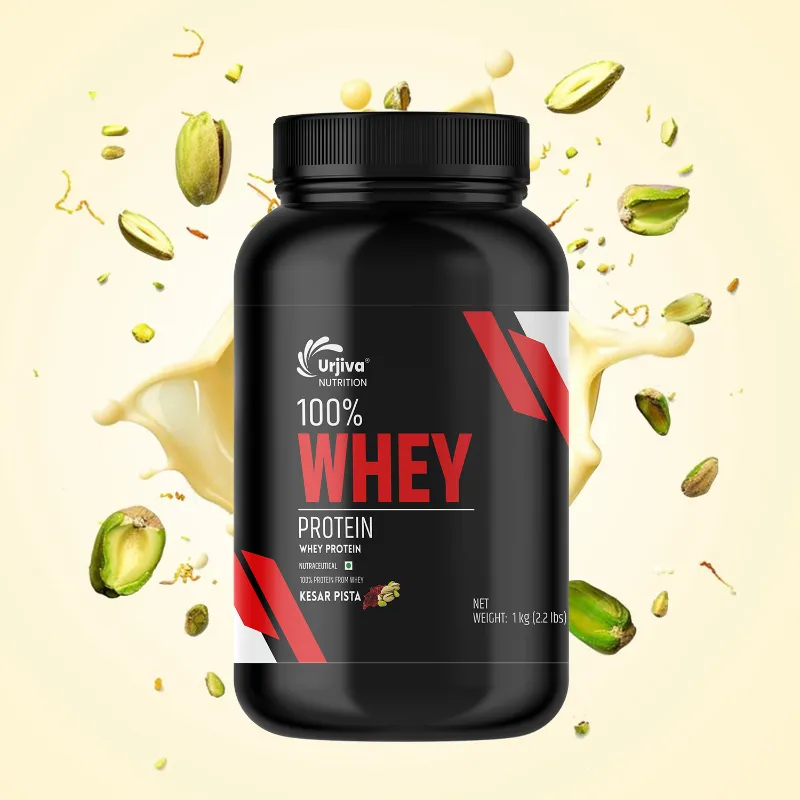
100% Whey Protein (Kesar Pista Flavour) -1Kg
Product Description:Experience royalty in every scoop with Urjiva Nutrition 100% Whey Protein – Kesa...
₹NaN
Buy Now
Whether you're stirring into a refreshing whey protein smoothie, or baking into lighter whey protein pancakes, isolate gives you the purest protein possible without all the extra calories.
Hydrolyzed Whey Protein: The Fast-Absorbing Recovery Option
Hydrolyzed whey protein is partially broken down into smaller peptides, so your body can absorb it even quicker. It’s no wonder hydrolyzed whey protein is an excellent option for post-workout recoveries, when your muscles absolutely require nutrients.
Here is some more information to help you understand how hydrolyzed whey protein can help you recover faster after prolonged exercise.
- Rapid absorption: Hydrolyzed whey protein quickly delivers amino acids to muscles for speed and efficiency in recovery.
- Easy on digestion: With this type of whey protein, the digestion process has already started, so it is much easier, and gentler, on your stomach.
- Ideal for serious training: Since hydrolyzed whey protein offers the fastest repair and recovery for muscles, it is perfect for athletes, and serious fitness fanatics.
Even better, you can use hydrolyzed whey protein as an alternative in creative whey protein recipes - like whey protein ice cream - so you can recover while treating yourself with something sweet after working out.
Whey Protein Isolate vs Whey Protein: Which Should You Choose?

As you assess and review various recipes that use whey protein, knowing the differences between whey protein isolate and regular whey protein (concentrate) can help you make better selections. If you're making a whey protein smoothie for your post-workout recovery, a fluffy whey protein pancake, or simply enjoying whey protein ice cream guilt-free, the type of whey protein you use makes a difference.
Key Nutritional Differences Between Isolate and Concentrate
- Whey Protein Concentrate: Contains approximately 70-80% protein by weight, a small percentage of fat, a small percentage of carbohydrates, and a small percentage of lactose. It retains more natural nutrients and the creamy consistency and flavor from the fats and carbohydrates that work great in any whey protein recipe.
- Whey Protein Isolate: Contains 90% or more protein, with very little, if any, fat, carbohydrates, or lactose. The isolate is more refined than concentrate, which makes it easy to see why it's the choice for anyone looking to maximize their protein with minimized calories and lactose.
- When making a whey protein smoothie or whey protein pancakes, both styles of whey protein mix quite easily, but the isolate will provide you the most protein with the least amount of extras.
When to Choose Whey Protein Isolate Over Regular Whey
- Fat Loss & Weight Loss: Isolate is perfect for calorie-controlled diets being it has very little fat and carbs since you're just adding protein to low-calorie whey protein smoothie recipes or lighter whey protein pancakes keeping you on track with your calorie count.
- Lactose Intolerance: Isolate is essentially lactose-free, making it easier for digestion in those with lactose-intolerance.
- Muscle Recovery: Post-work shakes with isolate deliver quick protein to muscles for faster recovery, which makes them very suitable as post-gym whey protein smoothies.
Cost vs Benefit: Is Isolate Worth the Extra Price?
- Higher Cost: Isolate is usually more expensive, because it goes through an additional filtration.
- Nutritional Value: If your goal is serious lean muscle gain, fat loss, or have lactose problems, then the money may be worth it.
- General use: For general use and everyday whey protein recipes like whey protein ice cream or leisurely whey protein pancakes (that are not for weight gain), concentrate is typically suitable, less expensive, and still very nutritious.
Ultimately, both forms are high-quality protein. You should consider the rationale for your use of whey protein in your daily meals, and what your personal goals and dietary needs are.
Whey Protein vs Plant Protein: Which is Better?

When creating a meal plan with a variety of whey protein recipes, it's important to understand if whey protein or plant protein is right for your goals. Both have their advantages, and the decision on which one is best for you may influence everything from your whey protein smoothie to your batch of whey protein pancakes to your refreshing bowl of whey protein ice cream.
Comparing Protein Quality and Amino Acid Profiles
Digestibility and Absorption Rates Which Option Fits Your Dietary Preferences?
- Whey Protein:
- Best for those who consume dairy and want fast-acting, highly effective protein.
- Ideal for those using protein regularly in whey protein pancakes, whey protein ice cream, and whey protein smoothies.
- Plant Protein:
- Perfect for vegans, vegetarians, or those with dairy allergies.
- Can still support muscle growth but may require more careful planning to match the benefits of whey.
Whey vs Pea Protein: Head-to-Head Comparison

When formulating your nutrition plan, and especially if you like to create recipes with whey like pancakes, smoothies or even ice cream, the decision of using whey vs pea protein can be quite contradictory. Both have good qualities, but they fulfill, based on individual goals and needs, different requirements, sensitivities, and preferences in diet.
Nutritional Benefits of Whey vs Pea Protein
- Whey Protein:
- Whey protein is categorized as a complete protein source and has all nine essential amino acids required by your body for optimal functioning.
- In addition, it has a high level of BCAAs, which is vital for building and repairing muscles.
- Since whey is rapidly assimilated, it’s ideal for consumption after workouts.
- Great for use in different recipes with faces of smoothie, pancakes and even ice cream with whey protein as ingredients.
- Pea Protein:
- Pea protein is derived from plants and free of allergens, so it is an allergy- friendly choice for vegans and the lactose intolerant.
- Though it has a good quantity of proteins, it is somewhat deficient in amino acids such as methionine.
- Blended with other plant sources of proteins like rice protein to enhance the constituents of amino acids.
Muscle Gain and Recovery: Which Performs Better?
- Whey Protein:
- Has the highest efficacy in post-workout recovery and muscle building due to its rapid absorption and high leucine content.
- Consumption of whey protein supplements, especially in the form of smoothies, post workouts or exercise sessions assist in further enhancement of recovery.
- Pea Protein:
- Although it helps in muscle building, pea protein is also known for being less efficient with muscle protein synthesis when compared to whey.
- Best suited for those following a plant based diet or for steady protein intake throughout the day.
Allergies, Sensitivities, and Digestive Concerns
- Whey Protein:
- Somewhere along the line, a person might incur lactose intolerance or dairy sensitivity issues roughly with intake of whey concentrate.
- A much more digestible option is whey isolate, which contains almost all lactose removed.
- Dairy lovers can easily make whey protein pancakes, whey protein ice cream, and other such recipes where whey protein is used.
- Pea Protein:
- Contains no known dairy, gluten, or most of the commonly accepted allergens.
- Is more suitable for the individuals that are considered highly sensitive to dairy and lactose.
- Supported by people not directly attached to the fitness world and other plant based diet supporters.
Choosing the Right Type of Whey Protein Based on Your Goals
Choosing the best type of whey protein is critical to attaining personal fitness goals whether you are planning meals or working on recipes like whey protein smoothies, pancakes, or even ice cream. Each type contributes to different goals, be it fat loss, muscle gain, or general health.
Best Type of Whey Protein for Weight Loss
Whey protein isolate is often the top choice for weight loss due to its high protein content and low fat and carbohydrate levels. Its purity makes it ideal for calorie-controlled whey protein recipes. You can easily blend it into a low-calorie whey protein smoothie or enjoy a light whey protein pancake for breakfast. Even guilt-free treats like whey protein ice cream can fit into a weight loss plan while satisfying sweet cravings without extra calories.
Whey Protein Isolate:
- Has 90% or more protein per serving while containing minimal fats and carbohydrates.
- Ideal for calorie controlled diets as it is low in calories.
- Easily added to low-calorie snack options like smoothies and other protein-rich snacks.
- Supports loss efforts by controlling hunger and aiding in satiety.
- Why whey protein isolate is effective for weight loss:
- Moderately fast absorption enhances muscle preservation during fat loss.
- People with some sensitivity to lactose can still enjoy this as it is easy to digest.
Best Type of Whey Protein for Muscle Building
For building muscle, two great options are whey protein concentrate or hydrolyzed whey protein. They offer an abundant supply of amino acids, especially BCAAs, which aid in repairing and growing muscles. Whey protein post-workout smoothies, protein-filled pancakes for breakfast, and even dessert like protein-rich ice cream are all recipes you can use for supporting recovery.
- Contains 70-80% protein and some healthy fats and carbs, providing additional calories essential for muscle growth.
- With protein, comes a good amount of BCAAs, which are vital for muscle repair and synthesis. This means an excellent amino acid profile.
- Best for use in recipes that need a richer texture like pancakes or ice cream for their corresponding protein.
- Whey Protein Hydrolysate:
- Has the fastest absorption rate.
- best for post-workout protein shakes with an immediate recovery focus.
- Works excellently when blended into a whey protein smoothie after intense training sessions.
Daily Use Considerations for Long-Term Health
Integrating whey protein into your daily habits can promote long-term wellness by preserving muscle mass, enhancing metabolism, and curbing appetite. As always, balance is crucial when preparing your meals; looking to avoid overconsumption should motivate you to keep portion sizes moderate. For easier meal preparation, make sure to have nutrient-packed whey protein smoothies, or start your day off with satiating whey protein pancakes, and even fulfill a sweet tooth with low-sugar whey protein ice cream. Sustained, mindful consumption makes maintaining proper protein intake effortless for your whole life.
Whey isolate is easier to digest for most individuals due to reduced lactose content.
- Widely accepted as easier to digest among those with sensitive stomachs.
- Concentrate retains more natural nutrients from the milk source, offering additional vitamins and minerals.
- Supports the overall protein intake for better metabolism, function, and immune health.
- Filling in the recipe allows for easy integration into breakfast smoothies, protein pancakes, and even frozen desserts such as whey protein ice cream.
- Daily use may support metabolism, muscle mass, and contribute to balanced nutrition.
FAQs
Q1 What are the main types of whey protein?
The main types used in whey protein recipes include whey concentrate, isolate, and hydrolysate, each offering unique nutritional benefits.
Q2 How is whey protein isolate different from whey protein?
Whey protein isolate is a purer form with higher protein content and less lactose, perfect for whey protein smoothies and low-calorie whey protein recipes.
Q3 Is whey protein better than plant protein?
For muscle recovery and versatility in whey protein pancakes or whey protein ice cream, whey protein often provides superior amino acid content and absorption.
Q4 Which is better: whey vs pea protein?
Whey protein offers faster digestion and better muscle support, making it ideal for whey protein recipes, while pea protein suits vegan diets and allergy concerns.
Q5 Can I combine whey protein with plant protein?
Yes, blending both can create a complete profile for your whey protein recipes, improving both digestibility and nutritional balance in meals like whey protein smoothies or snacks.
Conclusion: Choose the Right Type of Whey Protein to Match Your Fitness Goals
Choosing the correct type of whey protein specifically tailored to an individual's requirements such as for weight loss, muscle gain, or general wellness entails considering the features of each type of whey protein.
What matters the most, however, is that regardless of which option is selected, it can be integrated seamlessly into daily meals through multiple whey protein recipes.
Align Your Goals with Natural Whey Protein
For Weight Loss:
Isolate has the highest protein level from all types of whey and its carb and fat content is minimal giving it appetite suppressing and muscle mass retaining properties.
Incorporating it into low calorie or light smoothies and pancakes are great ways to create satisfying and nutritious meals.
For Muscle Building:
- Whey protein concentrate or hydrolyzed whey deliver the extra nutrients and easier to absorb protein which is available post workout essential for muscle recovery and growth.
- These serve well for post workout whey protein smoothie recipes or richer and nutrient dense whey protein ice cream for muscle recovery.
For Overall Wellness and Convenience:
- Can help maintain a positive nitrogen balance which boosts metabolism further aiding in weight and fat loss while being incorporated into everyday meals like breakfast, lunch, and dinner.
- Get the day started right with some delicious homemade whey protein pancakes, quick smoothies, or dessert-like whey protein ice cream.
Consistency is Key
- Achieving long-term results hinges on maintaining a commitment to both your diet and workout routine, regardless of the brand of whey protein you choose. Enjoying the process and meeting your protein goals becomes a lot easier when you creatively incorporate delicious whey protein recipes into your meal plan.
- Enjoying whey protein doesn’t need to feel monotonous. From refreshing whey protein smoothies to indulgent pancakes and even guilt-free ice cream, reaching your fitness goals has never been easier.


 +91 63528 07487

 225, Orchid Plaza, Sama-Savli Rd,
behind mc donald's, Vemali,
Vadodara, Gujarat, India 390008
225, Orchid Plaza, Sama-Savli Rd,
behind mc donald's, Vemali,
Vadodara, Gujarat, India 390008