


BCAAs, which stands for branched-chain amino acids, are important nutrients that help support muscle development and recovery. BCAAs are made up of three specific amino acids: leucine, isoleucine, and valine. These three amino acids are essential because the body cannot manufacture them, so they must be consumed through food and/or supplements. Athletic women and men today have often found BCAAs helpful in repairing muscle, minimizing fatigue in workouts, and enhancing endurance for overall athleticism.
So, what does BCAA do? BCAAs assist with muscle protein synthesis, which is the process of building new muscle after an activity. BCAAs can also be an efficient energy source during strenuous exercise. They may also help with muscle soreness after exercise. There are various types of BCAA supplements on the market today, but generally, the most popular form is BCAA powder. What is BCAA powder? BCAA powder is a flavored or unflavored powdered form of BCAAs that can be easily mixed in water, smoothies, shakes, etc. It is easy to consume BCAAs in powder form while also fueling workouts and promoting recovery. Whether you are a completely novice fitness person or a serious athlete, BCAA supplementation may offer a great benefit for performance.
Introduction: Understanding BCAAs and Their Role in Fitness
Branched-Chain Amino Acids, commonly abbreviated as BCAAs, are a group of three essential amino acids that are particularly important for muscle building, muscular recovery and athletic performance in general. Unlike non-essential amino acids, BCAAs cannot be produced naturally by the human body and must be taken in through food or supplements. For those who lead an active lifestyle or compete as an athlete in sport who continuously challenge themselves, BCAAs are particularly useful as they aid in muscle repair and recovery, and lower the amount of soreness after working out.
When someone asks "what does BCAA do?", the simple answer is: BCAAs provide energy to your muscles during exercise, help to recover quicker after exercise and prevent the loss of lean muscle mass. Whether you are a strength training athlete, an endurance sport athlete or new to exercise, BCAAs can help improve your overall workout results and decrease the amount of fatigue after training.
What Are BCAAs and Why Are They Important for Athletes?
What exactly are BCAAs? BCAAs are a group of three essential amino acids--Leucine, Isoleucine, and Valine-- that are called "branched-chain" because they have a unique chemical structure. These amino acids are vital for muscle protein synthesis, energy, and reducing muscle breakdown during and after training.
For athletes, BCAAs are important because if you are training at a very hard intensity, muscle fibers are damaged. BCAAs will help:
- Rapidly recover and repair muscle
- Reduce delayed onset muscle soreness (DOMS)
- Improve endurance during prolonged exercise
- Help to preserve lean muscle mass while dieting with limited calorie intake
In other terms, BCAAs are the building blocks of muscle and fuel that supports high quality training.
BCAAs vs Essential Amino Acids: What’s the Difference?
Amino acids are typically divided into two classifications: Essential Amino Acids (EAAs) and Non-Essential Amino Acids. Essential amino acids are those composed of nine amino acids that are to be taken in through the diet. BCAAs are a sub-category of EAAs, and consist of Leucine, Isoleucine, and Valine.

Amino acids are typically divided into two classifications: Essential Amino Acids (EAAs) and Non-Essential Amino Acids. Essential amino acids are those comprised of nine amino acids that are to be taken in through the diet. BCAAs are a sub-category of EAAs, and consist of Leucine, Isoleucine, and Valine.
The Science of BCAA Structure: Leucine, Isoleucine, and Valine
Some things to note about BCAAs (Branched-Chain Amino Acids) are that they are uniquely structured with a branched structure, which is metabolized directly in the muscle, not the liver. This unique structure allows BCAAs to be a rapid source of energy during stress and intense exercise.
Now let's break down each BCAA component:
- Leucine: The primary amino acid that initiates muscle protein synthesis. Leucine is the most essential amino acid to muscle repair and growth.
- Isoleucine: Primarily allows for glucose uptake into cells, enhances endurance and supports energy generation.
- Valine: Supports muscle tissue repair and regulates the immune system.
So, when athletes consume a BCAA powder, they are receiving a specific ratio of these three amino acids; for instance, 2:1:1 (Leucine:Isoleucine:Valine) is often sold as a successful ratio for muscle recovery.
What Does BCAA Do in the Body?
When first learning about BCAA supplements, many people may ask, what is BCAA powder and how does it help? In layman's terms, BCAA powder is simply a concentrated form of Branched-Chain Amino Acids (BCAAs) - Leucine, Isoleucine, and Valine - and in a water-soluble form. BCAA powder is intended to mix easily in water or other beverages for easy use anytime before, during, or after your workout.
Although the BCAAs are in food that is high in protein, ingesting them in powder form is superior because they absorb into the body faster and allow easier control over the dosage. For fitness enthusiasts and athletes, BCAA powder is a fast way to get BCAAs and to ensure that you are providing your body with the amino acids it needs to ensure it has everything it requires for muscle repair, energy, and endurance.
Muscle Protein Synthesis and Recovery Support
One of the most notable answers to the question of what BCAA does is it has been shown to stimulate muscle protein synthesis. Of the three BCAAs Leucine is the most important in turning on a pathway in the body that activates muscle-building mechanisms.
When you exercise you tear your muscle fibers so that your BCAAs, if you used BCAA powder supplements, are functioning properly, and you restock the amino acids you need to repair your muscle fibers before you start using them again. The ultimate goal is to rebuild your muscle fibers to be bigger and stronger so that next time you are able to lift more weight or perform more volume. This is why BCAA is so popular for post-workout uses by athletes and fitness enthusiasts- it is one of the quickest ways to recover and optimize muscle development.
Key Benefits:
- Speeds up post-exercise muscle repair
- Builds lean muscle
- Decreased muscle soreness (DOMS)
Fatigue Reduction and Endurance Enhancement
During long and hard exercise, there are lower levels of BCAAs in the bloodstream, which leads to an increase in serotonin in the brain. The elevated serotonin levels cause feelings of tiredness and fatigue. Supplementing with BCAAs can slow that process down. Thus, you'll experience a less fatigued state in exercise.
So if you're asking, what does BCAA do to improve endurance, the answer is BCAAs minimize fatigue in the central nervous system and support muscle performance. When you take BCAA powder before and/or during your workout, you will help support your energy stores and sustain length and intensity in your workout.
The Key Benefits are:
- Delays muscle fatigue
- Raises workout duration and intensity
- Enables consistent athletic performance
Energy Boost During Intense Workouts
Another key part of what BCAA do is energy production. During a strenuous set or exercise bout the body may run low on carbohydrates and use BCAAs as an alternate energy source. Due to their branched molecular structure, BCAAs are quickly broken down in muscle tissue to provide fast energy.
BCAA powder is often used as an intra-workout drink by athletes to help manage stamina and keep energy from crashing during a workout. This rapid energy support comes in handy for intense training sessions such as high-intensity interval training (HIIT), endurance sports, or weightlifting.
Benefits:
- Serves as a quick energy source during training.
- When glycogen levels are depleted, it may help maintain intensity in your workout.
- BCAAs provide support for exercises performance for endurance without any stimulants.
What Is BCAA Powder and How Should You Use It?
When individuals first learn about BCAA supplements, they often think about what BCAA powder is and why it might be beneficial. BCAA powder is simply a concentrated form of Branched-Chain Amino Acids (BCAAs)—Leucine, Isoleucine, and Valine—that dissolves in water. BCAA powder can be mixed in with water or another beverage for use pre-, intra-, or post-exercise for ease and convenience.
Although BCAAs are naturally found in protein-rich foods, taking a supplement in powder form allows for faster absorption and easier dosage control. For exercise enthusiasts and athletes, BCAA powder is a rapid and effective way to obtain amino acids that support muscle recovery, energy production, and exercise endurance.
Different Forms of BCAA Supplements: Powder, Capsule, Liquid
BCAA supplements are available in multiple formats to fit each individual's taste and lifestyle. Each format has unique benefits, yet BCAA powder is most sought after due to its versatility and quicker absorption rate.
- BCAA Powder: Easiest to mix with water or sports drinks. Ideal for hydration during a workout and faster delivery to muscles.
- BCAA Capsules/Tablets: Somewhat convenient for individuals who are frequently on the go. They typically breakdown slower than powder.
- BCAA Liquid Shots: Individual servings that are ready to drink, easy if consumed immediately after opening. Often sold in smaller dosages.
What is the main benefit of BCAA powder? You have more options for serving size, better flavor choices, quicker uptake, allowing serious athletes to use powder as their supplement of choice.
How to Mix and Take BCAA Powder for Best Results
Timing and preparation are two of the most important components of optimizing the use of BCAAs. For optimal results from your BCAA powder, just follow these simple guidelines:
- Mixing Directions: Add 1 scoop (the typical 5-10 grams) of BCAA powder to 200-300 ml of cold water. Stir or shake the container until your drink is dissolved.
- Best Timing: Take BCAAs (1) 15-30 minutes before your workout, which will help reduce fatigue; (2) during workouts, taken as a sip every 10-15 minutes to aid endurance; or (3) post-workout for a body needing recovery.
- How Many Times a Day: The optimal consumption use is 1-2 servings per day, determined by the amount and level of physical activity.
You're probably asking yourself, what does BCAA do when it's taken around workouts? Well, BCAAs will help maintain energy levels, maintain muscle repair, and reduce soreness after exercise, which may give you that slight edge over your competitor in training.
BCAA Powder vs Whole Food Amino Acids
BCAAs are present naturally through foods such as chicken, eggs, dairy, and legumes, but they are not as concentrated and will be absorbed much slower than supplements would. Below is the comparison of BCAA powder versus food sources:

Whole food sources contain a wide variety of nutrients, whereas BCAA powder is more isolated and targeted towards workout recovery and endurance; therefore, it is often the best option for individuals with high training loads..
Benefits of BCAA for Muscle Growth and Performance
BCAAs? The big reason they are so popular is because of their effects relating to muscle growth and athletic performance. BCAAs — Leucine, Isoleucine, and Valine — are a key part of muscle protein synthesis, energy production, and delaying exercise fatigue. Regardless if you are new to fitness or are a professional athlete, knowing what BCAA does for your muscles will help you optimize your workouts and recover better afterward.
BCAA powder (as opposed to protein powders or supplements) are a highly focused source for just these three amino acids at therapeutic doses, since BCAA powder is absorbed quicker than regular protein and works far better (more quickly) for performance or endurance in general, and also muscle maintenance.
Building Lean Muscle Mass with BCAAs
One of the most popular questions about what BCAA do is regarding their impact on building and maintaining lean muscle mass. Of the three BCAAs, Leucine is known to trigger the mTOR pathway, which stimulates the muscle protein synthesis pathway, this is necessary for your muscle to grow, especially after resistance training or high-intensity workouts.
When consumed before or after exercise in the form of BCAA powder, the body is supplied with the building blocks required for muscle repair and growth! BCAAs supplements are absorbed quickly compared to whole protein sources, thus enabling the muscles to repair and grow as quickly as possible, while whole protein sources take time to be digested and absorbed especially as a post-workout supplement.
Key benefits:
- Stimulates muscle building processes
- Increases lean muscle development without excess fat
- Helps maintain definition and tone for men and women
Preserving Muscle During Cutting or Fasting
For people in a caloric deficit—either to lose weight or to recompose their bodies—maintaining muscle mass can be a challenge. This is when BCAA supplementation is most useful. When the body has depleted its glycogen stores during fasting, cutting, or high-intensity cardio, it can start breaking down muscle tissue for energy.
What does BCAA do in these cases? BCAAs act as an alternative source of energy, but most importantly, prevent the breakdown of muscle proteins. If you are able to maintain lean muscle with BCAAs, then it is likely that you are losing weight only from fat tissue, not muscle.
Incorporating BCAA powder during intermittent fasting, caloric restricted diets, or long cardio session helps:
- Preserve muscle and protects it from catabolism (breaking down muscle)
- Maintain strength and muscle mass through periods of weight loss
- Provides a clean source of energy for yourself without supplying extra calories
Improving Recovery Time and Reducing Soreness
Post-exercise muscle soreness or DOMS (Delayed Onset Muscle Soreness) can seriously limit how frequently you train. BCAAs possess muscle-repairing qualities, which can help to lessen muscle damage, and expedite recovery.
Taking a BCAA powder after a workout allows the muscles to have the amino acids they need to begin the repair process faster than whole proteins. This allows athletes to recover quicker from strenuous training sessions and continue training often.
Recovery Specific Benefits:
- Reduces muscle soreness after workouts.
- Speeds up the muscle tissue repairing or healing.
- Allows for greater training consistency without fatigue build up.
When and How to Take BCAA for Maximum Results
Just knowing what BCAAs are is only half the battle — the other half is knowing when and how to take the BCAAs for maximum benefit. Whatever your intention may be (muscle-building, endurance improvement, or recovery enhancement), how you take BCAAs at the proper times will make all the difference. A lot of athletes and fitness enthusiasts choose to take BCAA powder because it is the most rapidly absorbed, and one can optimize their intake to take around workouts to maximize their output.
So, what will BCAAs do if you take them at various times of the day? We would like to provide a breakdown of the best times and best usage of BCAAs for any kind of beneficial impact.
Pre-Workout, Intra-Workout, and Post-Workout Timing
One of the most frequently asked questions is - what is BCAA doing before, in the middle of and after a workout? Well, the answer is ultimately dependent on your fitness goals. Here is how BCAA powder timing can make a difference:
- Pre-Workout (15-30 mins before exercise) - consuming BCAA powder before working out can help prevent muscle breakdown and provides an initial boost in endurance.
- Intra-Workout (taken as sipped during exercise) - BCAA can be taken during workouts to maintain energy levels during your session, to avoid central fatigue and to feed your muscles for a longer workout.
- Post-Workout (consumed within 30 mins after exercise) - post workout BCAA powder enables muscle repair, minimizes soreness, and begins protein synthesis.
Although each timing serves a specific nutritional purpose, generally speaking in planning for a physically demanding training program combining pre- and intra- workout BCAA intake would be advisable for consumption before exercise for sustained performance.
Daily Dosage Guidelines Based on Goals
Your daily intake of BCAA powder really just depends on your training goals and training intensity. The basic outline is this:

If you are asking how much BCAA powder is enough for maximum benefits, I suggest you start with 5 grams per serving and adjust from there based on training load and recovery. It's preferable to ensure an even intake of BCAAs, with a 2:1:1 ratio of Leucine:Isoleucine:Valine.
Can You Take BCAAs on Rest Days or While Fasting?
Definitely. One of the best advantages of BCAAs is the flexibility to use them outside of workout sessions.
On Rest Days: Even if you're not training, BCAA powder is helpful to continue muscle protein synthesis, support recovery, and to avoid losing muscle, specifically during extended recovery times, or during an injury phase.
While Fasting: The body may have started to use muscle tissue for energy upon entering the fasting state during intermittent fasting or food restriction. This is where what BCAA does matters - in terms of providing a good energy source in regards to muscle recovery performance, and provides some protection towards lean muscle without breaking the fast.
- Below are the reasons why using BCAAs on rest days or fasting is helpful:
- Prevent muscle catabolism during calories deficit
- Help repair muscle on rest days
- Help minimize energy loss and prevent fatigue during fasting periods
BCAA-Rich Foods vs BCAA Supplements
When learning what are BCAAs?, typically the next question is are BCAAs coming from food versus supplements. Both can be a positive thing, but for those with serious performance and/or fitness goals it is really important to understand this balance. Since foods that are BCAA-rich are often more nutrient dense in many nutrients and provide amino acids, BCAA(s) powder will provide a dose of BCAAs and amino acids that are specific for workout performance and recovery that is more convenient and more concentrated.
So, what does BCAA do in both? When consumed in whole form or supplements BCAAs help muscle recovery, reduce fatigue and give your body a go in endurance work. The difference is the amount, absorption rate, and convenience.
Top Natural Food Sources of BCAAs
BCAAs are plentiful in several foods that are a rich source of protein. If you prefer natural sources, here are some of the best ones:

Not only will the foods give you BCAAs they will also supply other nutrients like vitamins, minerals, and healthy fats. Nevertheless, the amount of BCCAs from whole foods may not always be sufficient to support optimum workout recovery or performance.
When to Rely on BCAA Supplements
Whole foods are a great choice for optimal health; however, there are circumstances when BCAA powder can be important:
- Pre or during training. When someone is looking for immediate energy and endurance.
- After an intense workout, for muscle recovery and soreness.
- When someone is dieting, for muscle preservation during calorie deficits and value-adjustment.
- As an easy option for kitchen prep and lifestyle where meal prep and timing and life do not allow meal prep.
The single biggest perk for BCAA powder is its rapid absorption and precise dosing. It provides a way for athletes to quickly and precisely fuel up their muscles with the essential amino acids (EAAs) without having to eat dry or liquid meals that may be unrealistic if needing to consume pre or intra-training.
Therefore, in these scenarios, BCAA powder is a convenient option for quick muscle support before and during athletic events, especially in the key training periods.
Are Plant-Based Sources Enough for Athletes?
It can be hard for vegetarians and vegans to get enough BCAAs from plant-based sources. Foods like lentils, quinoa, tofu, and nuts have BCAAs, but they are all relatively low in BCAAs compared to the proteins found in animal products. Plant-based proteins also don't always provide an ideal mix of all essential amino acids.
What does BCAA do for plant-based athletes?
BCAA (branched-chain amino acids) powder can help plant-based athletes recover and perform by making sure they have sufficient amounts of Leucine, Isoleucine, and Valine available. Some things to remember: Plant-based diets can meet BCAA needs, but may take a little more effort and careful meal planning. Vegan BCAA supplements work to fill the gap for athletes with higher demands. BCAA powder is a clean and straightforward addition to a plant-based lifestyle.
Common Misconceptions and Myths About BCAA
When people first try to uncover what BCAAs are, they usually encounter varied information that is often led by myths and misunderstandings. Despite the well-researched benefits of BCAAs, some people continue to think they only apply to bodybuilders or they think they come with unwanted weight gain. Actually, knowing what BCAA do and how they work can be a great way to dispel myths. When you use either BCAA powder or you get BCAAs from food, these amino acids provide you with specific support for muscle recovery, as well as endurance and performance - no matter what level of fitness you are at.
Let's bust some of the most common BCAA myths.
Do BCAAs Make You Gain Weight?
A common and false belief of BCAAs (Branched Chain Amino Acids) use is that people assume supplementing a billion or so will make them instantly gain weight. Actually, the activity of BCAA in the body is significantly different than causing the consumption of excess calories or fat containing substance - and the BCAAs are low in calorie per se, and when BCAA powder is consumed - quite often there are little to no calories!
BCAAs are helpful in muscle maintenance and growth; and do not cause, by definition, fat gain, • Weight gain only occurs in a caloric surplus, not from supplementing with, or eating additional amino acids. As a side note BCAAs may help maintain fat loss because they may help maintain lean muscle during a caloric deficit so the weight you may lose is fat and not muscle.
Are BCAAs Only for Hardcore Bodybuilders?
Another reason for misunderstanding about BCAA’s is the idea that only professional athletes and die-hard lifters can benefit. Not true. Whether you are just starting, attending the gym casually, or love moving, you can take advantage of BCAAs.
For those who workout in regular or casual capacities: How BCAAs benefit is through muscle recovery after workouts and decrease soreness, and maintain energy. Anyone can use BCAA powder prior to, or during, workouts so they minimize time recovery for scheduled workouts, regardless of intensity.

Is It Possible to Take Too Much BCAA?
Even with BCAAs, moderation is important. BCAA supplementation on a regular basis is perfectly safe for you, but just because you can take it, doesn't mean that taking more will make the results any better. The body takes the amount of BCAA needed for muscle repair and energy and uses it. Taking more than that doesn't produce any more of a benefit to your body, it could have possible consequences with regards to your metabolism.
One of the questions I've seen is "But what does BCAA do if you take too much?", which isn't a far-fetched concern. Taking too many BCAAs won't be completely without side effects, at best minor side effects will occur like stomach discomfort or an imbalance in your amino acids. Staying within the recommended serving sizes (5-10 grams per serving) of BCAA powder will give you the most optimal support without any risks.
- The rules of thumb are:
- Use recommended serving sizes depending on your fitness goals.
- Don't exceed 10-20 grams a day as a general rule of thumb- depending on how hard you are working out.
- And when in doubt, consult with your doctor.
Frequently Asked Questions (FAQs)
1. What are BCAAs used for in fitness?
BCAAs are used to support muscle recovery, reduce workout fatigue, and promote muscle growth. They help fuel muscles during exercise and assist in faster repair post-workout.
2. What does BCAA do if I take it before or after a workout?
Taking BCAAs before a workout reduces muscle breakdown and improves endurance. After a workout, BCAAs help repair muscles and reduce soreness, aiding faster recovery.
3. What is BCAA powder good for vs. whole food sources?
BCAA powder offers a fast, concentrated dose of essential amino acids, ideal for immediate pre, intra, or post-workout use. Whole foods provide BCAAs but digest slower and come with additional nutrients.
4. Are BCAA supplements safe to use every day?
Yes, daily BCAA supplementation is generally safe when taken within recommended dosages. It supports consistent muscle recovery and performance for active individuals.
5. Should women take BCAA too ?
Absolutely. BCAAs are beneficial for women to support muscle tone, reduce fatigue, and enhance workout recovery. They are safe and effective for all fitness levels.
6. Can I use BCAA without working out?
Yes, BCAAs can be taken on rest days to support muscle repair and prevent muscle loss, especially during calorie restriction or fasting.
7. How long does BCAA take to show results?
BCAAs begin working immediately for energy and fatigue reduction. Visible results like reduced soreness and improved endurance are noticeable within 1-2 weeks of consistent use.
Conclusion: What Are BCAAs and Should You Include Them in Your Routine?
In conclusion, what are BCAAs? They are branched-chain essential amino acids, specifically Leucine, Isoleucine, and Valine, that promote muscle growth, reduce fatigue, and assist in recovery. Whether you are an athlete or a weekend warrior, knowing what BCAAs do can improve your training results. Taking BCAA powder is a useful and easy way to fuel your muscle, before, during, and after your workout. If your goal is to speed up your recovery, maintain lean bodyweight, and improve your performance, including BCAAs in your training plan is a wise decision.
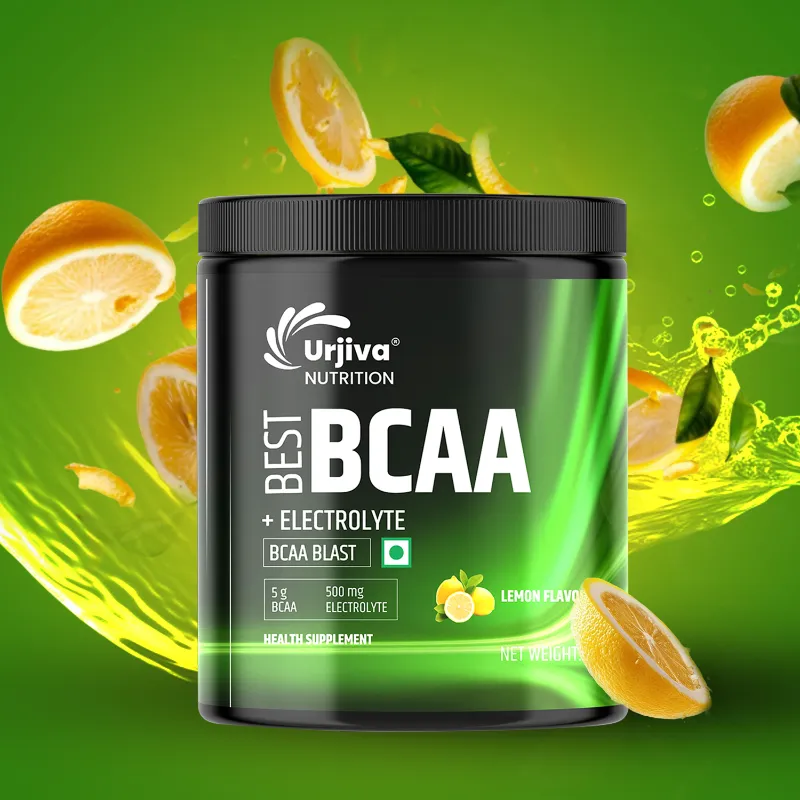
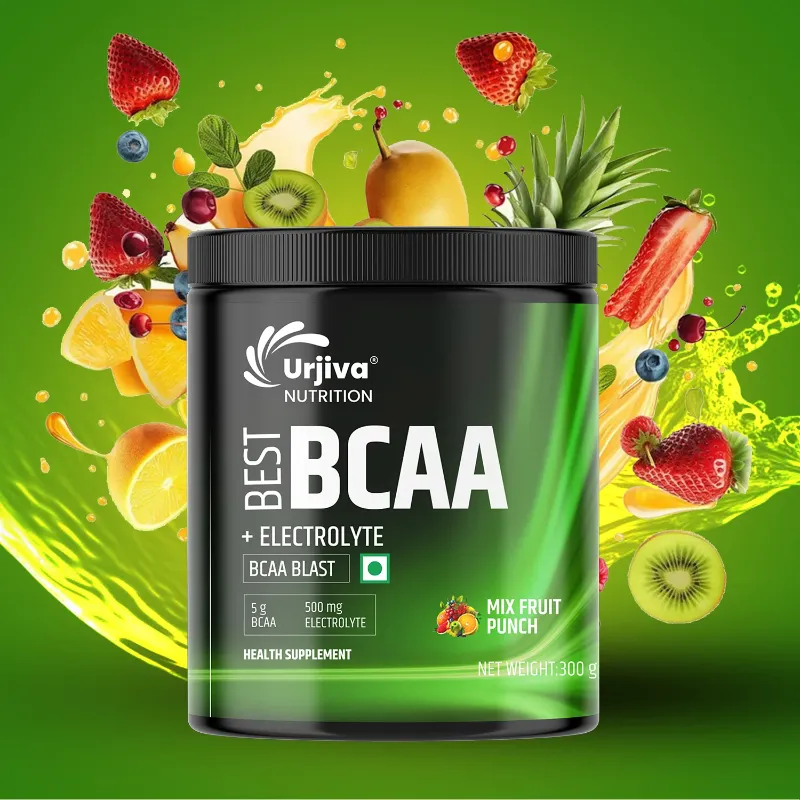
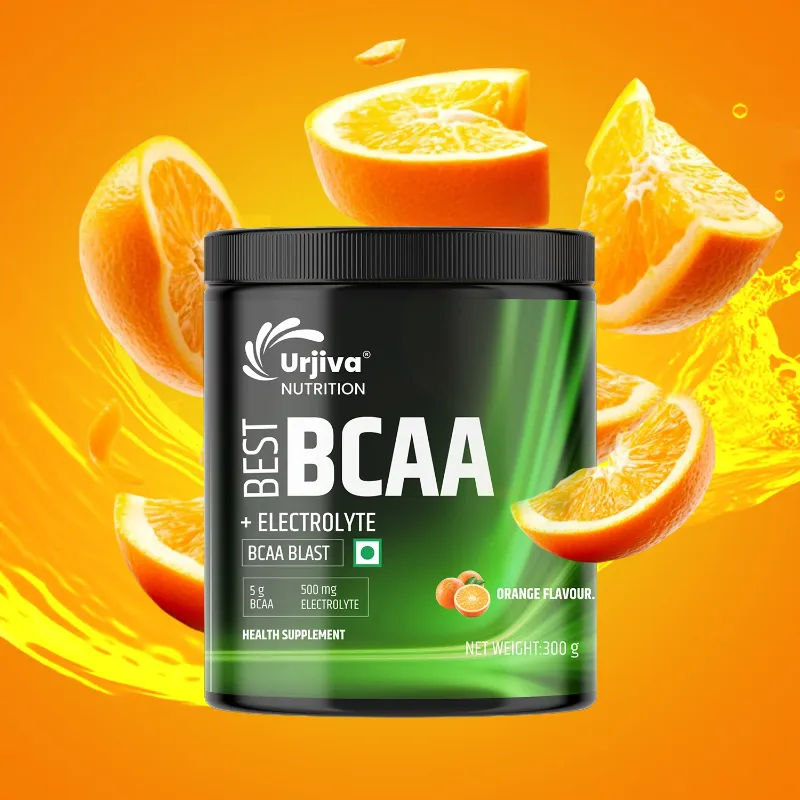


 +91 63528 07487

 225, Orchid Plaza, Sama-Savli Rd,
behind mc donald's, Vemali,
Vadodara, Gujarat, India 390008
225, Orchid Plaza, Sama-Savli Rd,
behind mc donald's, Vemali,
Vadodara, Gujarat, India 390008