

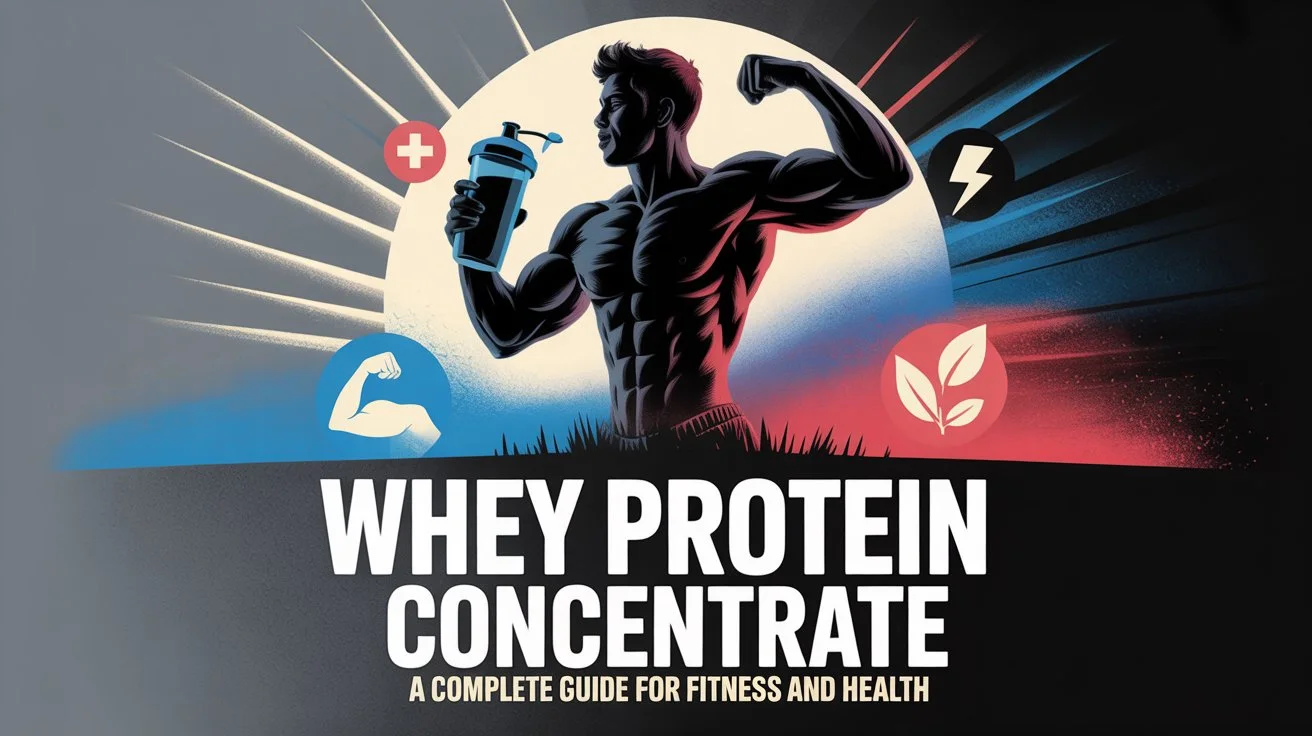
Whey protein concentrate is a nutrient-dense supplement created from milk that is high in essential amino acids for muscle recovery and health. Because it offers a balanced profile of protein, fat, and carbohydrates, it is an extremely common dietary supplement in fitness.
The main advantage whey protein concentrate offers for weight loss is its ability to promote satiety, thus enabling you to better control cravings, and achieve fat-burning goals when combined with exercise.
Whey protein concentrate for hair loss can also provide nutritional support in the form of amino acids that our bodies use to build protein, while returning hair to a healthy state by nourishing the scalp and strengthening hair from the inside out.
When you understand whey protein concentrate ingredients, you can be confident you are choosing a clean, high-quality product with as few additives as possible, giving your body the things it really needs to help you in recovering and living healthy.
Introduction to Whey Protein Concentrate
Whey Protein Concentrate is commonly used, and for good reasons! Whey protein is a by-product of milk during the process or making cheese, and is an effective protein supplement! Unlike isolates or hydrolysates, whey protein is not as highly filtered and maintains more of what is found in the natural whey form as a result, including some healthy fats and carbohydrates.
This form of protein contains nearly on average 70%−80% protein by weight and provides essential amino acids that support muscle growth recovery and general wellness. Whey protein is comprehensive in composition making it effective and ideal for beginners and advanced fitness enthusiasts alike.
Whey protein concentrate provides a reliable, nutrient-dense option whether you are trying to put on lean muscle, support metabolic function, or simply improve nutrition daily. Furthermore, whey protein is more affordable and tastes better than many other forms of protein, making it universally appealing to most forms of fitness.
What is Whey Protein Concentrate?
Whey protein concentrate is made from milk when cheese is made. It contains 70-80% protein, and a small amount of fats and carbohydrates.
- It is one of the most natural and least processed types of whey.
- Is the most natural form of whey cow-based proteins and still contains a lot of immunoglobulins, growth factors, and bioactive ingredients.
Whey protein concentrate retains more of the nutrition found in whole whey, so it is a slightly more blended option for everyday fitness and nutrition.
Benefits of Whey Protein Concentrate for Fitness

Creatively or Pragmatically, adding whey protein concentrate to your regimen can deliver a large number of benefits especially if you focus on strength, endurance, and recovery:
- Promotes lean tissue growth
- Promotes recovery after exercise
- Keeps you satisfied (appetite control) promotes fat loss (energy state)
- More affordable than other protein types.
If your goal is a calorie deficit by targeting whey protein concentrate for weight loss, it still provides a fat free, satiating protein source, and it allows you to preserve muscle mass.
Whey Protein Concentrate vs Other Protein Types
Whey Protein Concentrate for Weight Loss
Whey Protein Concentrate has more than just muscle-building benefits; it can also be important in effective weight loss strategies. Whey protein concentrate promotes fullness and allows for fat metabolism which is why this product is so popular with people looking to lose weight while maintaining lean muscle.
How Whey Protein Concentrate Supports Fat Burning
- Boost Metabolism: Whey protein concentrate increases thermogenesis when you consume whey protein concentrate by burning more calories during digestion.
- Preserve Lean Muscle: Preserving muscle mass is important when losing weight as muscle burns more calories when at rest.
- Promote Recovery: If your recovery is improved, you will be able to maintain a consistent exercise routine which means increased fat loss over time.
The benefits whey protein concentrate provides in terms of fat burning and preservation of lean tissue make whey protein concentrate a must-have food product when trying to lose weight.
Managing Appetite and Cravings with Whey Protein Concentrate
- Increases Satiety: Whey Protein Concentrate increases satiety, keeping you satisfied longer and reducing the likelihood of snacking in between meals.
- Decreases Ghrelin: It can decrease ghrelin (the hunger hormone), meaning decreased cravings.
- Stabilizes Blood Sugar: Whey Protein Concentrate avoids regression of energy levels ( the slump) that sometimes cause binge eating and/or sugar cravings.
When you manage appetite, whey protein concentrate for weight loss helps facilitate and makes working within calorie limits easy and sustainable.
Best Ways to Use Whey Protein Concentrate for Weight Loss
- Meal replacement shakes: using whey protein concentrate for smoothies can create low-calorie meals high in protein.
- Post-Workout shakes: Whey protein concentrate can help speed up metabolism and fat burning after workouts.
- Between-meal snacks: Whey protein concentrate can provide satiety between meals to avoid overeating.
Quick Tip: Combine whey protein concentrate with fiber-rich fruit and healthy fat sources to make balanced weight-loss meals.
Whey Protein Concentrate for Hair Growth
Hair is incredibly connected to nutrition (specifically protein)! Hair is composed mainly of keratin which is a protein; therefore, having enough quality protein in your diet is crucial. Whey protein concentrate provides the amino acids that support healthy hair growth and strength. Whey protein concentrate is more than a fitness supplement.
Role of Protein in Supporting Hair Health
- Building Block Role: Hair is mostly composed of keratin which is a protein composed of amino acids including cysteine (and others) - cysteine is found in whey protein concentrate.
- Promoting Role: Protein plays a role in the development of new hair follicles as well as maintaining the existing hair strands to keep them as healthy as possible
- Repair Role: Protein serves in helping to repair any damaged hair follicles and minimize any breakage in your locks.
If your diet is rich in whey protein concentrate, your body will have adequate raw materials to use to maintain strong healthy growing hair.
Can Whey Protein Concentrate Improve Hair Growth?

- When Deficiency is a Factor: If you have no protein, hair growth may slow through hair loss. Adding whey protein concentrate can ameliorate this.
- Increases Keratin Production: The complete amino acid profile helps with the creation of keratin - a building block for strong hair.
- Increases Healthier Scalp: Whey protein concentrate has B vitamins and antioxidants that may be beneficial for scalp health.
While everyone's body responds differently, daily whey protein concentrate use for hair growth should help with visible improvements over time.
Nutritional Connection Between Protein and Hair Strength
- Amino Acids = Stronger Hair: Leucine, cysteine, & lysine from whey are all important elements for hair strands structural integrity & elasticity.
- Decrease hair loss: More protein intake, improves hair follicle anchoring - helping decrease hair loss & thinning.
- Increases Absorption: Whey also improves the utilization of nutrients across the body, with a positive indirect effect on all hair strength.
Adding whey protein concentrate to the diet should be a simple way to helping hair health from the inside out.
Whey Protein Concentrate Ingredients
When you choose a supplement, it's essential that you know what you are consuming in your whey protein concentrate. This knowledge ranges from the foundational ingredients of the product to the potential added sweeteners and preservatives. When you know what to look for, you can choose a clean product that is most likely to be effective, and aligns with your health-related goals.
Common Ingredients in Whey Protein Concentrate Powders
The vast majority of whey protein concentrates should have the following ingredients:
- Whey protein concentrate (most predominant ingredient): a protein-rich derivative of milk, with a moderate amount of lactose and full composition of essential amino acids.
- Emulsifier (such as lecithin): allows the powder to mix in liquids easily.
- Digestive enzymes (optional): can assist with overall absorption and digestion;
- Natural or synthetic sweeteners: added to enhance taste, most commonly using stevia, sucralose, and/or monk fruit.
Tip: A good product will note whey protein concentrate as the first and/or primary ingredient without excessive extra ingredients.
Additives and Flavorings: What to Watch For
Some whey protein concentrate products may contain undesirable ingredients and additives, so remember to avoid these:
- Artificial sweeteners and/or colors(e.g., aspartame, acesulfame potassium): May upset some people's digestive system.
- Preservatives and fillers (like maltodextrin or gums): Usually, they are added to enhance the texture, but they add unnecessary carbs or calories.
- Heavy Metals: They are sometimes present in low-grade supplements (mainly non-certified imports).
If you're aiming to take whey protein concentrate for weight loss, please be wary of hidden sugars or fillers that could boost calorie or sugar content.
Clean Labels: Choosing the Best Whey Protein Concentrate
To realize a healthy and fit lifestyle, you should be taking whey protein concentrates that have:
- As few ingredients as possible that you recognize
- No artificial flavoring and coloring
- Grass-fed and/or organic if you can
- Third-party tested for quality and purity
- Transparent labeling that does not use "proprietary blends”
A cleaner label means you get more protein and fewer unwanted extras – which works for those pursuing a healthier lifestyle, hair growth goals, and/or weight loss objectives.
How to Use Whey Protein Concentrate Effectively
Taking whey protein concentrate the right way is more than just mixing a scoop with water. The timing, amount, and preparation method can all have a significant impact on effectiveness depending on your goal: weight loss, muscle gain, or overall health.
Best Time to Take Whey Protein Concentrate

Whey protein concentrate is a fast-digesting protein, so it's ideal for:
- Post-exercise (30 minutes): Complete recovery through repair of muscle tissue and muscle tissue growth.
- Morning: After an overnight fast to improve metabolism and make sure you don't lose muscle.
- Between meals or as a snack: This is especially crucial for weight loss as it can reduce cravings and avoid binge eating.
If your goal is to promote hair growth, taking the protein everyday, or at least, consistent timing doesn't matter, but long term support of protein in the body is a necessity.
Recommended Daily Dosage for Different Goals
Always factor in dietary protein sources so you don’t rely solely on supplements.
Whey Protein Recipes for Shakes and Smoothies
These are simple and healthy ideas on how to include whey protein concentrate in your daily routine:
1. Classic Chocolate Whey Smoothie
- 1 scoop chocolate whey protein concentrate
- 1 banana
- 1 tbsp peanut butter
- 250ml unsweetened almond milk
- Blend and enjoy post-workout
2. Berry Breakfast Shake
- 1 scoop vanilla whey
- ½ cup mixed frozen berries
- 1 tbsp flax seeds
- 200ml Greek yogurt
- Blend and enjoy for a morning protein boost
3. Green Detox Shake
- 1 scoop unflavoured whey protein concentrate
- 1 cup spinach
- ½ cucumber
- 1 apple
- 300ml cold water
- Blend and enjoy - this will be a light nutritious snack
Including these shakes into your routines will help you achieve your fitness goals, assist with satiety when weight-loss is a goal, and obtain enough nourishment for things like hair growth too
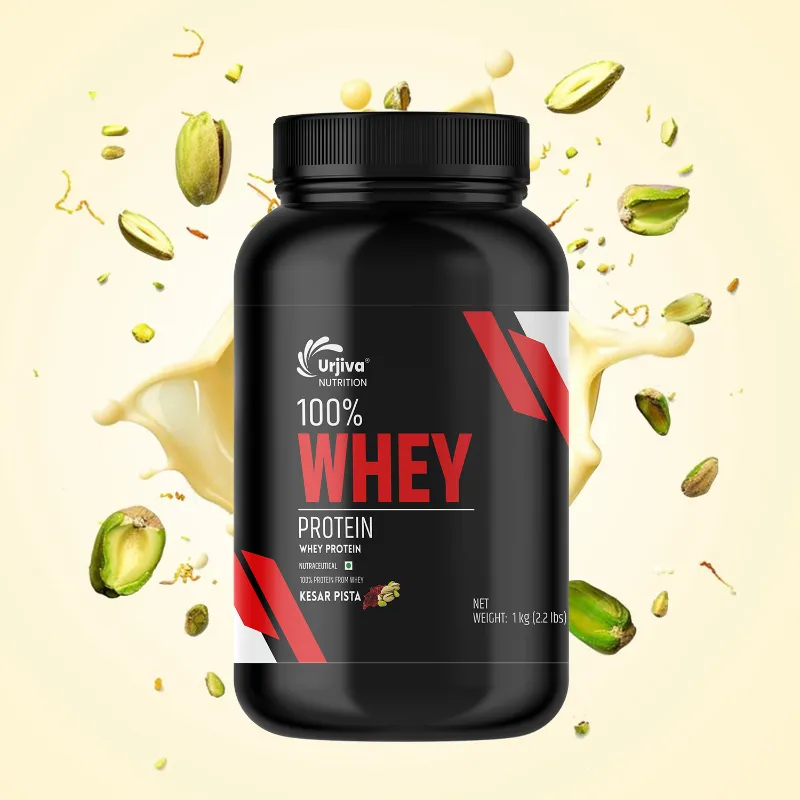
100% Whey Protein (Kesar Pista Flavour) -1Kg
Product Description:Experience royalty in every scoop with Urjiva Nutrition 100% Whey Protein – Kesa...
₹3,400.00
Buy Now
FAQs
Q1. Is whey protein concentrate good for weight loss?
Yes, whey protein concentrate can support weight loss by promoting satiety, managing cravings, and preserving lean muscle during a calorie deficit.
Q2. Can whey protein concentrate improve hair growth?
It may help. Since hair is made of protein, consistent intake of quality protein like whey can support stronger, healthier hair over time.
Q3. What are the key ingredients in whey protein concentrate?
The primary ingredient is concentrated whey protein. Most powders also include natural or artificial flavors, sweeteners, and sometimes digestive enzymes or stabilizers.
Q4. How much whey protein concentrate should I take per day?
Most people benefit from 1–2 scoops per day (20–40g), depending on their dietary protein intake, activity level, and fitness goals.
Q5. Can I use whey protein concentrate daily for long-term benefits?
Yes, daily use is generally safe and effective when part of a balanced diet. It can support long-term muscle health, weight management, and overall wellness.
Conclusion: Why Whey Protein Concentrate is a Smart Addition to Your Diet
Whey Protein Concentrate is not simply another supplement; it is an incredibly versatile and nutrient-dense option to include in your wellness portfolio. Whether you want to gain muscle, maintain a caloric deficit for weight loss, improve recovery, … even good hair health, whey protein concentrate provides a balanced source of essential amino acids, moderate fat and carbohydrate levels, and bioactive nutrients that promote overall health.
The affordability, digestibility, and proven effectiveness of whey protein concentrate makes it one of the best options for someone just starting on their fitness journey, as well as someone who is already an experienced fitness advocate. With the right amount of dosage, appropriate ingredients, and consistent usage, the goal of simply obtaining enough protein in a day without processing a ton of food can be achieved. You and I will both love whey protein concentrate as a health promoting function of our bodies.


 +91 63528 07487

 225, Orchid Plaza, Sama-Savli Rd,
behind mc donald's, Vemali,
Vadodara, Gujarat, India 390008
225, Orchid Plaza, Sama-Savli Rd,
behind mc donald's, Vemali,
Vadodara, Gujarat, India 390008