

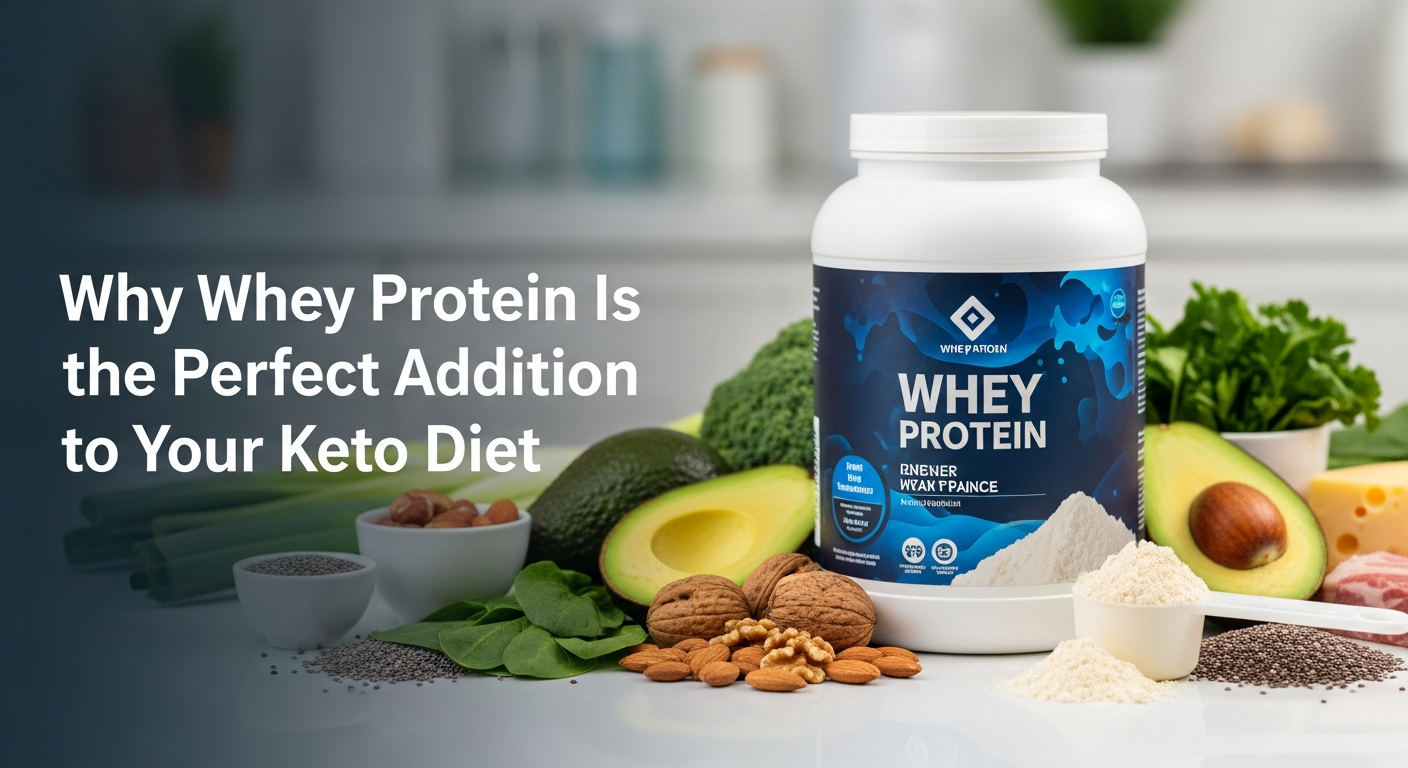
Whey protein is an excellent food source for those who want to experience the best in health and wellness. This is due in part to its ease of use and the fact that it is very quickly digested. Whey protein has more protein per ounce than any other type of milk product, and therefore can provide you with all of the protein that you need in your diet without adding carbohydrates to your daily intake. Whey protein contains all of the essential amino acids that our bodies must have in order to function properly and stay healthy.
Many people are concerned about their daily protein intake. The good news about whey protein is that it can help keep you on track with your daily protein intake while reducing your daily carbohydrate intake at the same time. You can use whey protein to suppress feelings of hunger and increase feelings of fullness, which makes it much easier to stay with a ketogenic diet program. Whey protein makes life easier!
Whey protein is also perfect for use after working out or on a busy ketogenic day when there may be limited access to whole food. Whey protein will provide your body with clean nutrition, so you won't feel heavy or bloated after eating it.
Whey protein provides versatility, convenience, and a healthy, clean food component to a ketogenic diet. This makes it a great addition to any ketone based eating plan.
Understanding the Keto Diet and Its Protein Needs
Keto is a dietary plan that provides a low amount of carbohydrates and high amounts of fats and is designed to help you get into the state of ketosis. Ketosis refers to a metabolic state where fat becomes the primary source of fuel for your body instead of carbohydrates. In addition to fat, protein provides a supporting role in maintaining muscle mass and overall health, as well as providing some energy for workouts. Therefore, selecting an appropriate protein source (i.e., whey protein) allows you to satisfy your protein requirements without exceeding your carbohydrate intake on a daily basis.
The amount of protein you consume while on a ketogenic diet needs to be closely monitored. If there is not enough protein consumed, you will experience muscle loss and fatigue, and if there is too much protein consumed, your body will be prevented from entering and remaining in a state of ketosis. As a result, the use of whey protein powder is especially advantageous in providing an ample source of high-quality protein that can be consumed conveniently and is compatible with your keto macros.
Keto Diet Basics and Macronutrient Balance
The keto diet focuses on a specific macronutrient ratio to keep the body in ketosis. Typically, this balance looks like:

Importance of Protein Intake on a Keto Diet
Protein is needed for more than just gaining muscle mass when following a ketogenic diet; It has many benefits as well.
When you consume enough protein on a keto diet, it can help to:
- Preserve Lean Muscle When Losing Body Fat
- Help With Satiety (Feeling Full) And Reduce Cravings Associated With the Ketogenic Diet
- Support The Production of Hormones, Including Insulin, And The Immune System
- Aid in Recovery From Workouts Or Other Forms Of Physical Activity
Whey protein powder has some advantages over other types of protein powders when adhering to a ketogenic diet. Whey protein powder is easy to digest, absorbed quickly, making it great for times when you're busy during the day or need post-workout nutrition and whole-food protein options are not practical. Another benefit of using whey protein powder is having the ability to measure portions accurately, helping to keep your protein and carbohydrate consumption within the limits you have set for yourself.
How Protein Supports Ketosis and Muscle Health
A major question people often have when starting the ketogenic diet is, "Will eating protein take me out of ketosis?" The truth is, if consumed in a proper amount, whey protein will actually help with maintaining ketosis, instead of hindering it. It supplies your body with the amino acids necessary for muscle recovery, while fats are still being used to fuel your body.
In general, there are four key advantages of using whey protein for the Keto diet:
- It helps promote muscle strength, which helps with preventing muscle breakdown.
- Promoting a more efficient metabolism.
- Assisting with maintaining your energy levels while on a low-carb diet.
- Promoting quicker recovery from exercise, and reducing post workout soreness.
When used correctly, whey protein powder is a valuable source of nutrition that helps in maintaining ketotic state, protecting muscle health, and supporting a long-term successful keto lifestyle.
What Is Whey Protein and How Does It Fit into a Keto Lifestyle?
Whey protein offers some of the most beneficial and widely-used protein supplements available today, especially amongst those who are implementing a low-carbohydrate and high-fat style of eating. For anyone following a ketogenic diet, it is essential to know how whey can help individuals stay within a state of ketosis while meeting their daily protein requirements. If you choose your whey protein wisely, you can include it within your ketogenic diet as a clean and rapid form of nutrition with a zero carbohydrate content.
A source of protein, while on a ketogenic diet, must be low in sugars and carbohydrates; therefore, quality whey protein offers a convenient option to help support muscle development, energy, and feeling satisfied without negatively impacting any aspect of your ketogenic goals.
What Is Whey Protein Explained Simply
Whey protein is obtained naturally from the liquid whey produced during cheese production from dairy milk. The whey protein is formed by the separation of milk (and other dairy) from the curds during the cheese-making process and contains all nine amino acids required by humans for life; therefore it is referred to as a complete protein.

The most common varieties of whey protein available in powdered forms are whey protein concentrate, isolate, and hydrolysate; many people on the "keto" diet choose to use whey protein isolate because they do not contain large amounts of carbohydrates or lactose.
Why Whey Protein Is Keto-Friendly
The high-fat ketogenic diet requires individuals to maintain a very low carbohydrate intake (under 20-50 grams of carbs daily). Therefore, it is very important to choose the right type of protein to include in the ketogenic diet; whey protein that is used in the ketogenic diet is referred to as 'keto-friendly' because of the low levels of carbohydrates, sugar, and fillers in the product.
Here are some examples of why whey protein works well with the ketogenic diet.
- Low Carbohydrate Content Helps Maintain a State of Ketosis.
- Maximum Protein Density (to Help with Lean Muscle Growth).
- Suppresses Appetite and Reduces Snacking Due to Hunger Control.
- Allows for Easy Macro Tracking versus Whole Foods.

Low-Carb and Fast-Absorbing Benefits of Whey
Whey protein has one major advantage of being quickly absorbed and providing your muscles with the necessary amino acids almost immediately after being ingested, making it the best option for recovery after an intense workout. Whey protein also makes an excellent meal replacement when you are busy on the go or unable to eat normally during the day.
The Benefits of Low-Carb Whey Protein Powder:
- Rapid digestion and delivery of nutrients.
- Preserves muscle mass when losing fat.
- Increases metabolism and energy levels.
- Prevents muscle breakdown while in Ketosis.
Keto dieters have very limited access to traditional proteins that will allow them to maintain ketosis. Whey protein gives keto dieters a practical way to consume enough protein to stay in ketosis, while also supplying healthy fat and supporting healthy muscle recovery during a time when they cannot consume these forms of protein.
The Benefits of Using Whey Protein for Keto Success
Whey protein is a great addition to your keto journey, so you can stay in ketosis while meeting all of your health and nutritional needs. The right whey protein powder will help you balance your macronutrient ratios and make it easier to lose fat and keep your ketogenic lifestyle healthy and successful.
When you are following a low-carbohydrate diet, your body depends primarily on fat for energy production, but protein plays an important role in the repair of muscles, maintenance of metabolic health and maintenance of satiety. This is where whey protein fits perfectly into your ketogenic lifestyle by supplying you with clean, high-quality protein that helps you meet all of your nutritional and health needs.
Muscle Maintenance on Low-Carb Diets
On the ketogenic diet, one of the major obstacles is maintaining muscle mass during weight reduction. The diminishing quantity of carbohydrates in the body might create a possible breakdown of muscle, provided protein intake is not montaged to supply adequate amounts. Whey protein for a ketogenic diet contains all the necessary amino acids, including branched chain amino acids (BCAAs), which are essential for maintaining muscle.
Benefits of a ketogenic diet for muscle include:
- Protecting muscle from loss when in calorie deficit.
- Increasing strength and endurance.
- Repairing the muscle tissue used during exercise.
- Ensuring lean muscle mass remains part of your total body mass.

Appetite Control and Reduced Cravings
Hunger and cravings are two significant obstacles for many new dieters on the ketogenic diet. Protein is known to promote feelings of fullness, and whey protein has a particularly fast digestion rate and also helps regulate hormones.
How Using Whey Protein for a Ketogenic Diet Helps with Appetite Control
- Increases fullness
- Prevents sugar and carbs cravings
- Maintains stable blood glucose levels
- Increases energy levels throughout the day
By using a scoop of whey protein powder in protein shakes and any other keto-approved recipes you may prepare at home, you can keep from snacking when unnecessary and remain on track with your ketogenic diet plan.
Energy and Recovery Support While in Ketosis
Energy and recovery rates will greatly fluctuate as the body adjusts to using fat as its primary source of energy when following a ketogenic diet (keto). The protein found in whey helps your muscles recover faster from strenuous activity and helps improve athletic performance by providing your muscles with instantaneously usable amino acids.
Some of the most beneficial aspects of using whey protein for energy and recovery when on the keto diet include:
- An increase in the rate of recovery after a workout.
- Decreased muscle pain after exercise.
- Improved metabolic efficiency.
- Improved energy systems through fat metabolism.
Whey protein provides muscle stimulation when combined with healthy fats, allowing you to continue to perform at your best with little to no carbohydrates available to fuel your body. Therefore, whey protein is an excellent resource for sustaining your body while following a ketogenic diet.
How to Choose the Best Whey Protein for a Ketogenic Diet
If you're following a ketogenic diet and need to include the healthiest source of whey protein available in order to maintain ketosis throughout the day, it's important to select a whey protein that is high-quality and that fits within your overall macronutrient goals. Unfortunately, not every whey protein is suitable for someone who adheres to a strict low-carb diet—some contain "hidden" sugars, a high carbohydrate count, or contain unwanted fillers or binders.
Therefore, when selecting a whey protein supplement, you'll want to first consider its carbohydrate content, then evaluate its ingredient quality, and finally ask yourself how it fits into your overall keto macronutrient range.
Whey Isolate vs Concentrate for Keto
Understanding the difference between whey isolate and whey concentrate helps you make a smarter keto choice.

Choosing Low-Carb, Sugar-Free Whey Protein Powder
A keto-friendly whey protein powder must consist of clean, simple, and clearly stated ingredients in their nutrition information label. The presence of even trace amounts of sweeteners could be enough to throw you out of ketosis.
Things to search for when selecting:
- A net carbohydrate count that falls within the 2-3g range per serving.
- No additional sugars or sweeteners, including maltodextrin.
- Naturally flavored or unsweetened choices.
- Sweeteners used such as stevia or monk fruit (both are keto-friendly).
You should avoid any flavored protein powders that state any high-fructose ingredients such as corn syrup solids, dextrose, or artificial sweeteners because these will lead to excessive insulin production and hamper progress while following a ketogenic lifestyle.
Clean Labels, Grass-Fed, and Keto-Approved Option
Quality is just as important as carb counts when selecting a keto whey protein. When you choose to use clean-label products for whey protein there are greater benefits associated with digestive and nutrient absorption, as well as long-term health.
What defines a high-quality keto whey? Quality keto whey will have all of the following:
- The source of whey protein is from a grass fed cow
- Very few ingredients; no fillers
- No artificial colours or preservatives
- The whey protein has been analysed for purity and quality.
Because grass-fed whey protein is easier for your body to digest, it will typically have more nutrients present that are helpful to you. Therefore, if you find a grass-fed whey protein that also has a clean ingredient label, you will have a great protein option for those new to keto and even experienced keto dieters.
Tasty Ways to Incorporate Whey Protein into Your Keto Meal Plan
You can make sure adding whey protein to your keto meal plan is both satisfying and enjoyable, rather than a chore or an unexciting experience. The flexibility of whey protein allows it to be added to countless recipes — from smoothies and other beverages, to snack foods and even cooked meals — while maintaining the same flavour and texture. With the right combination of ingredients, your keto meal plan can include a variety of tasty and nutrient dense meals created with whey protein powder.
In addition to being a quick source of fuel and post-exercise recovery, whey protein is a convenient way to indulge in delicious, low-carbohydrate snack choices while continuing to adhere to a keto lifestyle.
Keto Shakes and Smoothies with Whey Protein
For those who follow the ketogenic diet, keto shakes are the best option to incorporate whey protein into their diet, as they are quick to make, easily customizable, and can be used for breakfast or after workouts when you don’t have much time to eat.

High-Protein Keto Snacks Using Whey Protein Powder
For many people trying to eat a low-carb diet (also known as the "Keto" Diet), finding good sweet or crunchy snacks can be difficult. With the use of whey protein powder, creating tasty and satisfying low-carb snacks for your ketogenic lifestyle has never been easier.
Some examples of popular keto-friendly snack foods include:
- Protein fat bombs
- No bake whey protein bars
- Keto-specific protein cookies
- Whey protein energy bites
There are several benefits of making these types of snacks with whey protein on a ketogenic diet.
- Higher levels of satisfaction with snack foods
- Decreased sugar cravings
- Long lasting energy from food products.
These snacks are perfect to take along on a trip, have available during lunch breaks, or eat whenever you feel hungry between meals.
Using Whey Protein in Keto Baking and Meals
Whey protein isn't just for smoothies and snacks; it can also be used in everyday keto cooking and baking/etc. Whey protein provides additional protein without additional carbohydrates found in flours.
Examples of how to include whey protein powder in cooking:
- Mix with almond flour to create pancakes
- Use in recipes for keto muffins/breads
- Stir into soups or sauces to increase protein content
- Incorporate into keto desserts (brownies and cheesecakes)

Common Mistakes to Avoid When Using Whey Protein on Keto
When used correctly, whey protein has numerous benefits for the ketogenic diet, such as promoting muscle health, keeping you satiated, and helping you maintain consistency throughout your diet. However, many individuals following a ketogenic lifestyle make simple mistakes that may prevent them from losing fat or even putting them back into a non-ketogenic state. If you understand these simple mistakes, you will gain a better understanding of whey protein and how to use it for optimal results when following a ketogenic lifestyle.
When introducing whey protein powder into your daily routine, make sure you are aware of the nutritional information, serving size, and quality of the ingredients of each product.
Hidden Carbs and Sugars in Whey Protein Powder
One of the most common mistakes people make is choosing a whey protein powder with hidden carbohydrates and added sugars. Most of the flavored whey protein powder will have ingredients that can cause an increase in Blood Glucose Levels.
Things to Look For:
- Added Sugars: Sucrose, Dextrose, Corn Syrup Solids.
- Fillers: Maltodextrin, Starches.
- High Net Carbohydrate Count per serving.

Overconsumption and Protein Intake Imbalance
Overconsuming protein can be counterproductive when following a keto diet. Consuming too many grams of protein (especially from whey protein) causes the body to create glucose (via a process called gluconeogenesis).
Symptoms of too much protein:
- Difficulty achieving and maintaining a state of ketosis
- Increased feelings of hunger/fatigue
- Slower rate of fat loss
Recommendations for avoiding excess protein consumption (while pursuing a ketogenic diet):
- Follow recommended servings of protein powder.
- Use whey protein powder in conjunction with fat-based foods (>20g protein/20g fat).
- Maintain consistency in tracking daily protein macro targets.
To maximize the keto benefits of whey protein, it is best to use it in conjunction with fat-based foods and not replace them entirely.
Artificial Sweeteners That May Affect Ketosis
Ketosis is affected by some artificial sweeteners used in whey protein powder, and because they could affect digestion, therefore not all artificial sweeteners are keto approved.

Sucralose and aspartame also stimulate cravings that cause you to overconsume. Rather than have them in your diet, keto approved naturally sweetened whey protein made with natural sugars like stevia or monk fruit will help maintain ketosis and provide long term success with ketogenic nutrition.
FAQs
Q1. Is whey protein for keto allowed?
Yes, whey protein for keto is allowed when it is low in carbs and sugar, especially whey isolate or keto-labeled options.
Q2. Can whey protein kick you out of ketosis?
Whey protein will not kick you out of ketosis if consumed in moderation and chosen without added sugars or high carbs.
Q3. Which whey protein powder is best for keto?
Whey isolate is the best whey protein powder for keto because it contains high protein with minimal carbs and lactose.
Q4. How much whey protein should I take on keto?
Most people do well with 1 scoop (20–30g protein) per serving, adjusted to fit daily protein and fat macros.
Q5. Is flavored whey protein okay on keto?
Flavored whey protein is fine if it’s sugar-free and sweetened with keto-friendly options like stevia or monk fruit.
Conclusion: Supercharge Your Ketogenic Journey with the Right Whey Protein Supplement
There’s no denying the importance of selecting quality low carb whey protein powder when adhering to a ketogenic diet. With lowered carbohydrate intake, it becomes necessary for the body to have access to high-quality sources of clean protein that provides adequate muscle sparing benefits, improves recovery time between workouts, and helps maintain stable energy levels throughout the day. Using a properly formulated whey protein powder will ensure all of these requirements are met while also allowing your body to remain in ketosis, thus making it an excellent choice for both new and long-term followers of the ketogenic diet.
Whey protein powders can be used as an easy way to add healthy protein to any type of meal you prepare, whether it’s a quick shake after your workout, a snack between meals, or added into baked goods. Whey protein allows you to create delicious healthy snacks while controlling cravings and hunger between meals. Because whey protein absorbs quickly and is complete in the amino acid profile, this type of protein supplement is perfect for athletes and anyone wanting to lose weight.
Successful following of a ketogenic lifestyle is based on the combination of thoughtful decision making and consistency. Choosing the right type of whey protein powder will help to keep your body in the most efficient manner, as well as allow you to see more consistent progress over a longer period of time, thus making your journey toward a healthier lifestyle enjoyable, energizing, and rewarding.




 +91 63528 07487

 225, Orchid Plaza, Sama-Savli Rd,
behind mc donald's, Vemali,
Vadodara, Gujarat, India 390008
225, Orchid Plaza, Sama-Savli Rd,
behind mc donald's, Vemali,
Vadodara, Gujarat, India 390008